
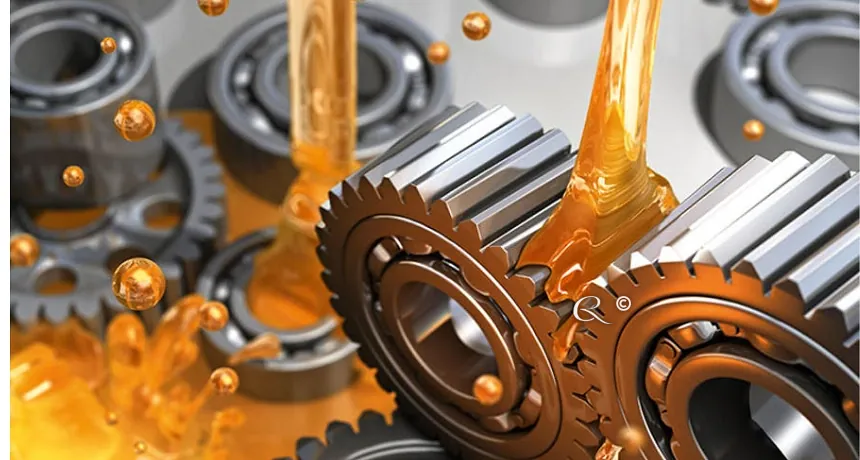
Oil Varnish Removal and Testing
Electrostatic cleaning for suitable turbine, hydraulic, lube and gear oils, removing insoluble matter that can form varnish. Your quotation says if a test goes with it.
The problem
What Oil Varnish Is, and How It Shows Up
Oil ages in service. Heat and air oxidise it, and some of what forms stays in the oil as soft, very fine matter or dissolved in it. When the oil cools or slows down, that matter comes out and settles on metal as a thin, gummy brown layer. That layer is varnish.
In the plant it shows up as control or servo valves that turn slow or stick, filters that block sooner than they used to, brown staining inside tanks and coolers, and bearings that run warmer. Every one of these can have a mechanical or electrical cause as well, so the oil is tested before anybody settles on varnish.
A particle count does not settle it. A particle count measures detectable particles, not what they are made of or the dissolved matter that can later form varnish, so it cannot rule out varnish.
Varnish Tests, and What Each One Tells You
No one figure proves a varnish problem, so a varnish result is read with the other results and with what the machine is doing. Your quotation lists the tests your oil gets and says where each is done. If your own laboratory already has a result, send it to us.
| Test | What it shows | How to read it |
|---|---|---|
| Varnish potential (MPC, membrane patch colorimetry) | A measured sample is drawn through a fine membrane, and the colour of what stays on the membrane is reported as a ΔE figure. | The laboratory confirms whether the method and its reading suit that oil, especially dyed or heavily additised oils. Read by the bands on that report and the trend, with the same method and sample conditioning each time. Matter still dissolved in the oil may not be caught. |
| Water | How wet the oil is. | Wet oil has to be dried before an electrostatic cleaner can do its work. |
| Particle count | Detectable particles in the oil, not what they are made of. Water droplets and air bubbles can interfere. | A clean count cannot rule out varnish, because dissolved matter that can later form it does not show; a poor one shows other cleaning may be needed as well. |
| Acid number and viscosity | How far the oil itself has aged. | Set against the oil supplier’s limits, they help decide between cleaning the oil and changing it. They do not show how much antioxidant is left. |
How Varnish Is Taken Out of the Oil
Which of these steps your oil gets depends on its condition; the quotation names them.
Start From the Evidence
We look at your oil reports and at what the machine is doing. Where there is no varnish result yet, a test can be part of the quotation.
Deal With Water First
An electrostatic cleaner needs oil that is nearly dry and does not take water out itself. A centrifuge separates water droplets, while dissolved water may need vacuum dehydration (LVDH). The result is checked before electrostatic treatment.
Electrostatic Cleaning
Oil is drawn from the tank, passes between charged electrode plates in the machine and returns to the tank, so the system usually need not be drained. The electric field collects susceptible insoluble matter on filter paper. Any fall in dissolved matter and existing deposits is indirect and depends on conditions, so removing everything that can form varnish cannot be promised.
Change the Paper as It Fills
Collected matter builds up on the filter paper, which is changed according to the machine’s condition and instructions. Your quotation counts the paper as a consumable.
Test Again
Where the quotation includes it, a second sample goes through the same test as the first, so the two results can be compared.
Decide What Comes Next
We go through the results with your team: stop here, keep cleaning at intervals, or speak to your oil supplier about a change of oil.
What Cleaning the Oil Cannot Do
It helps to know these before the job. We give no promised figure before the oil has been tested.
- Deposits already on the metal. Cleaning works on the oil. A layer already baked onto a valve or a pipe wall comes back into the oil slowly, if it comes back at all, and a badly affected valve may need cleaning by the maker’s procedure.
- Used-up additives. Taking out oxidation products does not replace antioxidant that the oil has consumed. Once the results say the oil itself is finished, it needs changing, not cleaning.
- The cause. Hot running, air in the oil and long service keep oxidising it, so varnish can form again. A trend of samples shows whether it is coming back.
- Water and coarse dirt. These are for a centrifuge, vacuum dehydration or filter elements, ahead of the electrostatic stage.
A Single Job, or a Yearly Contract
A single job. Where the oil and system are suitable, the quotation sets out the on-site cleaning arrangement and who carries it out.
A yearly contract with our machine. We agree a volume of oil with you, you give our machine a place to stand and our team room to work, and they come on the agreed dates.
A yearly contract for your machine. If you already own an electrostatic oil cleaner, we can maintain it, whatever its make, and we can quote for its filter paper.
Where It Is Used
Whether the cleaner suits an oil depends on the fluid’s chemistry, conductivity and viscosity, and on the operating conditions:
- Turbines: steam and gas turbine lube oil, and the control and servo valves it feeds.
- Hydraulic systems: servo and proportional valves that are slow to respond or stick.
- Lube oil systems: circulating lube oil of bearings and compressors that runs hot.
- Gear oils: suitable gearbox oils, after checking compatibility with the proposed electrostatic cleaner.
What Your Site Provides
On a job at your plant, these come from your side; the quotation confirms them.
- Work permits, gate passes and access to the tank.
- Isolation and lock-out wherever a line or tank connection is opened.
- Electric power at the place where the machine stands.
- A place for the machine close to the tank, and working space for the people on the job.
- Disposal of used filter paper and any waste oil through your plant’s waste route.
Questions Buyers Ask
Does a clean particle count mean there is no varnish?
No. A particle count measures detectable particles, not what they are made of or the dissolved matter that can later form varnish, so it cannot rule varnish out. Varnish needs tests of its own.
Do we have to drain the system?
Usually not for suitable offline electrostatic treatment. The oil leaves the tank, goes through the machine and comes back, so it stays in your system. Your quotation states the connections and the conditions for your machine.
Will cleaning the oil free a sticking valve?
Not always. It removes insoluble varnish-forming matter from the oil, but deposits on the valve leave slowly, and a valve can also stick for mechanical or electrical reasons. Some valves still need cleaning by the maker’s procedure.
Who runs the varnish test?
It is a laboratory test. Your quotation says where it is done. If your own laboratory has already tested the oil, send us that report and we will read it with you.
Should I clean this oil or change it?
Clean it while the oil still holds its grade and what troubles you is the matter it carries. Change it when its tests, set against the oil supplier’s limits, show that the oil itself is worn out.
What should I send for a quote?
The oil and its grade, how much the tank holds, the machine it serves, what you are seeing, and your latest oil report, with any varnish result. Approximate is fine.
How long does a job take, and how is it priced?
It depends on how much oil there is, what it carries and the tests it needs, so we quote for each enquiry.
Related Services and Products
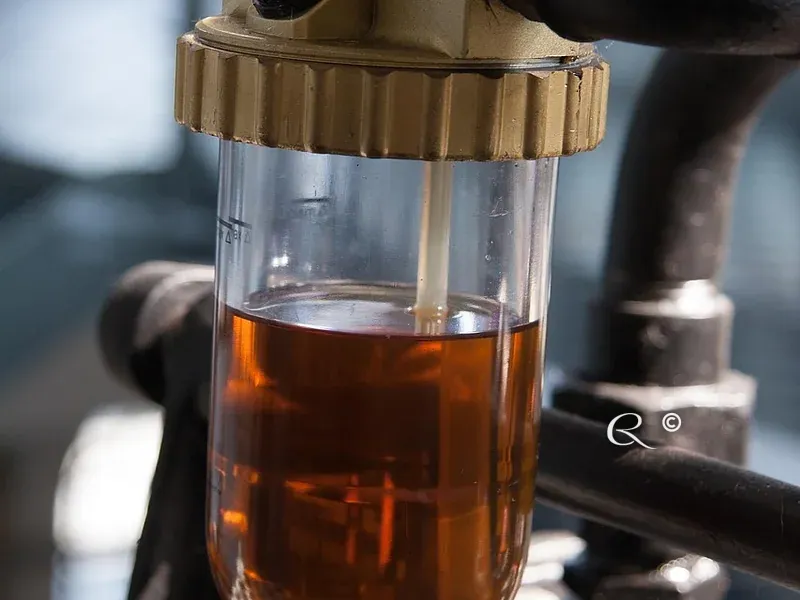
Electrostatic Oil Cleaner AMC
A yearly contract for the electrostatic oil cleaner you own, or regular cleaning of your oil with ours.
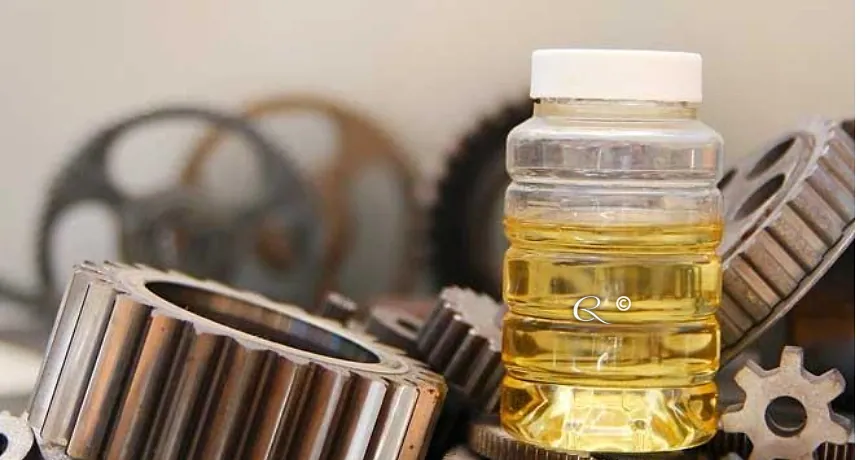
Oil Analysis
Oil sampling and testing for condition, contamination and wear, with the results explained.
Turbine Oil Filtration
Turbine lube oil cleaned of water, sediment and early varnish, with a case study from a thermal power plant.
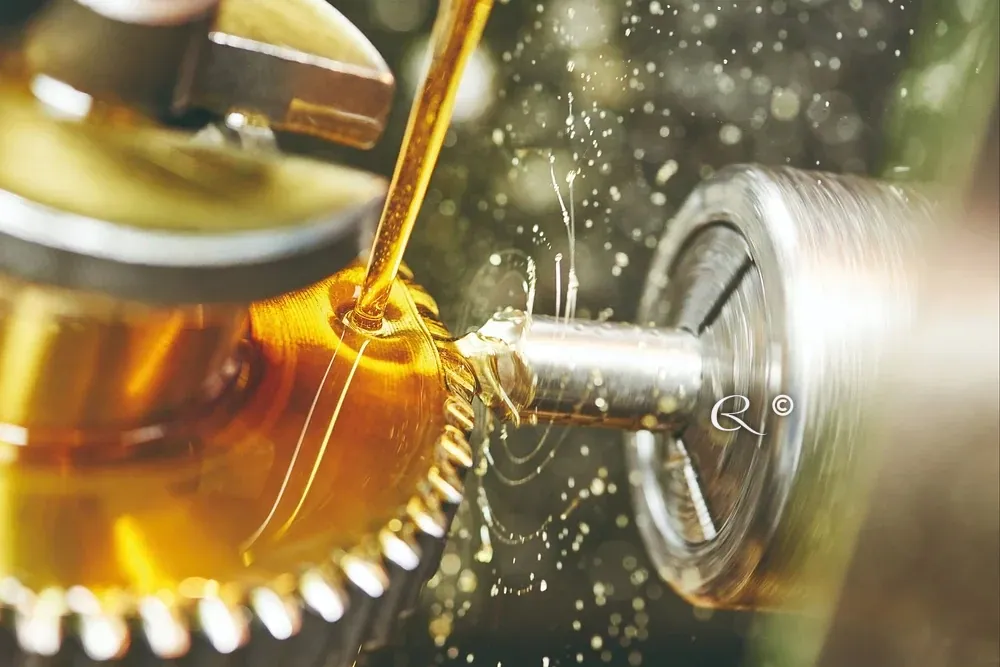
Hydraulic Oil Filtration
Filtered to the NAS or ISO class your pumps and valves need, and checked with our particle counter.
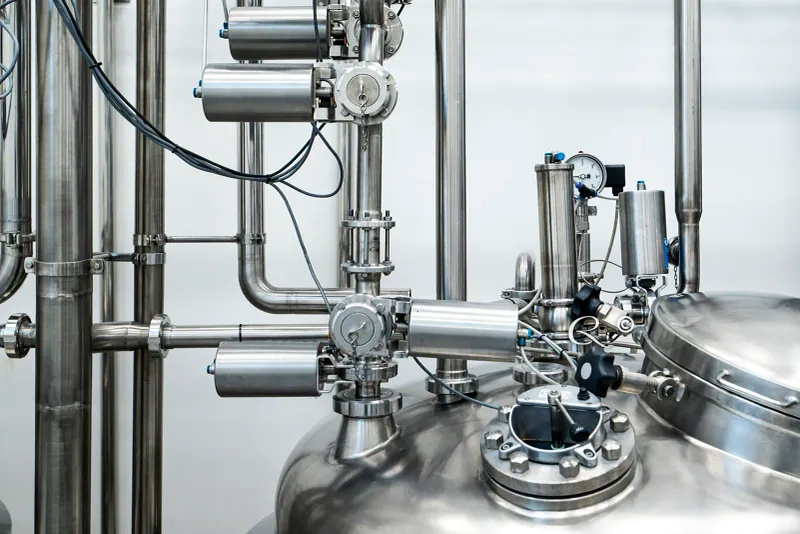
Oil Management & Purification
Centrifuge, vacuum dehydration or electrostatic cleaning, chosen from what your oil test shows.

Electrostatic Filter Paper
Paper for the machine you own, matched to its model and paper size.
Ask About Oil Varnish
Tell us about the job. “Not sure” is a fine answer; we will ask follow-up questions.
Request received. Your reference is {ref}. We reply during office hours, Monday to Saturday, 9.00 am to 5.30 pm. For a breakdown or a plant shutdown, call +91 99400 49505 at any time. Nothing is booked or ordered until we confirm scope, availability and terms in writing.Prefer to talk? Call +91 99400 49505 or WhatsApp us.

Find Out Whether It Is Varnish
We can look at your oil reports and the machine’s symptoms with your maintenance team, and suggest which tests and inspections would help assess it.
Request an Assessment
Get Expert Advice on Your Oil Report
Call or WhatsApp an engineer, or send your latest report. We reply with what we would do next, or tell you if the trouble looks like something other than varnish.
WhatsApp +91 99400 49505