
Filter Cleaning
Cleanable filter elements, strainers, baskets and housings cleaned and inspected, so you know which can go back into service. On site, across India, from Chennai. Elements can also come to our workshop.
The problem
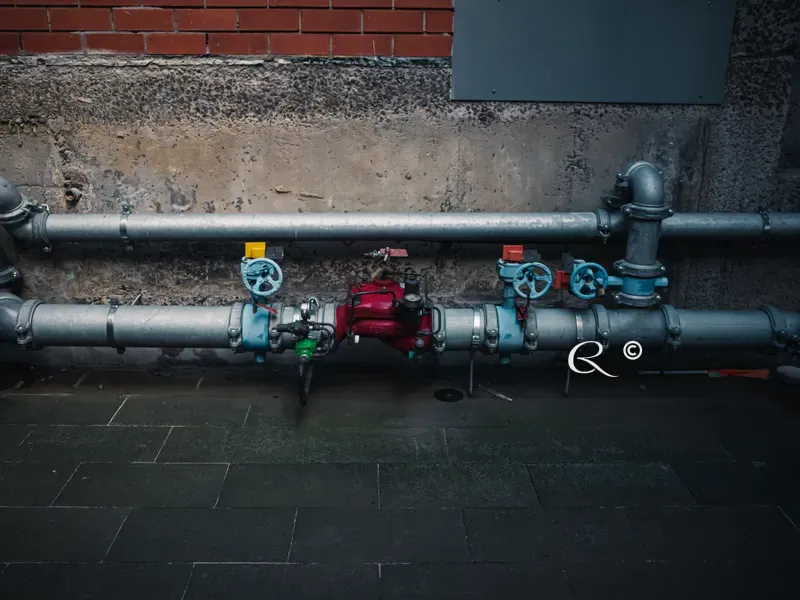
When a Filter or Strainer Is Blocked
A filter works by holding dirt, so it loads up in service. The more it holds, the more pressure it takes to get oil, fuel or air through it. Many oil filter housings carry an indicator that shows when the pressure difference across the element gets too high, and in many of them a bypass valve then opens so the oil keeps moving, past the element and unfiltered.
In the plant it shows up as an indicator that keeps signalling a blocked filter, a pump that turns noisy because its suction strainer is blocked, a burner or generator that falters when its fuel strainer chokes, a compressor that delivers less air through a dirty intake filter, or elements that need changing more often than they used to.
Which Filters Can Be Cleaned, and Which Are Replaced
Elements of woven wire mesh or wire cloth, and the screens of strainers and baskets, are generally made to be cleaned and used again, as long as the mesh, its seams and its end caps or frame are undamaged.
Paper (cellulose) and glass-fibre elements are made for one use. Washing them, or blowing air through them, can tear or open up the media and set loose the dirt held in it, so the general practice is to replace them, and we do not clean them for reuse. Spin-on filters, whose element is sealed inside its can, are changed whole.
The element’s marking, its maker’s documents or the machine’s manual usually say which kind you have. If they do not, send a photo of the element with both ends in view. Send photos on WhatsApp to +91 99400 49505 or by email to [email protected].
Filters We Clean
Only filters made to be cleaned, from these systems:
- Hydraulic and lube oil filter elements. Cleanable mesh and wire-cloth elements from hydraulic systems, lube oil skids and gearboxes.
- Strainers and baskets. Suction strainers, Y-strainers and basket strainers, and filter baskets from pipelines and tanks.
- Fuel and oil filter housings. The housings and vessels themselves, not only the elements in them, on HSD, furnace oil and thermic fluid lines.
- Air and compressor filters. Compressor intake filters and air line filters, where the element is a cleanable type.
Strainers, Baskets and Filter Housings
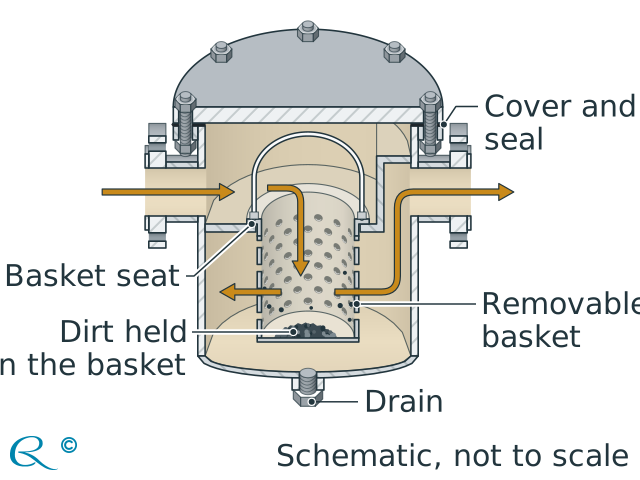
Strainers catch the coarser dirt before it reaches a pump, a burner or a valve: a suction strainer on a pump’s inlet, a Y-strainer in a line, or a basket strainer, whose basket lifts out once its cover is off. In a basket strainer the flow passes from the inside of the basket out through its wall, so the dirt stays in the basket.
Sludge and sediment collect in the bottom of strainer bodies and filter housings too, and cleaning the element alone leaves them there to be stirred up when the flow starts again. So on HSD, furnace oil and thermic fluid lines we clean the housings and vessels themselves as well as the elements and baskets in them: drained, the sludge and sediment taken out, washed, and the cover face and its seal checked before the housing is closed.
Furnace oil and thermic fluid filters run hot, and any filter can hold pressure. If a filter housing or line must be opened, it is first isolated and locked out, its pressure released, drained and left to cool, under your plant’s permit-to-work.
How We Clean a Filter Element
Which of these steps an element gets depends on its type and on the dirt it holds; the quotation names the methods for each filter.
Look Before Cleaning
Each element, strainer or basket is checked before it is washed. One with torn mesh, a split seam or a loose end cap cannot be made fit by cleaning, so we tell you before any work is spent on it.
Solvent or Chemical Wash
A wash loosens the oil, sludge and sticky deposits that bind the dirt to the mesh. The wash liquid is chosen to suit the deposit and the element’s metal and seals.
Ultrasonic Cleaning
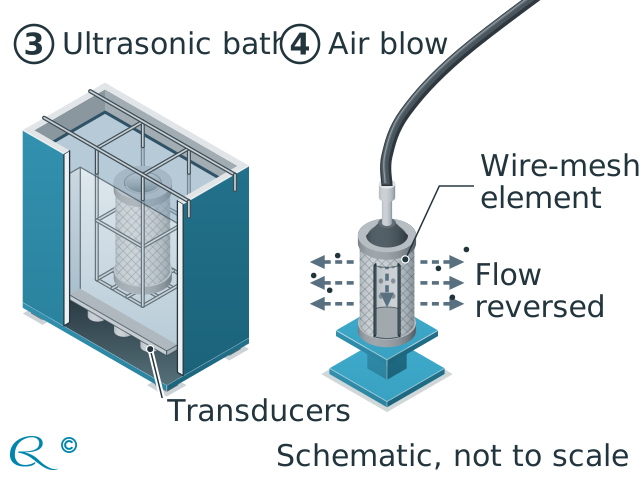
Where the element suits it, it goes into an ultrasonic bath. Sound waves in the liquid form tiny bubbles that collapse against the mesh and shake fine particles out of openings that a brush or a spray cannot reach.
Back-Flush or Air Blow
Liquid or clean, dry air is pushed through the mesh the opposite way to the flow in service, at a pressure the element can take, so dirt lodged in the openings leaves the way it came in.
Inspect Again
After cleaning, each element is inspected again, and we tell you which can go back into service, which should be replaced, and why.
Back Into Service
At your plant, the clean elements are ready to refit in their housings; from our workshop, they are returned to you. A seal that is cut, flattened or hard should not go back with them.
At Your Plant or at Our Workshop
At your plant. During a shutdown or a service visit, our team cleans the filters on site, so the elements, strainers and baskets never leave your plant. Housings and vessels are cleaned where they stand.
At our workshop. Elements, strainers and baskets can be sent to us; we clean and inspect them and send them back with our advice on each. How they travel, and when they come back, are agreed in the quotation.
A spare set of elements lets a machine run on clean ones while its dirty set is being cleaned.
What the Inspection Looks For
A cleanable element is not cleanable for ever. After cleaning, each element, strainer and basket is checked against the points below, and we tell you which can go back.
| What the inspection finds | What we advise |
|---|---|
| Mesh clean and whole; seams, end caps and frame sound | Fit to go back into service, with sound seals |
| A hole, tear or split in the mesh, or a seam that has opened | Replace: dirt would pass straight through the opening |
| Mesh pulled away from an end cap, or an end cap loose or cracked | Replace: oil could pass round the mesh instead of through it |
| Crushed pleats, a dented frame or a collapsed core | Replace where the mesh or its support is damaged |
| Dirt or deposits that stay in the mesh after cleaning | Replace: the element would block again soon |
| Corrosion of the mesh or the frame | Replace |
| Seals that are cut, flattened, hard or swollen | New seals before the element goes back |
General practice; the element maker’s instructions come first.
Where It Is Used
- Hydraulic systems: suction strainers and cleanable elements on presses, injection moulding machines, machine tools and power packs.
- Lube oil systems: lube oil skids of turbines and compressors, and gearbox lube circuits.
- Fuel lines: HSD and furnace oil strainers and filter housings ahead of boilers, furnaces and generator sets.
- Thermic fluid circuits: strainers and filters on the hot oil lines of thermic fluid heaters.
- Compressed air: compressor intake filters and air line filters.
- Pipelines and tanks: strainers and filter baskets ahead of pumps and in transfer lines.
What Your Site Provides
For cleaning at your plant, we ask your site for these; the quotation confirms them.
- Work permits, gate passes and access to the filters.
- Isolation and lock-out wherever a line or filter housing is opened.
- Electric power and compressed air near the filters, where the method needs them.
- A working space near the filters where the wash liquid can be kept contained.
- Disposal of the dirt, sludge and used wash liquid, and of any element that is replaced, through your plant’s waste route.
Questions Buyers Ask
Can paper or glass-fibre filter elements be cleaned?
Not for reuse. They are built to be used once and then replaced, so we do not clean them. We clean elements made to be cleaned, such as woven wire mesh and wire cloth, and strainer screens and baskets.
Will a cleaned element be as good as new?
Not always. Cleaning removes the dirt that will come out, and the inspection then shows whether the element can go back. Mesh that still holds dirt, or is damaged, should be replaced. The element maker’s instructions on how, and how often, it may be cleaned come first.
Do you also clean the filter housing?
Yes. On HSD, furnace oil and thermic fluid lines we clean the housings and vessels as well as the elements and baskets in them.
Can you supply a new element when one cannot be reused?
Yes. We supply hydraulic and lube oil filter elements, by the old element’s part number or as a checked equivalent, and can quote one with the cleaning.
What should I send for a quote?
What each filter is (element, strainer, basket or housing), the system and the fluid it serves, how many there are, the marking on the element or a photo of it, and whether the cleaning is to be at your plant or at our workshop, with your shutdown dates. Approximate is fine.
How long does a job take, and how is it priced?
It depends on how many filters there are, their size, how much dirt they hold and the methods they need, so we quote for each enquiry.
Related Services and Products

Filter Elements
Replacement elements for hydraulic and lube oil filters, by part number or a checked equivalent.
Oil Flushing
Hydraulic and lube oil systems flushed after installation or repair, with our 1,200 litre-a-minute flushing rig and a separate 300 litre-a-minute pump.
Hydraulic Oil Filtration
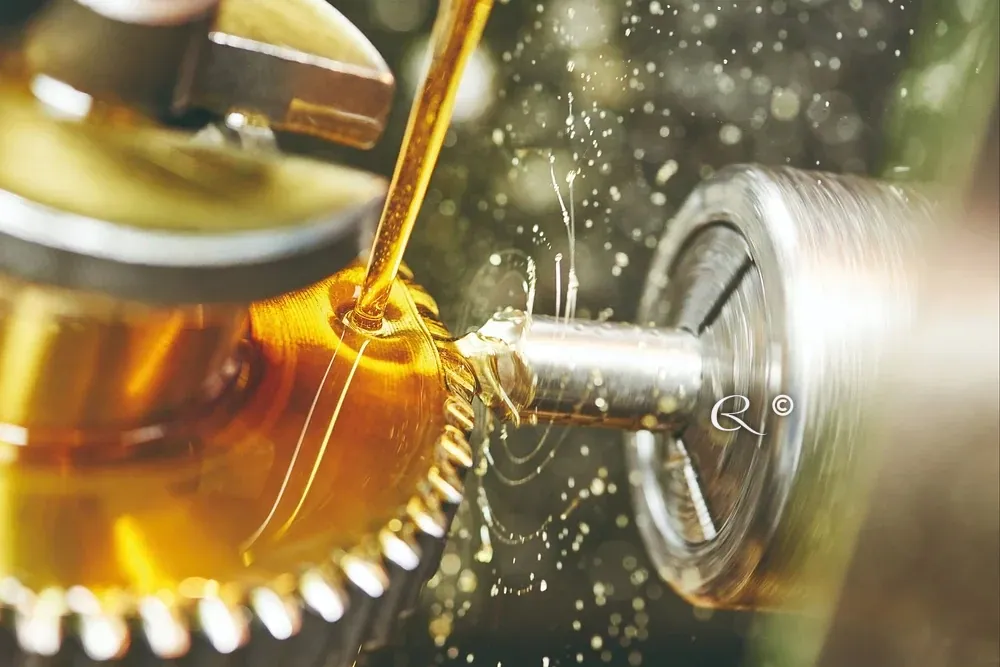
Filtered to the NAS or ISO class your pumps and valves need, and checked with our particle counter.
Lube Oil Filtration
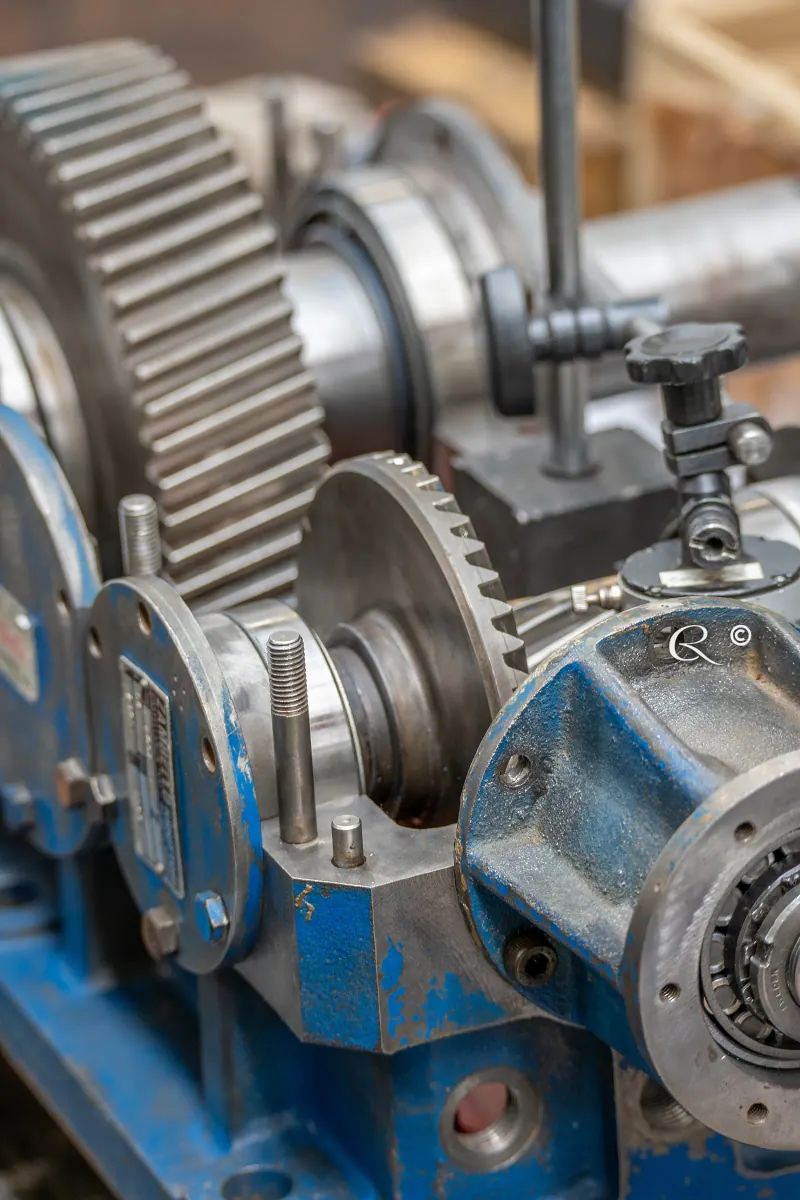
Gear and bearing oil cleaned and dried at your site, so it can go back into service.
High-Speed Diesel (HSD) Filtration
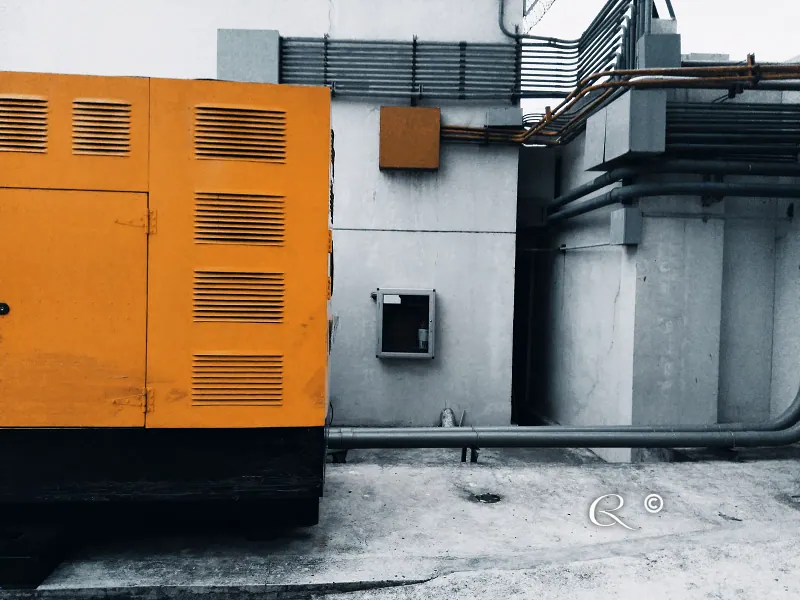
Clean stored diesel for generators and fleets by removing water and particles.
Tank Cleaning
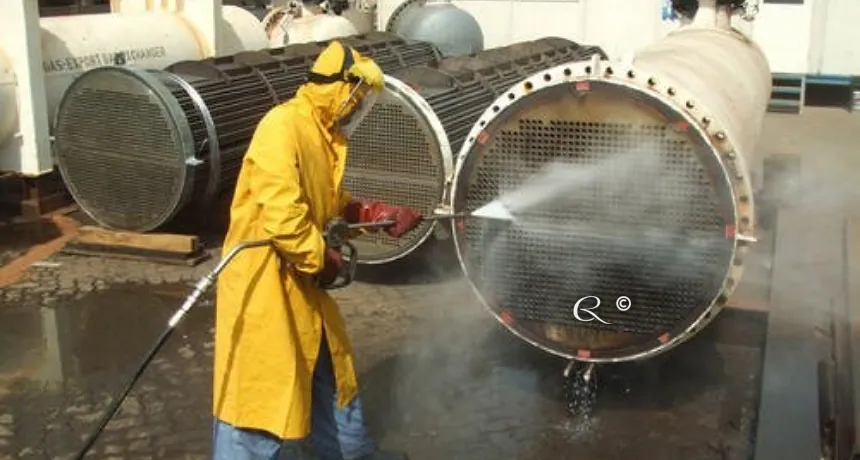
Sludge, water and scale taken out of oil, fuel and chemical storage tanks, with or without entry as the tank allows.
Ask About Filter Cleaning
Tell us about the job. “Not sure” is a fine answer; we will ask follow-up questions.
Request received. Your reference is {ref}. We reply during office hours, Monday to Saturday, 9.00 am to 5.30 pm. For a breakdown or a plant shutdown, call +91 99400 49505 at any time. Nothing is booked or ordered until we confirm scope, availability and terms in writing.Prefer to talk? Call +91 99400 49505 or WhatsApp us.

Plan Filter Cleaning Into Your Shutdown
We can come to your plant, look over the filters, strainers and housings on your list, and plan their cleaning around the stop with your maintenance team.
Request an Assessment
Get Expert Advice for Your Filters
Call or WhatsApp an engineer, or send photos of the elements and their markings. We reply with the method we propose, or tell you if an element should be replaced instead.
WhatsApp +91 99400 49505