
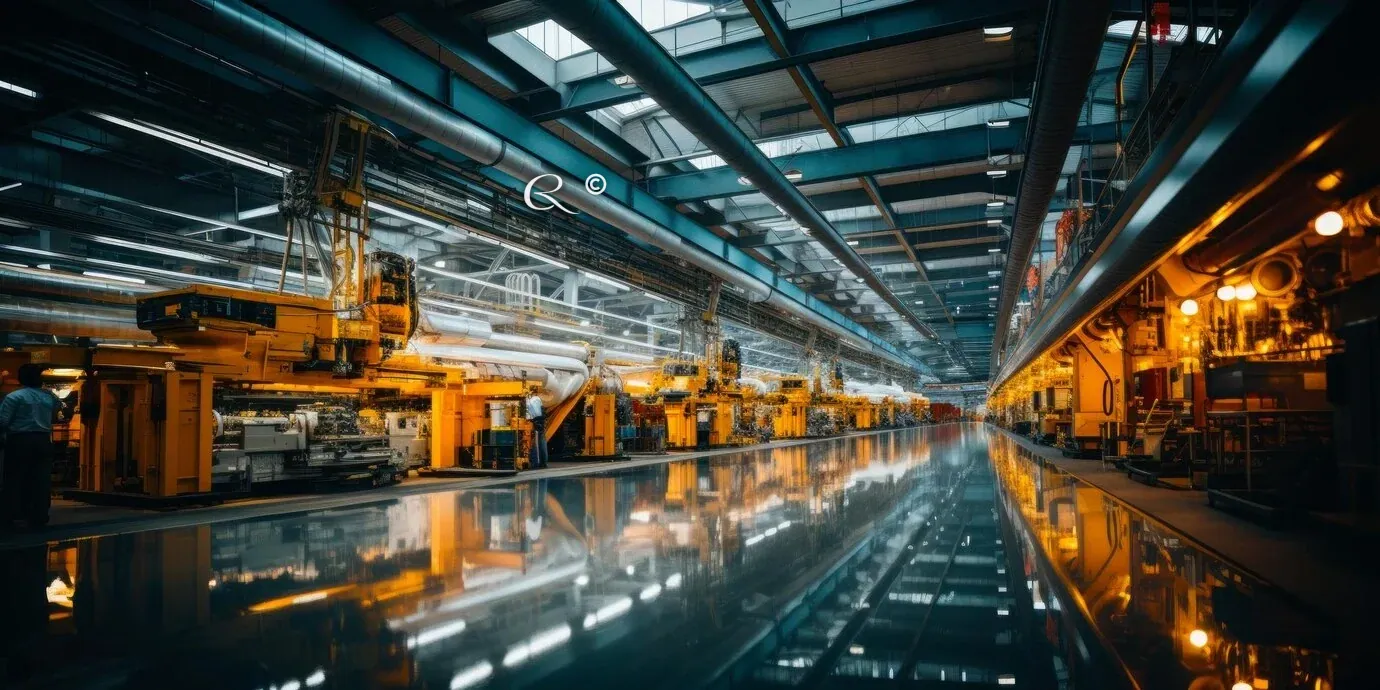
Safety Equipment
Ram Engineering, based in Chennai, is a safety equipment supplier in India: PPE, electrical and fire safety items, spill kits, confined-space entry equipment and breathing apparatus (SCBA).
What to Send for a Quote
These four are enough to start:
- The items and quantities, best as your safety officer’s list or purchase specification, or a photo of each item you use now. Send photos on WhatsApp to +91 99400 49505 or by email to [email protected].
- Sizes for anything worn, as a count of wearers for each size.
- The specification: for electrical gloves and mats, the highest voltage of use and the grade your electrical engineer names; for extinguishers, the type and size your fire plan sets.
- The site and the date you need them by.
Who Decides What a Site Needs
PPE is the last line of defence: a hazard is first removed or controlled at its source, by isolating, guarding or ventilating, and PPE is for the risk that remains. The other items on this page serve that work: isolation, fire response, spill control and safe entry.
Your safety officer decides which items each job needs, and to what specification, from the risk assessment, the work permit and the rules that apply to your plant. We supply to that list; we do not choose the level of protection.
We supply the items only: we do not refill, service, test or calibrate them, or train people to use them. Use each item as its maker’s instructions say, and take it out of use if it is damaged.
We are a supplier, not the maker.
Safety Equipment Ranges
The cards follow the four ranges: PPE, electrical isolation, fire safety, and spill and confined-space equipment, with breathing apparatus last. Each photo shows one example. Insulating mats, electrical gloves, voltage detectors and rods are described after the cards.
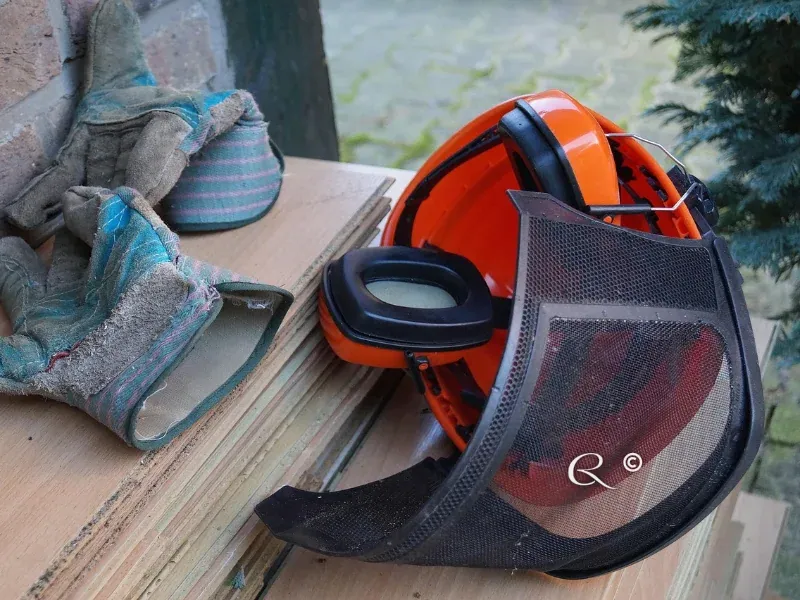
Helmets, Goggles, Ear Protection, Masks, Gloves and Safety Shoes
A safety helmet has a hard shell and an adjustable headband, and some carry ear muffs and a visor, as in the photo; goggles seal round the eyes, for dust, chips and splashes; ear muffs and ear plugs lower the noise reaching the ear. A dust mask or a filter half mask only cleans the air breathed in and adds no oxygen. Safety shoes have a steel or composite toe cap and usually a slip-resistant sole; antistatic shoes are not shoes for electrical work. Gloves are chosen for the task: handling, cuts, heat, or a named chemical checked against the glove maker’s chart. Coveralls are cotton or disposable.
Tell us: how many of each and the sizes, your site’s helmet colours, what each mask and glove is for (and any chemical), and whether the shoes are for electrical work.
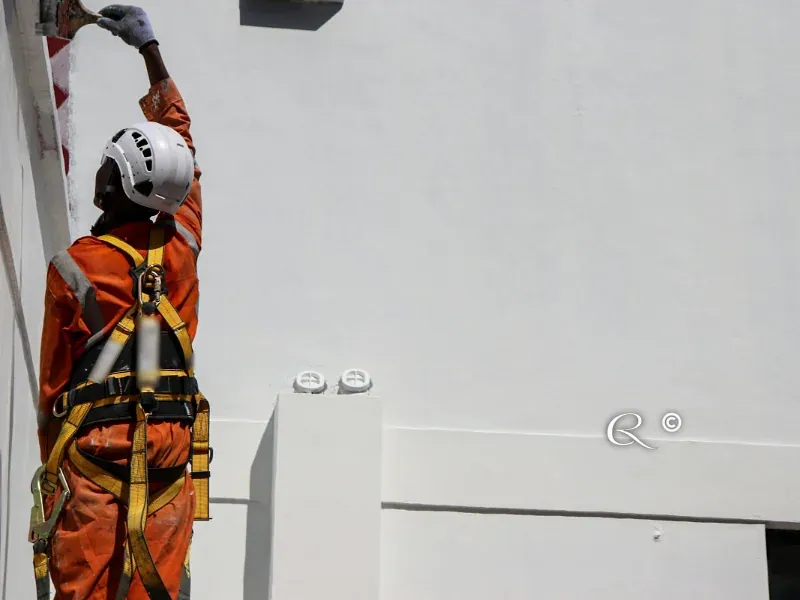
Safety Harnesses and Belts
A full body harness spreads the load of an arrested fall over the thighs, hips, chest and shoulders, joined at its back D-ring by a lanyard or a fall arrester to an anchor. A waist belt holds the wearer in a working position or back from an edge; it is not for arresting a fall. A harness that has held a fall is taken out of use, as its maker’s instructions say.
Tell us: the wearers and their build, the work (fall arrest, positioning or restraint), and the lanyard and anchor your plan names.
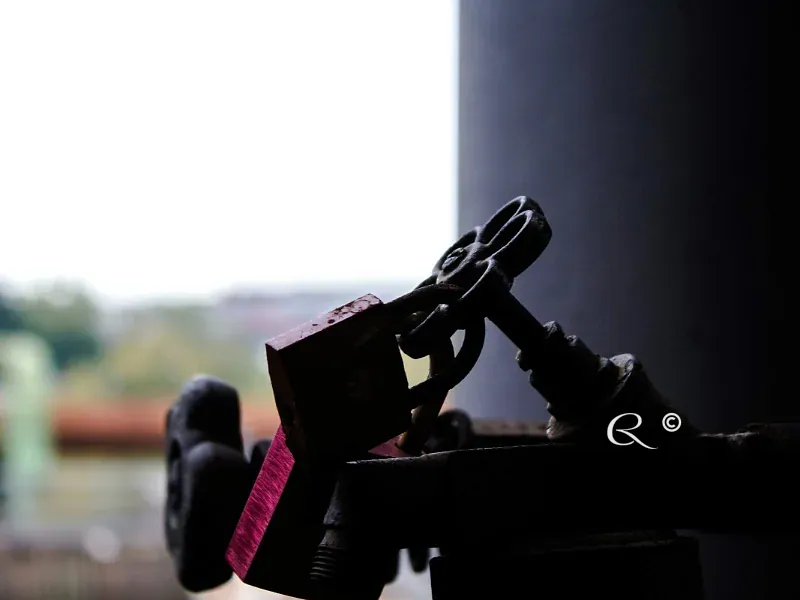
Lock-Out Tag-Out Kits
Lock-out follows isolation. Each person working fits a personal padlock to the isolator, often through a hasp that takes several, so it stays off until the last lock is removed, and a tag says who isolated it and why. Kits hold padlocks, hasps, tags and lock-out devices for breakers, valves and plugs.
Tell us: the number of padlocks and the key arrangement, and the points to isolate: breakers, valves or plugs.
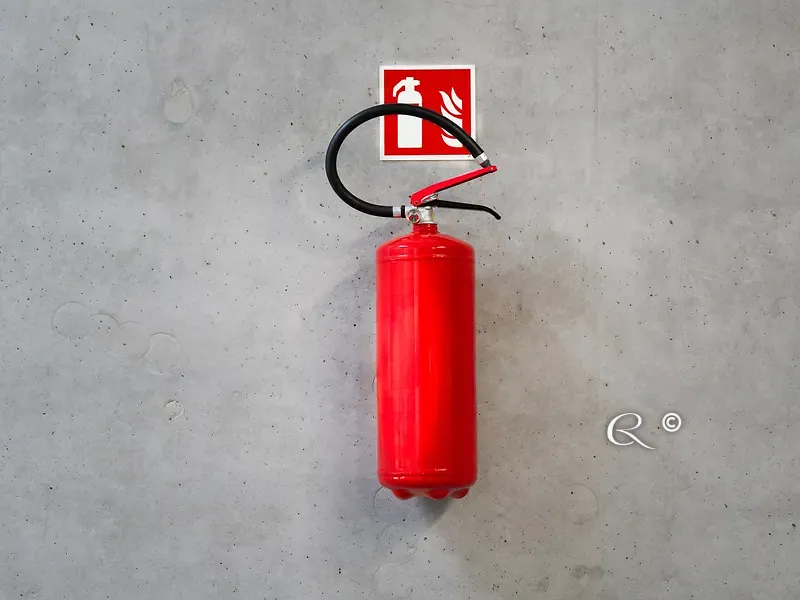
Fire Extinguishers, Fire Blankets and Fire Safety Signs
An extinguisher is chosen for what may burn where it hangs, and its label shows the fires it is for: see the table below. A fire blanket smothers a small fire, such as burning oil in a pan, or a person’s burning clothes. Signs mark exits, extinguisher points and assembly points, as your fire plan sets. We supply new extinguishers only; we do not refill or service them.
Tell us: each extinguisher’s type and size and how many, the blanket size, and each sign’s wording and size.

Spill Kits and Absorbents
A spill kit keeps absorbents, gloves and disposal bags in one bin or bag near where oil and coolant are handled. Oil-only absorbents take up oil and shed water, so they suit wet floors and outdoor spills; universal ones take up oil, coolant and water. Socks, like the one floating at the left of the photo, stop a spill spreading; pads and rolls soak it up. Used absorbent is waste.
Tell us: the liquids, the largest spill you plan for, and how many kits and where.
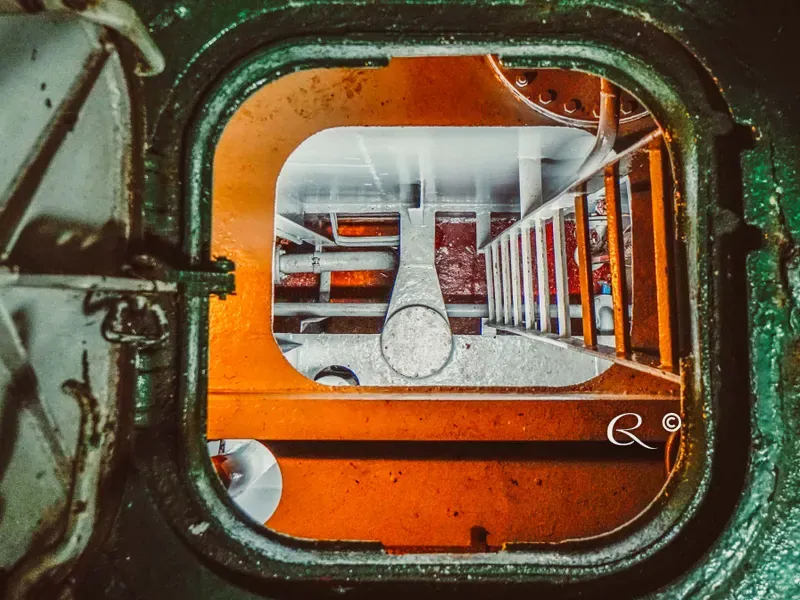
Gas Detectors, Ventilation Blowers and Entry Tripods
For entry into tanks, pits and vessels. A portable gas detector warns of too little oxygen and of flammable or toxic gas; multi-gas models often read oxygen, flammable gas, hydrogen sulphide and carbon monoxide. A blower pushes fresh air in through a duct or draws foul air out. A tripod with a winch lets the team outside lower a person in and lift them out.
Tell us: the gases your risk assessment names, the opening’s size and depth, the power supply, and whether flammable vapour may be present.
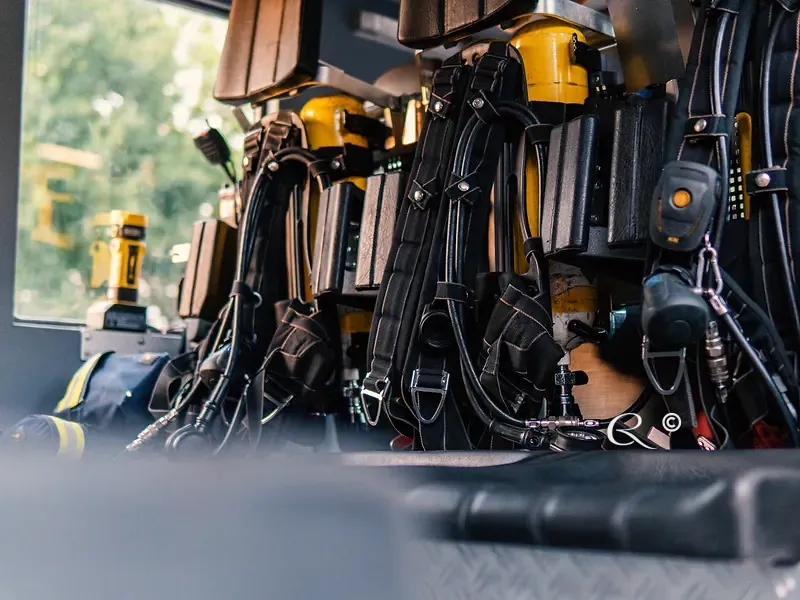
Self-Contained Breathing Apparatus (SCBA)
An SCBA set brings its own air: a full face mask fed through a demand valve from a breathing air cylinder carried on a back plate, independent of the surrounding air. It is used only by trained wearers, under your plant’s own procedure and permit. Its cylinders are filled and tested only by people and facilities that the rules allow to do that work; we do not fill, test or service cylinders or sets, or train wearers.
Tell us: the number of sets and spare cylinders, and the mask sizes.
Electrical Safety Items
Insulating mats, electrical gloves, voltage detectors and discharge rods. An insulating mat lies in front of switchboards and panels, so the person operating them stands on rubber, not on the bare floor. Electrical gloves are rubber insulating gloves, often worn with leather protectors over them. A voltage detector, proved on a known live source before and after use, tests that the conductors are dead. On high-voltage equipment a discharge rod drains stored charge, and earthing rods hold the conductors to earth during the work.
Voltages and grades. Each is made for a range of working voltages and chosen by grade. Tell us the highest voltage of use and the grade your specification names, the mat’s length and width, the glove sizes, and the system voltage for detectors and rods; the quotation names the item and grade we propose against it. If no grade is named yet, settle it with your electrical engineer first: we do not choose it.
Rubber gloves and mats can be weakened by heat, oil, sunlight, folding and sharp edges; their maker’s instructions and your plant’s rules say how they are stored, checked before use and retested. We do not test them.
Extinguisher Types Compared
A general guide, not a rating: your fire plan, set by your safety officer under the rules that apply, decides the type, size, number and place of each extinguisher, and the label on each one shows the fires it is for.
| Type | Often used for | Not for, or check first |
|---|---|---|
| Water | Wood, paper, cloth and other ordinary materials | Not for burning oil or fuel, or live electrical equipment. |
| Foam | Ordinary materials, and burning oil or fuel spilled on the floor or in a tray | Not for live electrical equipment unless its label says it may be used there. |
| Dry powder (multi-purpose) | Many kinds of fire, including oil, fuel and electrical equipment | Leaves a fine residue that can harm electronics and machinery; in a small room the cloud makes it hard to see and breathe. |
| Carbon dioxide (CO2) | Live electrical equipment, and small oil or fuel fires | Leaves no residue, but displaces the air: leave a small room once it is used and ventilate it before going back in; little use outdoors in wind. |
Fires of metals and of cooking oil need extinguishers made for them; ask your fire safety officer.
Confined-Space Entry: The Kit and the Permit
A tank, pit, vessel or manhole can hold too little oxygen, or a flammable or toxic gas, even when it looks clean and smells of nothing.
Entry is made only under a confined-space permit with positive isolation, ventilation, gas testing and monitoring as the permit requires, trained entrants, a standby attendant, communication and a rescue plan in place. The kit serves the permit and does not replace it: the permit and the risk assessment set what each entry needs.
Where flammable vapour may be present, blowers, detectors and any lights or tools taken in must be of a type made for such areas; tell us how your plant classifies the area.
Also for Compressed Air and Hose Work
Hose whip checks. A whip check is a steel wire rope with a loop at each end, tightened over the hose on each side of a coupling, so that if the joint parts under pressure the hose is held instead of whipping about. Tell us the hose’s outside diameter at each joint and how many joints. A whip check does not replace a sound coupling, its locking pins, or shutting off the air before a joint is opened.
How to Give Sizes for PPE
Send a count of wearers for each size, and measurements where you can: letter sizes and fits differ between makers.
Safety Shoes
Each wearer’s everyday shoe size, and whether it is a UK or a European size.
Gloves
Often numbered from about 6 to 11, roughly the hand’s girth in inches, measured round the palm below the knuckles with the thumb left out. Measure the working hand.
Coveralls
Chest and height for each wearer.
Helmets
Most adjust with the headband; say if you need chin straps, or slots for ear muffs or a visor.
Masks
Half masks often come in small, medium and large. A tight-fitting mask seals well only where no beard or stubble lies under its edge, and your procedure may call for a fit test.
Harnesses
Often in a few sizes, or one adjustable size. Send each wearer’s height, build and weight with clothing and tools: the maker’s instructions set each harness’s weight range.
Before We Quote Safety Equipment
Safety equipment must suit the hazard, the work and the wearer, not only the item’s name. What our quotation will confirm: the item we propose and its specification, what we matched it to, the quantity and availability.
| Detail | Why it matters |
|---|---|
| The work and the hazard | What people do, and where, decides the kind of item; the risk assessment decides the level of protection. |
| Your specification or safety list | Item by item, so that each line of the quotation answers a line of your list. |
| Wearers and sizes | A count for each size of shoe, glove, coverall, mask and harness. |
| Voltage, for electrical items | The highest voltage where each item is used, and the grade your electrical engineer names. |
| What may burn, for extinguishers | The type, size and number your fire plan sets for each area. |
| The space, for confined-space equipment | The gases to detect, the size and depth of the opening, and whether flammable vapour may be present. |
| Documents with the supply | Need the maker’s documents with an item? Ask in your enquiry; the quotation lists what is sent with each item. |
| Quantity and required date | Lets us confirm availability and lead time with the quotation. A less common item takes longer to deliver, and the quotation states the delivery time. |
Questions Buyers Ask
Do you refill, service or test safety equipment?
No. We supply the items only. Refilling and servicing extinguishers, filling and testing breathing air cylinders, calibrating gas detectors, testing electrical gloves and mats, inspecting harnesses, and training people to use any of them are specialist work, done by those whose work it is under the rules that apply. The maker’s instructions say what the user checks before each use.
Can a filter mask be used instead of breathing apparatus?
Not where the air may be short of oxygen, or where the gas or its level is unknown: a filter can only take out of the surrounding air what it is made for. The permit and the risk assessment decide which is worn, and breathing apparatus is used only by trained wearers under your plant’s procedure.
Which safety items does our site need?
Your safety officer decides, from the risk assessment for each job and the rules that apply to your plant. Send us that list with the sizes and quantities, and we quote against it.
Does your invoice show the HSN code?
Yes. Our GST invoice shows the HSN or SAC code for each line.
Do you keep stock?
Availability is confirmed with each quotation.
What is the price?
Prices depend on the item, its size or grade and the quantity, so we quote for each enquiry.
Send Your Safety Equipment List
The items, sizes, specification and quantities, the site, and the date you need them by. The form takes no files: after sending it, email us your list or specification, or send it on WhatsApp.
Request received. Your reference is {ref}. We reply during office hours, Monday to Saturday, 9.00 am to 5.30 pm. For a breakdown or a plant shutdown, call +91 99400 49505 at any time. Nothing is booked or ordered until we confirm scope, availability and terms in writing.Prefer to talk? Call +91 99400 49505 or WhatsApp us.
Related
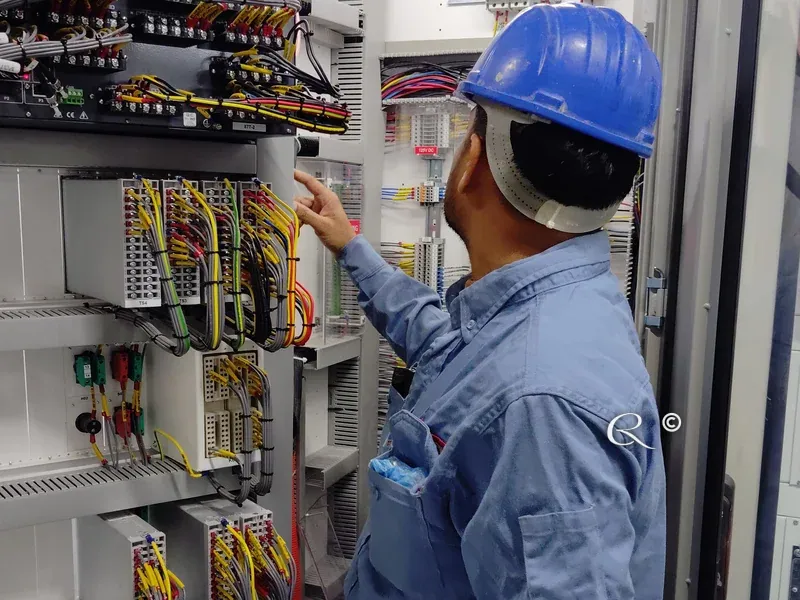
Electrical and Safety Audit
An audit of your electrical installation, carried out together with our partner.
Tank Cleaning
Sludge, water and scale taken out of oil, fuel and chemical storage tanks, with or without entry as the tank allows.
Plant Audits
Electrical, thermal, fuel oil, insulation, oil and compressed air audits of your plant, booked one at a time or together.