
Transformer Oil Filtration in Tamil Nadu
Ram Engineering takes moisture, dirt and sludge out of your transformer oil by hot-oil vacuum filtration, and tests it for BDV and acidity. In Tamil Nadu only.
What Goes Wrong in Transformer Oil
Transformer oil insulates the windings and carries heat to the tank wall. Water and fine particles lower its electrical strength, and the lower the strength, the greater the chance of a breakdown inside the tank.
Moisture enters through the breather (a transformer breathes as it heats and cools, and saturated silica gel lets damp air in), through leaking gaskets and seals, and from the paper insulation as it ages. Hot oil also oxidises, forming acid and sludge.
In a typical transformer most of the water sits in the paper of the windings, not in the oil, so drying the oil does not dry the transformer, and a test of the oil a few weeks later can show whether moisture is coming back from the paper. The water in the paper cannot be worked out from the oil’s temperature and water content alone: that needs equilibrium conditions and assumptions about the insulation’s condition.
Filtering takes out water, particles and, under vacuum, dissolved air and gas. It cannot cure an internal fault. If the transformer has tripped on its gas relay, or a laboratory gas test points to a fault, the cause is found first: filtering would remove the evidence.
Signs at the Transformer, and What They Usually Point To
The oil shows moisture and contamination; it does not show the state of the windings or the core. A gas relay alarm is never a filtration job: your electrical engineer or the transformer maker comes first, and the oil stays as it is until they have taken their samples.
| What you notice | What it usually points to | What we test |
|---|---|---|
| A routine BDV result lower than before | Water or particles in the oil | BDV on site, and acidity |
| Oil dark or cloudy in the sample bottle | Water, sludge or carbon | BDV and acidity |
| Breather gel changed colour, or the oil-seal cup level not as the breather’s instructions describe | Gel that has taken up moisture and needs renewing, or an oil seal not working as intended. Oil in the cup is normal and is not itself a sign of saturation | Gel condition and oil-seal level, checked against the breather’s instructions, then BDV; your team renews the gel |
| Oil seeping at gaskets or the tank wall | A route for moisture, and a repair job of its own | BDV, once the leak is repaired |
| Gas relay (Buchholz) alarm or trip | Gas in the tank: air, or an internal fault | Nothing yet: a laboratory gas test and your engineer’s inspection first |
How We Filter Transformer Oil
Isolate and Test First
The transformer is switched off, isolated and earthed under your permit. We take an oil sample from the lower valve, test its BDV on site with our BDV kit and test its acidity, so that we have the starting figures.
Connect the Filter Unit
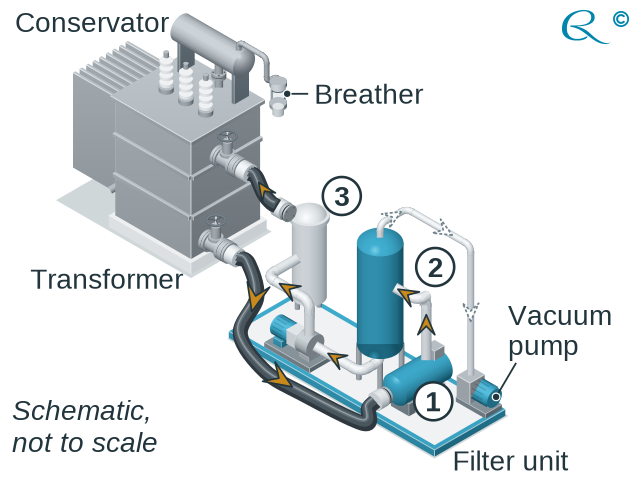
Our filter machine is joined to the lower valve and to an upper valve, usually the lower for suction and the upper for return. The hoses are kept capped until they are joined, so that no dirt goes in with them. We note the oil volume from the nameplate.
Hot Circulation Under Vacuum
The unit’s heater warms the oil first, so that the vacuum chamber can draw its moisture out more readily. The chamber takes out water and dissolved air and gas, and the fine filters take out sediment and carbon particles, before the oil returns to the tank. Our invoices call this the hot stream-line process and word the job as three circulations of the whole volume. Some state a BDV target in their own words, such as 40 kV held for one minute: the invoice’s withstand criterion for the job, not the result of the ramp-to-breakdown method described under BDV below.
Test and Certificates
A sample taken after filtration is tested for BDV and acidity, and you get the test certificates for both.
What It Cannot Reach
Sludge that has settled on the windings or in the core cannot be washed out this way, and a transformer with an internal fault needs your electrical engineer or the maker first.
Transformer Oil BDV Test: What It Measures
BDV, the breakdown voltage, is the voltage at which the oil between two electrodes breaks down; a higher result means a higher breakdown strength under that test, which is not a complete assessment of the insulation’s health. The usual test method is IEC 60156, or IS 6792 in India, with the electrodes a set gap apart, usually 2.5 mm. The figure to reach depends on the transformer’s voltage class and on your utility or maker; IS 1866 and IEC 60422 give recommended values for oil in service. The quotation states the target.
| Test | What it shows | How we do it |
|---|---|---|
| BDV | The oil’s breakdown strength under the test. It falls with water and particles. It does not assess the whole insulation system. | On site with our BDV kit, before and after, and certified. |
| Acidity (acid number) | The acidic constituents in the oil. Compare each result with the fresh oil’s value and with the limit your utility or the transformer maker applies, using the same test method every time. Acid and sludge can attack the insulation. | Tested and certified with the BDV. Filtering does not cure high acidity. |
| Water content | Water in the oil. With the oil temperature it gives only an indication of the water in the paper, which also depends on equilibrium conditions and the insulation’s condition. | By our NABL-accredited partner laboratory when the quotation includes it. |
| Dissolved gases | Fault gases in the oil, such as hydrogen and acetylene. | Not part of our filtering job. A laboratory does it, best before a transformer you suspect of a fault is filtered. |
Samples are drawn by the approved transformer-oil sampling method, from the valve it names, into a clean, dry container made for the test. A damp container or a rushed sample shows a low BDV that the transformer does not have.
Filter, or Replace the Oil?
Filtering is the right job when the test shows a low BDV and the acidity is still within the limit that applies: the oil is wet or dirty, not worn out. When the acidity is high, the oil is dark with a sharp smell or the sludge is heavy, filtering does not undo the oxidation, and the maker or your electrical team decides on changing the oil.
In most transformers with an on-load tap changer, the tap changer’s oil is in a compartment of its own, apart from the main tank. Tell us whether it is to be filtered too; the quotation states what is included.
After the job the usual checks are yours, before the transformer is energised: the oil level, air released from the gas relay and bushings as the maker instructs, and fresh silica gel in the breather if it has changed colour.
Case study
Oil of a 20 MVA Transformer Filtered, With Test Certificates
The situation. A metal alloys plant near Gummidipoondi asked us to filter the oil of a 20 MVA transformer and of a 1,250 kVA transformer. Transformer oil takes up moisture and fine particles over the years, and its breakdown voltage falls as it does, so the plant wanted the oil filtered to a set breakdown voltage and certified.
What we did. We joined our hot-oil vacuum filter to the transformers and circulated the oil through it: heated, drawn under vacuum to take out moisture and dissolved gas, then passed through fine filters. The target, as the invoice words it, was for the oil to withstand 40 kV for one minute in the BDV test, tested with our own kit.
The result. We invoiced the work in September 2021, counting 36,000 litres through the filter for the two transformers. The breakdown voltage and moisture test certificates for the job are held on file, and the readings are on those certificates.
Where: Near Gummidipoondi, Tiruvallur district, Tamil Nadu, September 2021.
Records and Handover
- Before the job: the quotation names each transformer by rating and number, whether a tap changer is included, the BDV target and the tests.
- At handover: the BDV and acidity test certificates, which our invoices list as part of the job.
Transformer Oil Filtration on Our Records
Our job records hold 148 transformer oil filtration jobs in the Chennai area from 2001 to 2026, for at least 47 organisations: 9 in 2023, 6 in 2024, 12 in 2025 and 18 in 2026 up to 8 October. A job here means one plant in one month with an invoice or a completion record. The work is for auto-component plants and forging plants in Chennai (2013 to 2026), a commercial building (one 2,000 kVA transformer, 2014) and plants in Chengalpattu, Tiruvannamalai, Ranipet and Tiruvallur districts. Our invoices from 2015 to 2025 show transformers from 315 kVA to 20 MVA (one 20 MVA unit in September 2021 and 10 MVA units in 2022 and 2023), many with on-load tap changers, filtered by the hot stream-line process and tested for BDV and acidity, with certificates.
Safety on a Transformer Oil Job
Our written methods for oil work set these rules; your permit-to-work governs the job.
- Electrical isolation: the transformer is switched off, isolated, earthed and tagged under your permit before any hose is connected, and stays so until your electrical team has taken the permit back.
- Hot oil: the oil is heated. Gloves and eye protection at the connections, and every hose joint checked for leaks before our pump starts.
- Fire: transformer oil burns, and a fire extinguisher stands at the machine. Drip trays and a spill kit at each connection, and no flames or hot work near the unit.
- Electrical, our unit: the unit earthed, its cables clear of oil and traffic.
- Waste: drained oil, used elements and sludge in closed containers, handed to your site for disposal through an authorised recycler.
Where It Is Used
- Factory transformers: forging, auto-component, metal and process plants.
- Commercial buildings and campuses with their own transformers.
- Substations and yards: tell us the rating and voltage class.
- Transformers with and without an on-load tap changer: tell us which.
What Your Site Provides
Our past offers put these in the customer’s scope; your offer confirms them.
- Permits, gate passes and entry to the transformer yard.
- Isolation, lock-out and earthing of the transformer by your electrical team.
- Power for our machine, at the supply the offer states.
- Level space beside the transformer for our unit, a way in for it, and access to the lower and upper valves.
- Top-up oil of the same grade, if the quotation includes it.
- Disposal of sludge, used elements and waste oil through an authorised recycler.
Questions Buyers Ask
What BDV should transformer oil reach?
It depends on the transformer’s voltage class and the standard or utility that applies; IS 1866 and IEC 60422 give recommended values. Some of our invoices state a target of 40 kV held for one minute for transformers of 315 to 750 kVA and for one of 20 MVA; that is the invoice’s withstand criterion, not an IEC 60156 ramp-to-breakdown result and not a general figure for every transformer. The quotation states the figure for yours, so send the nameplate details.
Why does the BDV fall again after filtering?
Usually because moisture comes back: from the paper insulation, through a saturated breather or through a leak. Renew the breather gel, repair leaks, and test the oil again after some weeks.
Can transformer oil be filtered while the transformer is live?
No. We filter with the transformer switched off, isolated and earthed, under your permit.
Do you filter transformer oil outside Tamil Nadu?
No. We offer transformer oil filtration in Tamil Nadu only. Our other oil services are offered across India.
Does filtering remove the gases a gas test finds?
A vacuum filter machine takes dissolved air and gas out of the oil, but that does not cure a fault. If a gas test points to an internal fault, find the cause first. Dissolved gas analysis is a laboratory test and is not part of our filtering job.
How long does a job take, and how is it priced?
The time depends on the volume of oil and how wet it is, and the quotation states it. Our invoices charge a fixed sum for each transformer, by its rating and whether it has an on-load tap changer, with the BDV and acidity tests and certificates included; the transport of our machine is a separate line.
What should I send for a quote?
The rating and number of the transformers (kVA and voltage), whether each has an on-load tap changer, the oil volume from the nameplate, the last oil test report if you have one, any gas relay alarm or trip in its history with the last dissolved gas result, and the site. Send photos on WhatsApp to +91 99400 49505 or by email to [email protected].
Where We Work
Tamil Nadu
- Chennai on our records
- Coimbatore
- Madurai
- Hosur
- Trichy
Related Services and Products
Oil Analysis
Oil tested at an NABL-accredited partner laboratory, with BDV and particle checks at your site.
Electrical Thermography
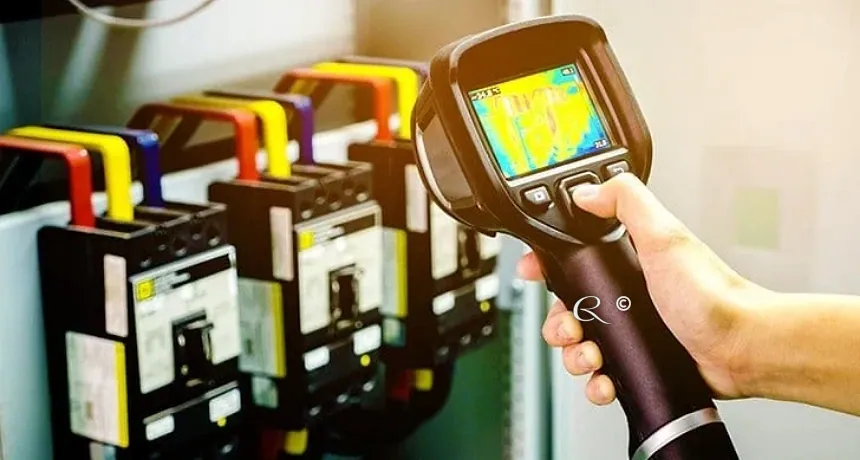
An infrared survey of transformers, panels and switchgear under load, to find hot spots before they fail.
Electrical and Safety Audit
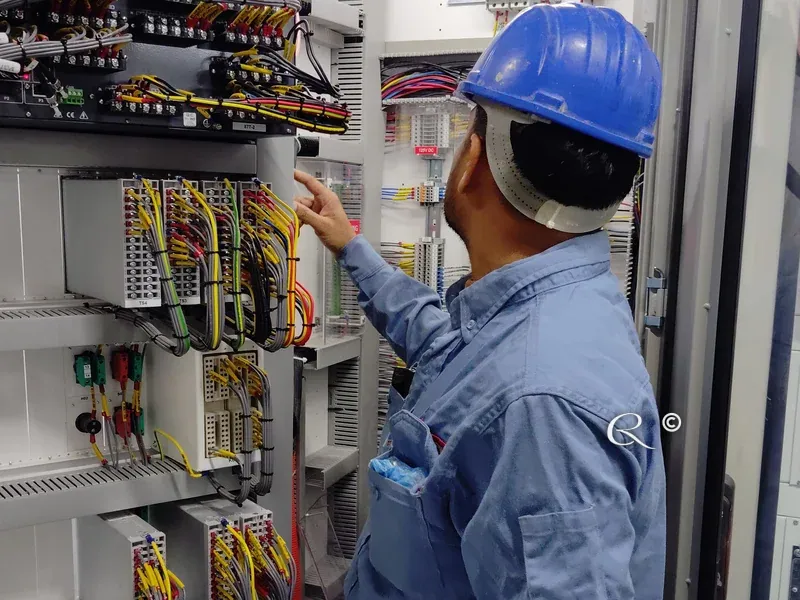
An audit of your electrical installation, carried out together with our partner.
Oil Management & Purification
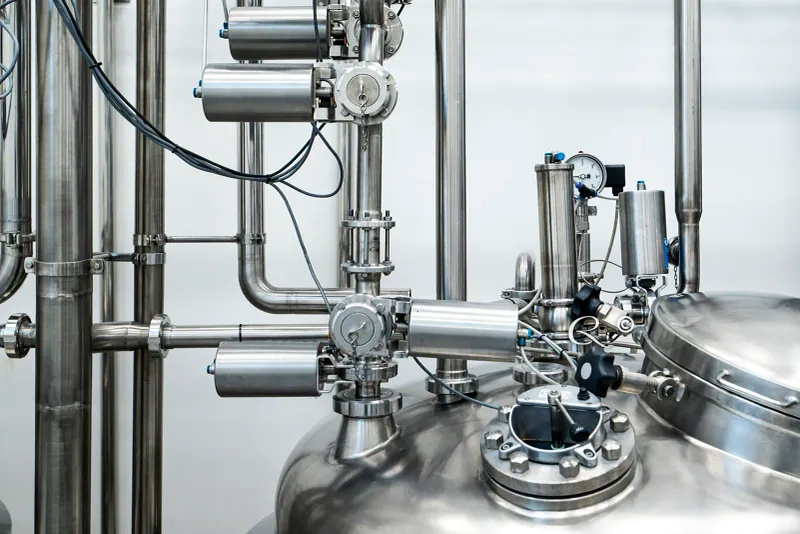
A plant oil programme: the oil tested, then centrifuge, vacuum dehydration or electrostatic cleaning by what the test shows.
Industrial Oil Filtration
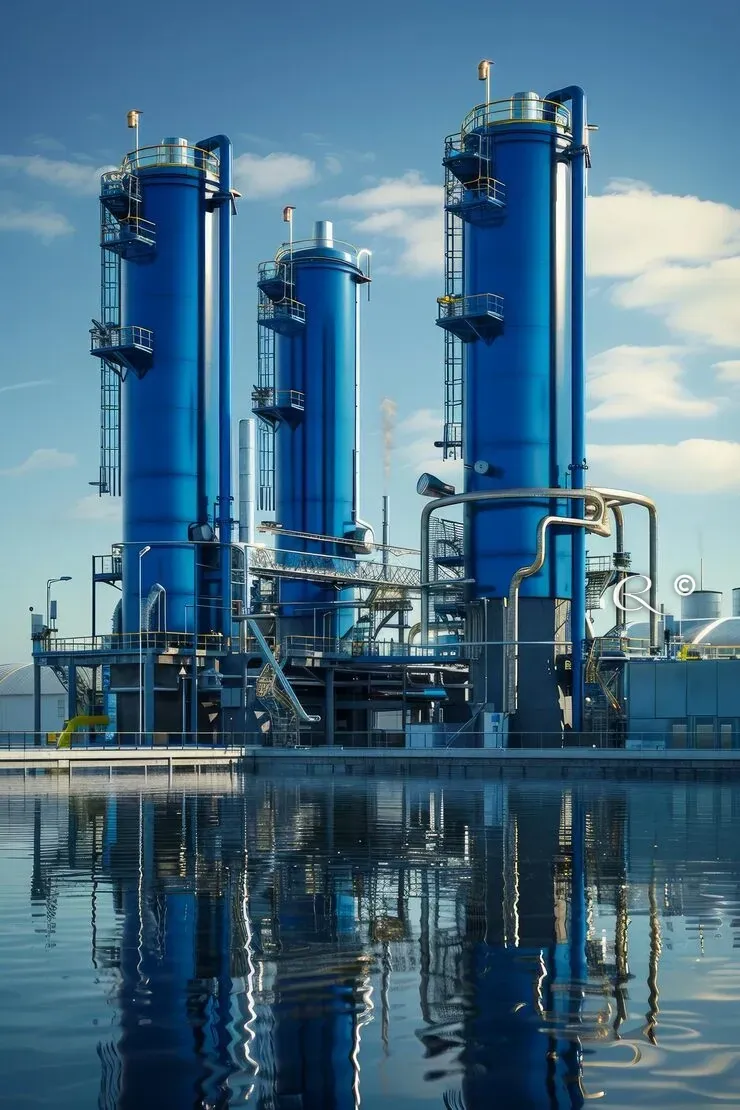
Hydraulic, lube, turbine and other plant oils filtered on site, with the method each one needs.
Lube Oil Filtration
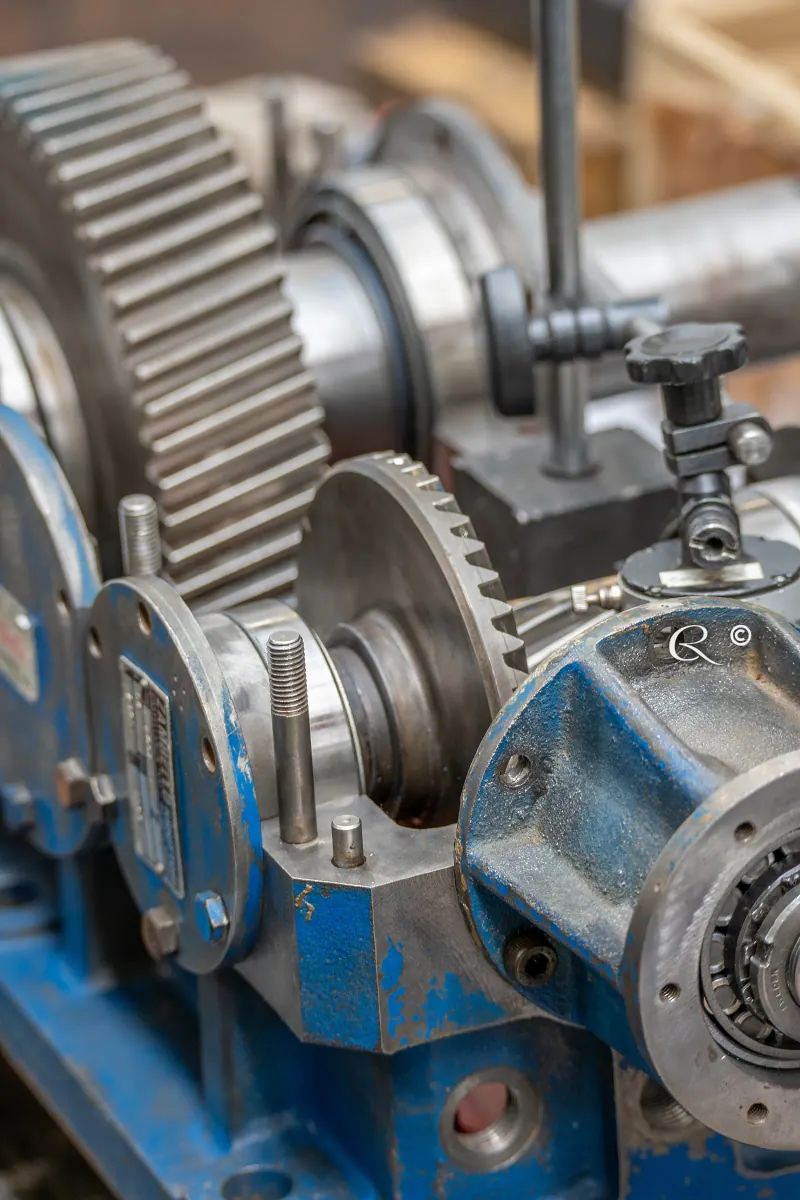
Bearing, circulating and machine tool lube oil cleaned and dried on site.
Ask About Transformer Oil Filtration
Tell us the oil, the volume and the problem. “Not sure” is a fine answer; we will ask follow-up questions.
Request received. Your reference is {ref}. We reply during office hours, Monday to Saturday, 9.00 am to 5.30 pm. For a breakdown or a plant shutdown, call +91 99400 49505 at any time. Nothing is booked or ordered until we confirm scope, availability and terms in writing.Prefer to talk? Call +91 99400 49505 or WhatsApp us.

Schedule a Plant Walkthrough
Our team can come to your site to see the system and the oil, take a sample if needed and tell you what it needs.
Request an Assessment
Get Expert Advice for All Your Oil and Pipeline Needs
Call or WhatsApp an engineer, or send the oil type, the volume and the problem. We reply with a method and anything else we need from you.
WhatsApp +91 99400 49505