
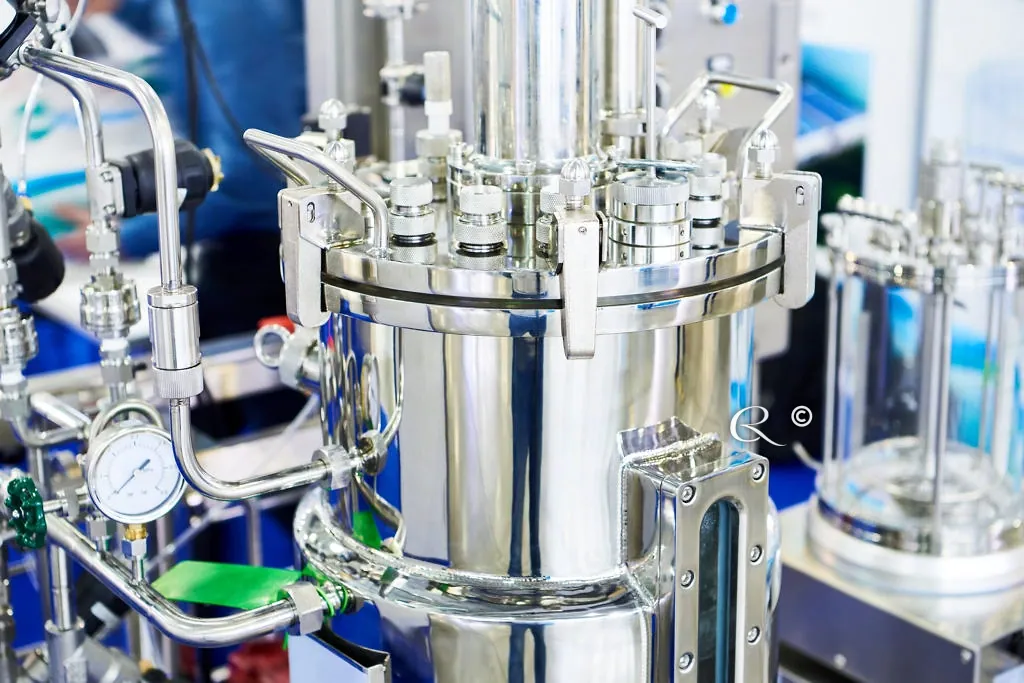
Industrial Chemical Filtration Services
At your plant, Ram Engineering cleans used solvents such as D60 of sediment, water and particles, so those still fit for your process go back into use.
Since 1993Over 33 years of experience
- about 80%The plant told us it cut its yearly purchase of new D60 by about 80%.
What Goes Wrong in a Process Chemical or Solvent
A solvent or process chemical that is used again and again picks up whatever the process leaves in it: metal fines and dust, carbon, oil from the parts, and water from the air or the washdown. The dirt blocks nozzles and filters, spoils test results and batches, and in the end the whole fill is thrown away as hazardous waste.
Filtering and centrifuging take out what is suspended in a chemical, and free water. They do not take out what is dissolved in it, and they do not restore chemistry that has been used up. So the first question is always what the contamination is, and what your process can tolerate.
What Treatment Takes Out of a Chemical, and What It Cannot
A sample of your chemical, tested, tells which of these applies.
| Contaminant | Where it usually comes from | What can be done about it |
|---|---|---|
| Solids: dust, metal fines, carbon | Parts, the tank floor, the air | Taken out by fine filters or a centrifuge |
| Free water | Condensation, washdown, a leaking cooler | Separated by a centrifuge. Water dissolved in some chemicals needs another method, and the quotation says so |
| Oil and grease carried in | Cleaned parts | Removed only as far as it is not dissolved; dissolved oil stays in the chemical |
| Dissolved chemicals, dyes or acids | The process itself | Not removed by filtering; the chemical is replaced, or sent elsewhere for another process such as distillation |
Whether a chemical can be treated safely on site also depends on the chemical. Strong acids, and reactive or toxic liquids, need their own arrangements: send the safety data sheet and the quotation says whether we take the job on.
How We Clean a Chemical on Site
Send the Safety Data Sheet
Tell us the chemical, the volume, how it is stored and what has got into it. The safety data sheet decides how the chemical may be handled, so it is read before anything else.
Analyse What Is in It
A sample shows the type and level of contamination. With your engineers we agree what must come out and the purity your process needs, and the quotation states both.
Choose Parts That Suit the Chemical
Filter media, hoses, seals and pump parts are checked for compatibility with the chemical, from its safety data sheet and the parts’ own data, so that they resist it and add nothing to it. A seal that swells or hardens in a solvent becomes a leak and a source of dirt.
Set Up Safely
Our mobile unit is earthed and bonded to your tank, with drip trays and a spill kit in place and ignition sources kept away. Your permit-to-work governs the job.
Treat in Our Mobile Unit
The chemical goes through our unit in stages. For the used D60 on our records the work took out sediment, water and carbon particles; for another chemical, the stages depend on the analysis. Our oil units heat the oil as they filter it, but a flammable solvent such as D60 is not treated that way unless its safety data sheet, its flash point and your permit allow it, and the quotation says whether heat is used.
Tank Cleaning, Where Needed
Sediment settles on the floor of a storage tank, so the D60 jobs on our records included cleaning the tank where the plant asked for it. Tank cleaning is a separate line of the quotation.
Check and Hand Over
A sample after the work is checked against the purity and the post-treatment properties agreed in step 2, and you get the results and the litres treated.
Case study
Used D60 Solvent Cleaned on Site at a Petrol Pump Dispenser Maker
The situation. A Coimbatore maker of petrol pump dispensers uses D60, a hydrocarbon solvent, to leak-test dispenser parts. Used D60 collects sediment, water and carbon particles. In December 2013 the plant sent us a trial barrel, and the D60 was analysed before we began.
What we did. We brought our mobile filtration unit to the plant and cleaned the used D60 in batches, never while testing was going on, taking out sediment, water and carbon particles. Most visits treated 2,000 litres or more; one invoice, of September 2016, covers about 9,900 litres. When asked, we also cleaned the plant’s D60 tanks and their filters, as a separate item.
The result. The plant told us it cut its yearly purchase of new D60 by about 80%. The work has run from 2013 to 2026, in visits of up to about 9,900 litres, and the plant’s purchase orders for it include one that calls the work D60 oil recycling.
Where: Coimbatore, Tamil Nadu, 2013 to 2026.
Safety on a Chemical Filtration Job
The chemical’s safety data sheet and your permit-to-work come first; these are our own rules on top of them.
- Flammable solvents: hydrocarbon solvents such as D60 burn, and their vapour can ignite. Flames, sparks and hot work stay away from the unit. The unit, hoses and tank are bonded and earthed, because liquid moving through pipes and filters builds up static charge.
- Protective equipment: gloves, eye and face protection and breathing protection as the safety data sheet requires, not as we would for oil.
- Materials: hoses, seals and pump parts must be checked against the chemical before anything is connected.
- Opening a line: Before you open a joint or measure pipework in place, isolate the line, release the pressure, drain it and let it cool, and follow your plant’s safety procedure.
- Spills and vapour: drip trays, absorbent material and a spill kit at every connection, and enough ventilation where vapour can collect.
- Waste: sludge, spent filter media and rags are sealed in labelled containers, and your site sends them to an authorised handler.
What to Send Before We Can Quote
- The safety data sheet for the chemical.
- Volume and storage: the litres, and whether it is in a tank or in drums.
- What has got in: dust, metal, water, oil, or “not sure”.
- The purity your process needs, or the test you use to accept the chemical.
- How often: a one-off clean, or a regular batch.
- Photos of the tank and the dirt help. Send photos on WhatsApp to +91 99400 49505 or by email to [email protected].
Where It Is Used
- Leak-test and parts-washing solvents in engineering plants, which pick up oil, metal fines and water as they are reused.
- Used-solvent storage tanks, before the solvent is reused or disposed of.
- Process fluids in chemical, pharmaceutical and food plants, where one contaminated batch is costly.
Chemical Filtration on Our Records
Most of these D60 records (58 jobs, 2013 to 2022) are for the Coimbatore dispenser maker in the case study above. From a trial batch in 2013, we have regularly purified its used D60, removing sediment, water and carbon particles, and also cleaned its D60 tanks; the owner confirms that its work continues in 2026. The other 13 (2015 to 2026) are D60 purified for a second plant in Coimbatore. Our job records hold 71 industrial chemicals filtration jobs in the Coimbatore area from 2013 to 2026, for at least 2 organisations. A job here means one plant in one month with an invoice or a completion record.
What These Records Show, and What They Do Not
- The work: our invoices show used D60 purified in visits of about 600 to 9,900 litres.
- Not a purity result: an invoice names what was removed, sediment, water and carbon particles, and the litres; it does not state a measured purity. The purity your process needs comes from you, and a sample taken after the work is checked against it.
- One solvent: used D60 is the main chemical on our records. For any other chemical, the quotation says how we propose to treat it, and what we write is a proposal, not a track record.
What Your Site Provides
Our past offers put these in the customer’s scope; your offer confirms them.
- Work permits and gate passes, access to the area, and someone who knows the chemical to work with our team.
- The tank or line isolated, locked out and tagged out.
- A power point at the tank; the offer states what load the unit needs.
- Water for rinsing, where a tank is cleaned.
- Emptying of the usable chemical before a tank is cleaned.
- Disposal of sludge, used media and waste through an authorised handler.
Questions Buyers Ask
Which chemicals can you filter?
Used D60, a hydrocarbon solvent, is what our records show most. For any other chemical we start from its safety data sheet and your process, and the quotation says whether we take the job on and how we would treat it.
Can you clean a chemical that has dissolved contamination in it?
Not by filtering or centrifuging: they take out solids and free water, not what is dissolved. A chemical with dissolved contamination is usually replaced, or sent for another process elsewhere.
Is it safe to filter a flammable solvent on site?
It can be, with the right method: the unit, hoses and tank bonded and earthed, no ignition sources, spill control and ventilation, and your permit-to-work. The safety data sheet and your plant’s rules for flammable liquids come first.
How do you check the chemical afterwards?
A sample taken after the work is checked against the purity we agreed with you before the work. You tell us the limit or the acceptance test; we cannot know what your process tolerates.
Will the chemical’s properties change?
Filtration and centrifuging take out what is suspended, and free water, so measured properties such as water content, appearance and particle level change; that is the purpose. They do not remove dissolved contamination or restore depleted functional chemistry, and we cannot promise that every property stays unchanged. Compatibility of media, hoses and seals is checked so that they add nothing to the chemical, and the properties to be verified after treatment are agreed with you first.
How is it priced?
Our D60 invoices charge per litre or per job, and the unit’s transport sits in the price or on its own line; the quotation states which. For jobs outside Chennai, travel and stay for our team are included in the quote.
What should I send for a quote?
The safety data sheet, the litres, whether the chemical is in a tank or drums, what has got into it and the purity you need. Send photos on WhatsApp to +91 99400 49505 or by email to [email protected].
Where We Work
Tamil Nadu
- Coimbatore on our records
- Chennai
- Madurai
- Hosur
- Trichy
Telangana
Kerala
Andhra Pradesh
Odisha
Delhi NCR
Rajasthan
Jharkhand
Uttar Pradesh
West Bengal
Punjab
Chhattisgarh
Related Services
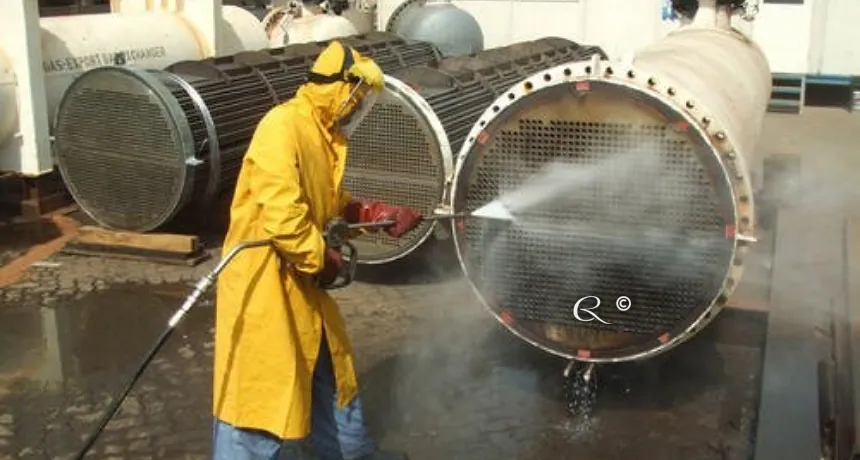
Tank Cleaning
The storage tank emptied and cleaned, where sediment has settled on the floor.
Oil Analysis
Testing through an NABL-accredited partner laboratory, with the particle count checked at site.
Industrial Oil Filtration
Plant oils cleaned on site, with the machines for each contaminant laid out.
Base Oil Filtration
Base oil cleaned of water, dust and carbon particles in the tank.
Cutting Oil Filtration
Neat cutting oil and coolant cleaned on site, to keep tool life and the parts clean.
Oil Management & Purification
All of a plant’s oils tested and treated on a schedule.
Contaminants in our chemical mix were causing end-product failures. Their deep filtration not only salvaged the batch but also restored consistency to our entire production line.
Ask About Industrial Chemicals Filtration
Tell us the chemical, the volume and the problem. “Not sure” is a fine answer; we will ask follow-up questions.
Request received. Your reference is {ref}. We reply during office hours, Monday to Saturday, 9.00 am to 5.30 pm. For a breakdown or a plant shutdown, call +91 99400 49505 at any time. Nothing is booked or ordered until we confirm scope, availability and terms in writing.Prefer to talk? Call +91 99400 49505 or WhatsApp us.

Schedule a Plant Walkthrough
Our team can come to your site to see the system and the oil, take a sample if needed and tell you what it needs.
Request an Assessment
Get Expert Advice for All Your Oil and Pipeline Needs
Call or WhatsApp an engineer, or send the oil type, the volume and the problem. We reply with a method and anything else we need from you.
WhatsApp +91 99400 49505