
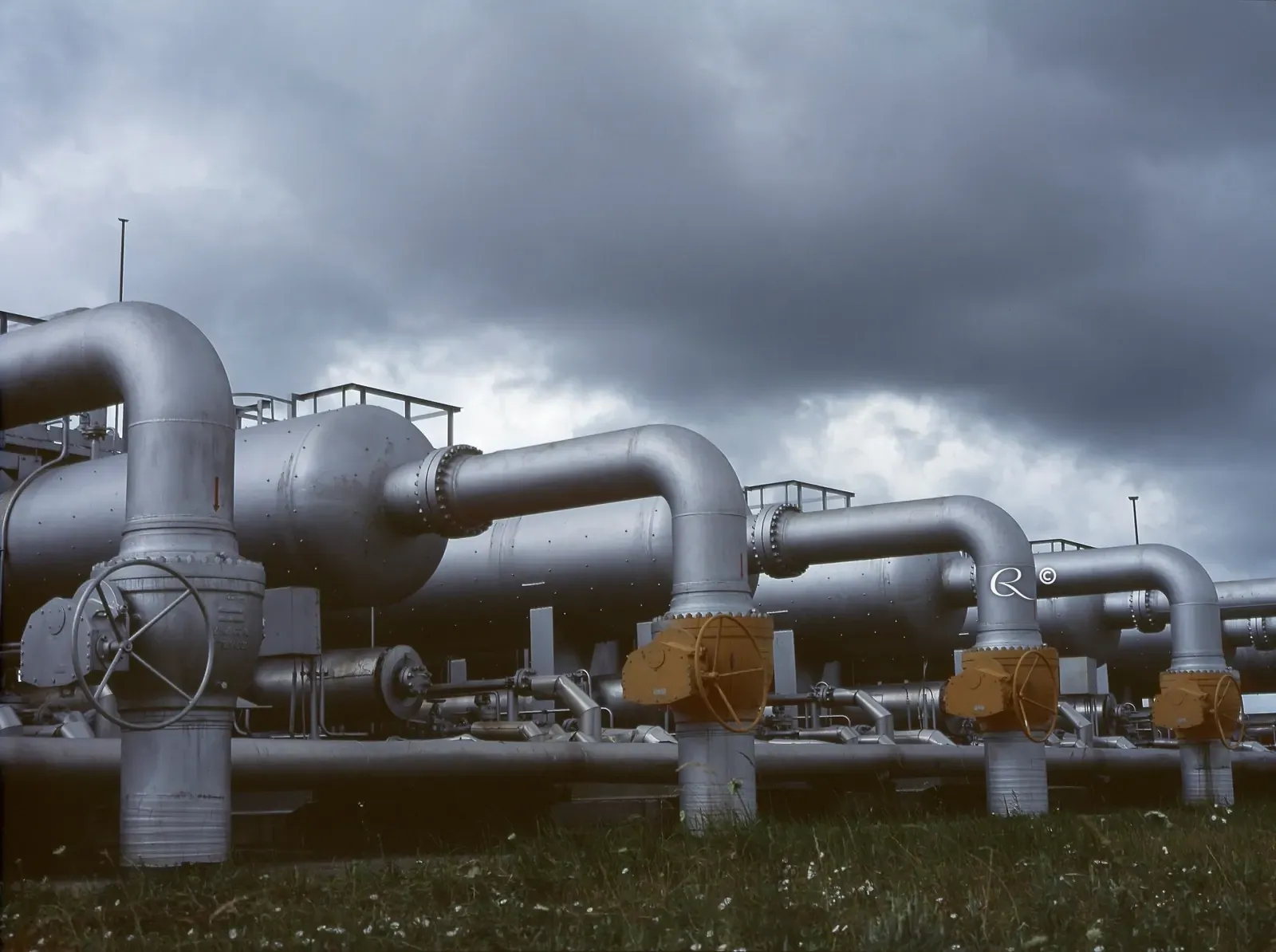
Protective Coatings
Coating work for tanks, pipelines and vessels, planned around the surface, its contents and its condition. Tell us the job; the quotation states who does it.
The problem
When a Coating Lets Go
Bare carbon steel (CS) rusts wherever air and moisture reach it, and a coating works by keeping them off. So it shows first at the weak places: rust spots at welds, edges and bolt heads, paint that blisters or flakes, and rust creeping under a coat that still looks whole.
Most early coating trouble starts with what lay under the coat, not with the coat itself: oil, salts, rust or loose old paint left on the steel. That is why preparation takes so much of a coating job, and why the choice of coating cannot be made from the surface alone. It also depends on what the tank or line holds, how hot it runs and what surrounds it.
Where It Is Used
- Storage tanks: the outside of shells and roofs, and the inside, where the stored product or water would attack the metal.
- Pipelines: above-ground lines and pipe racks exposed to weather or to a plant’s fumes.
- Pressure and process vessels: outside surfaces, and inside surfaces where the vessel’s service calls for a lining.
How Coating Work Generally Runs
This is general practice; the coating maker’s data sheet and your plant’s specification come first. The quotation lists the steps included in your job.
Look at the Job
The metal, what it holds, its running temperature, the air around it, the state of any old coating, and how the surface can be reached.
Clean and Prepare
Oil, grease and salts come off first, then rust and loose coating, by the method and to the profile the coating system requires, whether blasting or power tools.
Apply the Coats
Primer and further coats go on a clean, dry surface, in the conditions the data sheet allows, including surface temperature and condensation risk. Recoating intervals, and the cure needed before exposure to the stored product, follow the coating system’s instructions.
Check the Result
A look over the finished surface, and tests where the specification asks for them, such as the dry coat’s thickness, or a search for pinholes in an inside lining.
What Your Site Provides
Coating work leans on the plant for these points; the quotation lists which apply to yours.
- Work permits, gate passes and access to the surfaces, including any scaffolding the quotation leaves to you.
- Isolation and lock-out of the tank, vessel or line, and emptying and cleaning before work starts inside it.
- For work inside: confined-space clearance, atmosphere testing and suitable ventilation during application and curing, under your plant’s procedure.
- Electric power near the work, where the method needs it.
- Disposal of old coating, blast waste and empty containers through your plant’s waste route.
Questions Buyers Ask
Who does the coating work?
The quotation states who does the work and the coating proposed, so you know both before you place an order.
Which coating do I need?
That depends on the metal, what the surface holds or carries, its temperature and its surroundings. Your plant’s specification and the coating maker’s data sheet come first; if you have neither, tell us what the surface holds and we say what we can and cannot take on.
Can a new coat go over the old one?
Only if the old coat is still sound and the new one suits it. Flaking or rusting areas have to come back to a clean surface first, and the data sheet says what the new coat can go over.
What should I send for a quote?
What the surface is (tank, pipeline or vessel, inside or outside), its metal and rough size, what it holds, its running temperature, photos of its present state, any specification you follow, and your shutdown dates. Approximate is fine.
How long does a job take, and how is it priced?
It depends on the area, the surface’s condition, the coating and the access, so we quote for each enquiry.
Related Services
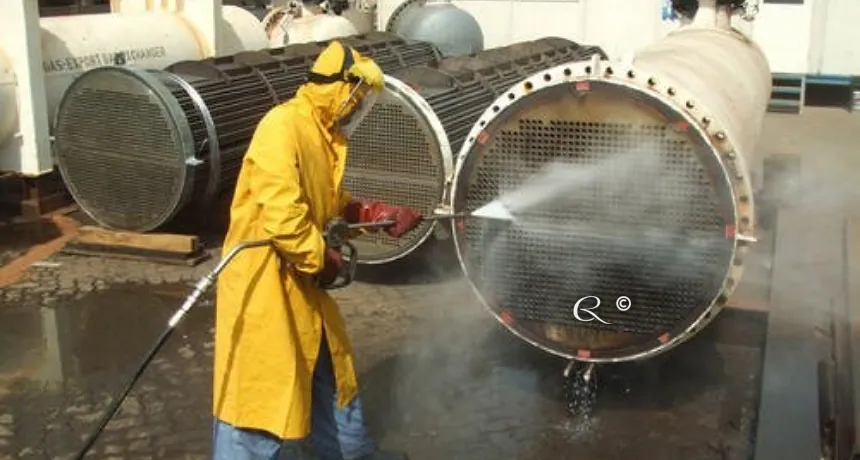
Tank Cleaning
Sludge, water and scale taken out of oil, fuel and chemical storage tanks, with or without entry as the tank allows.
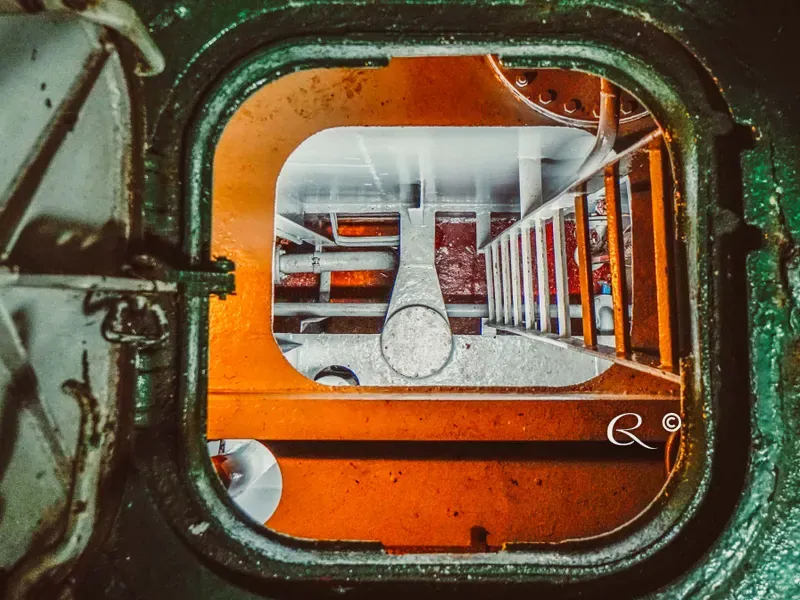
Tank Pickling, Passivation & Degreasing
Stainless and carbon steel tanks of 50 litres to 300 KL (300,000 litres) degreased, pickled where heat tint, scale or rust needs it, and passivated.
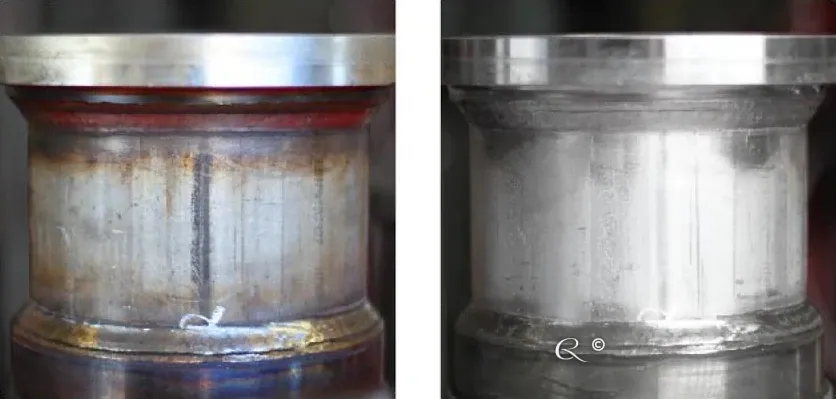
Pipeline Pickling & Passivation
Acid pickling to remove weld oxide and scale, then passivation to restore corrosion resistance, on installed piping.
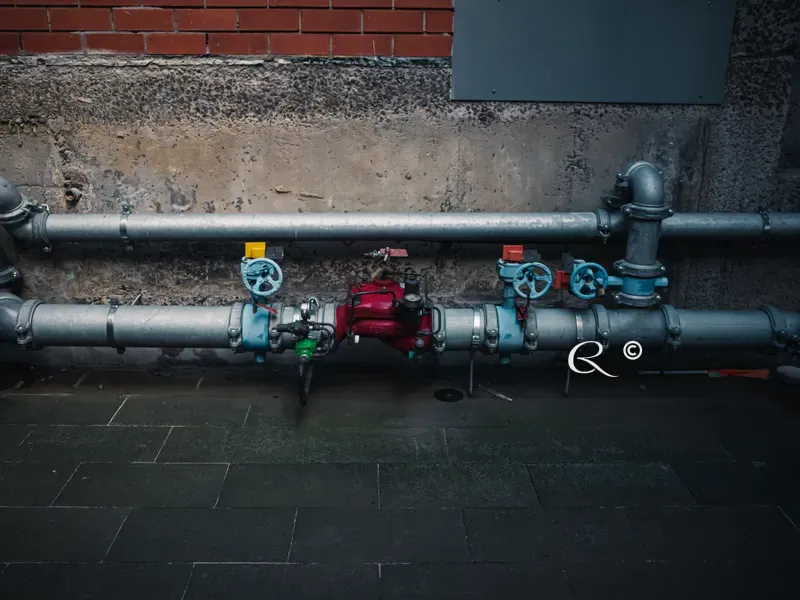
Pipeline Flushing
Scope review for new or serviced hydraulic and lube oil systems.
Ask About Protective Coatings
Tell us about the job. “Not sure” is a fine answer; we will ask follow-up questions.
Request received. Your reference is {ref}. We reply during office hours, Monday to Saturday, 9.00 am to 5.30 pm. For a breakdown or a plant shutdown, call +91 99400 49505 at any time. Nothing is booked or ordered until we confirm scope, availability and terms in writing.Prefer to talk? Call +91 99400 49505 or WhatsApp us.

Plan Coating Work Into Your Shutdown
Preparation, access and service conditions set what the job needs from a shutdown, and an inside lining normally needs the vessel emptied, cleaned and made safe. Give us your stop dates and the surfaces on your list, and we will reply on what fits.
Ask About Your Job
Send Photos of the Surface
Call or WhatsApp an engineer, or send photos of the surface and any old coating, with your plant’s coating specification if you have one.
WhatsApp +91 99400 49505