
Oil Centrifuge AMC
Ram Engineering services the oil centrifuge you own, of any make, on an annual maintenance contract (AMC): a visit every quarter and two breakdown visits a year.
Since 1993Over 33 years of experience
- 13,100 litresThe job was invoiced in June 2026 for 13,100 litres of hydraulic oil purified, with the tank cleaning.
What to Send for an Offer
To start, send us:
- The machine: make, model and serial number, or a photo of its nameplate.
- The oil it cleans, and how much is in the system.
- Running hours and the date of the last service, if you have them.
- What you see: noise, vibration, leaks or oil that comes out dirty.
- For our centrifuge at your plant: the oil and the litres a month. Send photos on WhatsApp to +91 99400 49505 or by email to [email protected].
What an Oil Centrifuge Does, and What Wears
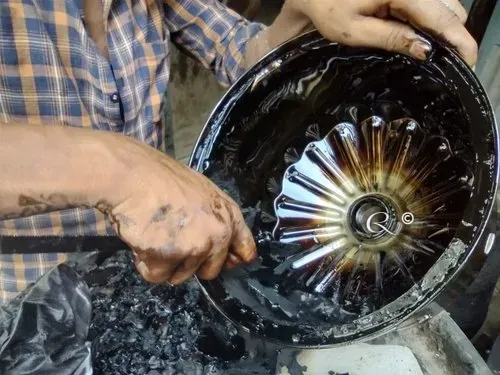
An oil centrifuge (also called a separator or purifier) spins oil in a bowl fast enough to throw water and solid dirt, which are heavier than the oil, to the outside, while the cleaner oil leaves from the centre. In most machines, stacked discs inside the bowl give the dirt a short way to settle. In many machines the sludge stays in the bowl until someone opens it and cleans it out; self-cleaning (sludge-discharging) separators release it automatically at set intervals, so the cleaning routine depends on the model.
So a centrifuge takes out sludge, free water and solids. Heating thins the oil, so water droplets and dirt move outward through it faster, but a centrifuge does not take out water dissolved in the oil, or the finest varnish; for those a vacuum or an electrostatic machine follows. How far it separates an emulsion depends on how stable the emulsion is, the oil, the temperature and the machine, and a stable emulsion may pass through. The bowl turns thousands of times a minute, which is why its condition matters: sludge packed unevenly, a tired bearing or a seal that no longer holds shows first as vibration, noise or dirtier oil.
Signs a Centrifuge Needs Attention, and What They Usually Point To
The bowl, the seals and the drive each show their wear in a different way, and only an inspection confirms which. If the machine vibrates harder than usual or leaks, stop it by the maker’s shutdown sequence and have it looked at.
| What you notice | What it usually points to |
|---|---|
| More vibration or noise than before | Sludge packed unevenly in the bowl, bowl parts put back out of order after cleaning, a worn bearing, or a fault in the sludge-discharge mechanism of a self-cleaning model |
| Oil leaves the machine still dirty or wet | A bowl full of sludge, a worn seal, settings that no longer suit the oil’s temperature and flow, or a stable emulsion the machine cannot break |
| Oil or water leaks from the bowl cover or an outlet | Worn or hardened seal rings and O-rings, or a damaged sealing face |
| Oil in the drive housing looks milky or dark, or its level falls | On gear-driven machines, water or wear in the drive’s oil bath, or a leaking seal |
| Gauge readings that do not match the real flow or temperature | A failed gauge or sensor: the machine may be running outside its settings without your knowing |
Your Centrifuge, or Ours: The Two Contracts
Choose by what you own. If you have a centrifuge, the first contract keeps it in order through the year and finds trouble while it is small. If you have none, or would rather not run one, the second puts ours at your plant, and our team runs it on dates agreed with you. To begin, send the details above. We can visit your plant to see the centrifuge and the oil, and the offer then sets out the scope and the dates.
How Our Own Centrifuge Cleans Your Oil
Our centrifuge works with a heater. The oil is heated as it is filtered, to a temperature that suits the oil, and at that lower viscosity the centrifuge separates water droplets, sediment and carbon particles more readily. Water dissolved in the oil stays with it: where the oil has to be drier, an LVDH vacuum dehydration machine, which we also run, takes over, and a test shows the result.
Oil that arrives about half water, a state that often follows a heat exchanger failure, is a case we have recovered. Tell us how wet or dirty your oil is and what you think caused it; the offer then says whether the centrifuge alone will do or an LVDH machine should follow.
Maintenance of Your Own Centrifuge
We maintain the centrifuge you own, whatever its make, under a contract valid for 12 months.
The contract covers 4 preventive maintenance visits a year, one each quarter. On each visit we inspect, calibrate and clean the unit and its parts, and test that it works.
It also covers 2 emergency or breakdown visits within the contract, and minor adjustments and troubleshooting during the visits.
Spare parts, consumables and major replacements are charged extra, at actuals.
Filtration With Our Centrifuge at Your Plant
We filter your oil at your plant with our own centrifuge. You commit to a volume of oil, for example 4,000 litres a month.
You give us a place at your plant to keep our machine, and a working space for our team.
Our team comes on the agreed dates and carries out the filtration.
What We Check on Each Visit
On each preventive maintenance visit we inspect, calibrate, clean and test the unit and its parts, for example:
- The bowl opened and cleaned of sludge, or the discharge mechanism checked on a self-cleaning model
- Seals and O-rings checked for wear
- Hoses, connections and the pump checked for leaks
- Gauges and settings checked and calibrated
- A test run on your oil, with minor adjustments and troubleshooting
Between Our Visits
Your manual sets the intervals. These habits help your operators catch trouble early:
- Keep a log of running hours, feed temperature and flow, and any noise, vibration or leak.
- Watch the outlets: cloudy oil, or dirt in it, means the bowl needs cleaning, the oil holds an emulsion the machine cannot break, or something is wrong.
- Never open the bowl while anything is turning. Follow the maker’s shutdown sequence: isolate and lock out the electrical supply, check that stored electrical energy has discharged, wait until the rotor has stopped completely (a bowl can take many minutes to coast down, and the manual gives the time), and release any pressure before opening.
- Match-mark the bowl parts as the manual directs, and refit them in order: parts refitted wrongly can unbalance the bowl.
- Stop a machine that shakes or leaks, by the maker’s shutdown sequence, and call us: that is what the two breakdown visits are for.
Case study
Hydraulic Oil Cleaned With Our Own Centrifuge at a Plant in Hosur
The situation. A plant at Hosur, in Krishnagiri district, Tamil Nadu, needed sediment, water and carbon particles taken out of its hydraulic oil, 13,100 litres in all, and its hydraulic oil tank cleaned. The work was to be done at the plant, by a team that came to it.
What we did. We brought our own centrifuge to the plant. The oil was heated as it was filtered, so it ran thinner and the centrifuge threw out water droplets, sediment and carbon particles more readily. Water dissolved in oil would have needed a vacuum dehydration step; this job used the centrifuge method alone. The tank was cleaned too.
The result. The job was invoiced in June 2026 for 13,100 litres of hydraulic oil purified, with the tank cleaning. It was a job, not a contract, and no AMC is on record for it. We hold no test report for it, so no cleanliness figure is given.
Where: Hosur, Krishnagiri district, Tamil Nadu, 2026.
Where We Have Done This
Our centrifuge AMCs, by place:
- Karur, Tamil Nadu
- Karnataka
- Pondicherry
What Your Site Provides
Our past offers put these in the customer’s scope; your offer confirms them.
- Visits to your centrifuge: entry, permits and gate passes; the machine isolated and locked out before we open it; power for the test run, and your oil to run it on.
- Sludge: disposal of the bowl sludge and any waste oil through an authorised recycler.
- Our centrifuge at your plant: a place to keep it, power for it, a working space for our team and the oil you committed to.
- For jobs outside Chennai, travel and stay for our team are included in the quote.
Centrifuge Work on Our Records
Our invoices from 2026 show oil cleaned with our own centrifuge at plants in Tamil Nadu and Andhra Pradesh: hydraulic oil, heat transfer fluid and diesel. Those were jobs, not contracts. In October 2024 we quoted two days of work on an oil mill’s centrifuge in Tamil Nadu, with replacement parts (a paring disc, a level ring, seal rings and a sight glass among them) and a charge for a complete overhaul. That was a quotation, not a completed job.
Questions Buyers Ask
Do you maintain any make of centrifuge?
Yes. We maintain the centrifuge you own, whatever its make. Send its make, model and serial number when you enquire.
Are spare parts included?
No. Parts such as seal rings, O-rings, bearings or bowl parts, other consumables and major replacements are charged extra, at actuals. The visits, minor adjustments and troubleshooting are part of the contract.
What do we provide for filtration with your centrifuge?
A place at your plant to keep our machine, and a working space for our team. You commit to a volume of oil, for example 4,000 litres a month, and our team comes on the agreed dates.
How often does the bowl need cleaning?
That depends on how much sludge the oil carries and how the machine is run, so there is no single figure. Follow the manual and watch the outlets. On our contract the unit and its parts are cleaned on each planned visit; for a bowl that is cleaned by hand, that means opening it and removing the sludge.
Does the contract replace the maker’s overhaul schedule?
No. Makers set service intervals for a centrifuge, usually in running hours, with a larger overhaul at the longer ones. The quarterly visits keep your machine in order between overhauls. The parts an overhaul needs are charged at actuals, like all spare parts.
Can a centrifuge dry my oil?
On its own, a centrifuge takes out sludge and free water, and some emulsified water, depending on how stable the emulsion is, the oil, the temperature and the machine. Ours works on heated oil, as described above. Where the oil must be drier, we add an LVDH vacuum dehydration machine. Tell us what you know about the water in your oil.
Is oil testing included?
Oil tests are not part of the contract scope. For particle counts or laboratory results beside the visits, say so in your enquiry; we test through an NABL-accredited partner laboratory.
How is the contract priced?
Prices depend on the machine and the kind of contract, so we quote for each enquiry.
Where We Work
Tamil Nadu
Telangana
Kerala
Andhra Pradesh
Odisha
Delhi NCR
Rajasthan
Jharkhand
Uttar Pradesh
West Bengal
Punjab
Chhattisgarh
Related Services
LVDH AMC
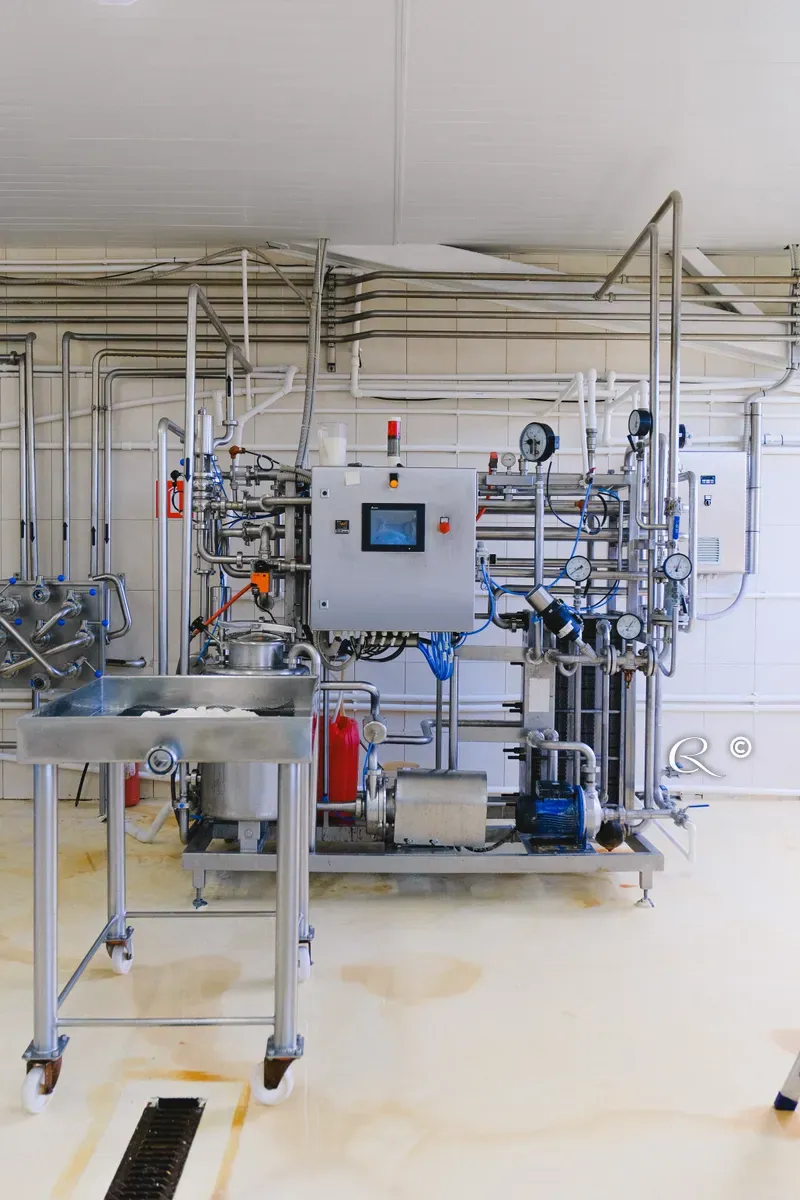
A yearly contract for the vacuum dehydration machine, which dries oil further than a centrifuge can.
Electrostatic Oil Cleaner AMC
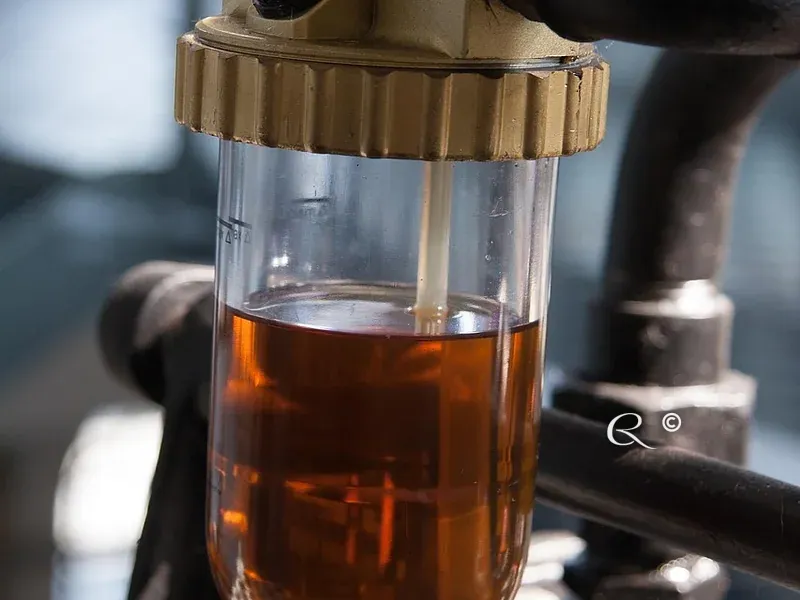
The same kind of contract for the electrostatic machine that collects fine dirt and varnish a centrifuge leaves.
Oil Management & Purification
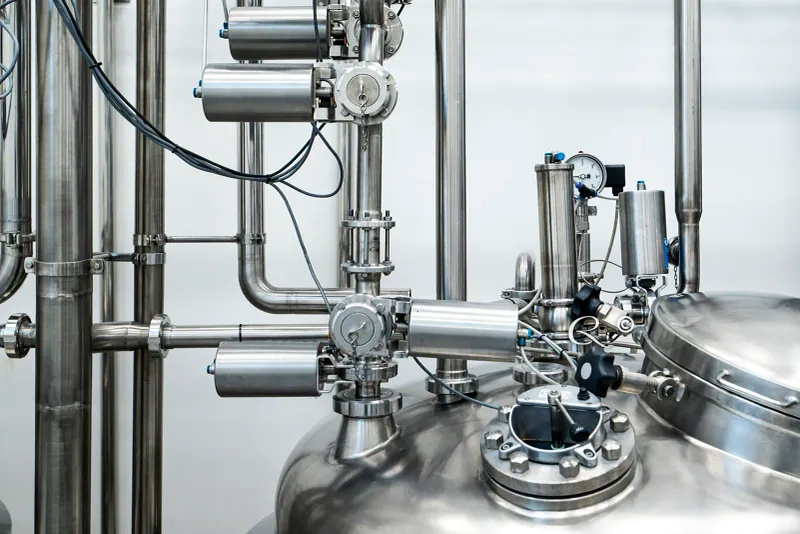
A plant oil programme: the oil tested first, then a centrifuge, vacuum or electrostatic machine chosen by the result.
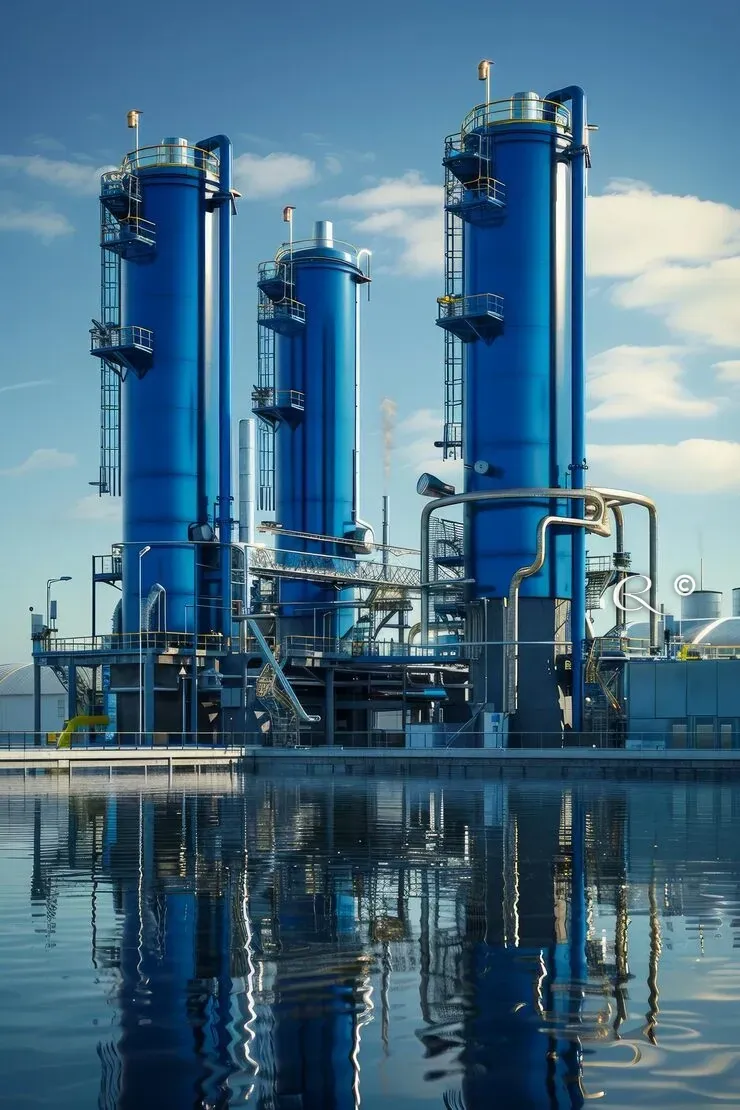
Industrial Oil Filtration
Plant oils filtered on site by the machine each one needs, a centrifuge among them.
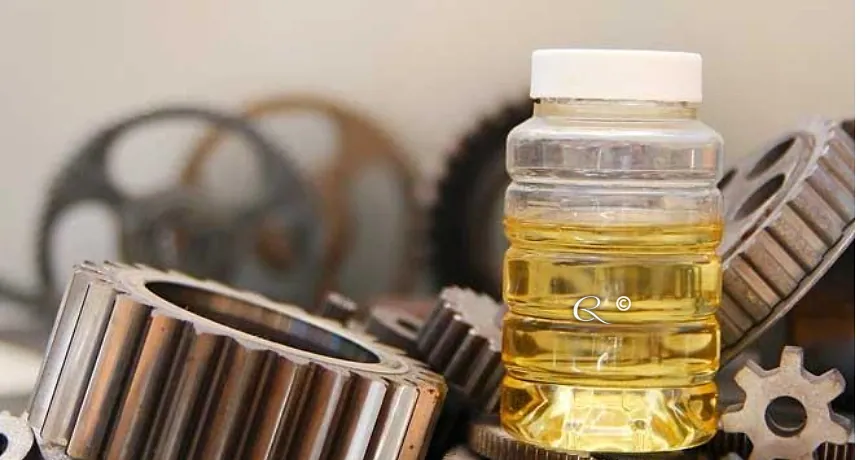
Oil Analysis
Particle count, water and oil condition tested, to show what a centrifuge should be taking out.
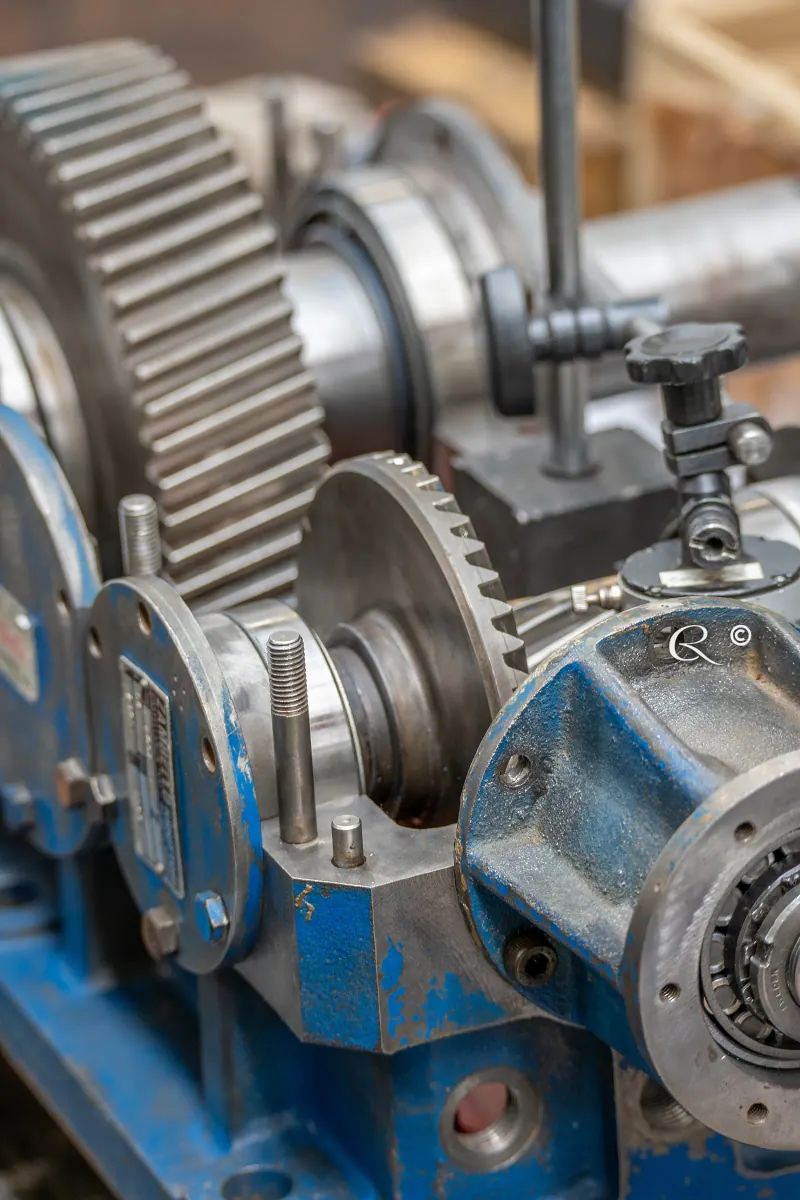
Lube Oil Filtration
Gear and bearing oil cleaned and dried at your site, so it can go back into service.
Ask About a Centrifuge AMC
Tell us the machine you own and the oil, or, for filtration with our machine, the oil and the volume each month. “Not sure” is a fine answer; we will ask follow-up questions.
Request received. Your reference is {ref}. We reply during office hours, Monday to Saturday, 9.00 am to 5.30 pm. For a breakdown or a plant shutdown, call +91 99400 49505 at any time. Nothing is booked or ordered until we confirm scope, availability and terms in writing.Prefer to talk? Call +91 99400 49505 or WhatsApp us.

Schedule a Plant Walkthrough
Our team can come to your site to see the machine and the oil, and tell you which kind of contract suits your plant.
Request an Assessment
Get Expert Advice for Your Centrifuge AMC
Call or WhatsApp an engineer, or send the centrifuge make and model, the oil and the volume. We reply with a scope and anything else we need from you.
WhatsApp +91 99400 49505