
The problem
When a Good Part Wears in One Place
A shaft can be sound along its length and still be scrap at the one place a seal runs on it. A valve can leak because one sealing face has worn. The rest of the part has plenty of life, yet a new one may be costly or slow to get.
A repair coating is worth considering in that case: only the worn surface is treated, and the part keeps its original body.
What Thermal Spray and HVOF Are
In thermal spray, a coating material is heated, as a powder or a wire, and thrown at speed onto a prepared surface. It lands in thin splats that build up, pass by pass, into a coating.
HVOF stands for high velocity oxy-fuel. It burns a fuel with oxygen under pressure and drives a powder out of the gun at very high speed. Carbide and metal alloy powders are common choices, picked for the wear or corrosion the surface meets.
Other thermal spray processes use an electric arc, a flame or a plasma. Which process and which material suit a part is settled for that part, and the quotation names them.
Wear It Is Used Against
Thermal spray is generally considered for these kinds of surface damage:
- Sliding wear. A surface worn by rubbing against a seal, a packing or another part.
- Abrasion and erosion. Metal lost to hard particles carried in a fluid, or to a fast flow.
- Corrosion. A surface attacked by what it carries or stands in, where the damage is not deep. The coating material, its porosity and any sealing must suit the exposure; a sprayed layer is not automatically a sealed barrier.
- Worn fits. A bearing or seal seat that has lost its size, so the fit is no longer tight.
When a Coating Is, and Is Not, the Answer
A coating is a surface layer. It does not bring back the strength of a damaged part, so the first question is what is wrong with the part.
| What you see on the part | What it generally points to |
|---|---|
| Even surface wear at a seal area, a seat or a journal | Often a case for a coating, finished back to size afterwards |
| A crack, at the surface or below it | Not a coating job: the crack needs finding and judging first, and the part may have to be replaced |
| A bent or out-of-true shaft | A coating does not correct this. It requires engineering assessment, and any straightening or other repair must be approved for the part before coating is considered |
| Deep loss of metal | Possibly a weld build-up or a fitted sleeve, with or without a coating over it |
| A surface that takes heavy impact or point loads | A sprayed coating can chip, so another repair may suit better |
| Wear that came back soon after an earlier repair | Find the cause first, or the new surface may go the same way |
General practice; the machine maker’s instructions come first.
How a Repair Generally Runs
This is the usual order of work for a thermal spray repair. The steps for your part are set out in the quotation.
Inspect and Measure
The worn area is measured against the size the part should be, and the part is checked for cracks or bending that a coating would not fix.
Prepare the Area
Where needed, the worn area is machined to a clean, even depth, so that the coating has room to build up and ends in a sound edge.
Mask and Grit Blast
Surfaces that must not be coated are masked. The area to be coated is then grit blasted, because the coating depends on a clean, rough surface to hold on to.
Spray
The coating goes on in passes, soon after blasting, while the temperature of the part is kept under watch.
Finish to Size
A sprayed surface comes out rough and slightly oversize, so it is ground or otherwise finished to the size the part needs.
Check and Return
Size and surface are checked before the part goes back for fitting.
How to Work With Us
No two worn parts are the same, so the work starts with what you can tell us about yours.
- Send the details. The part, its metal, the worn area and its measurements, the machine it comes from, and photos.
- We look at it. We reply on whether a coating looks possible, and we ask for the part’s drawing or a closer look if that is needed.
- The quotation sets it out. Who carries out the coating and where, the process and material, how the part travels, and what is checked before it comes back.
- Your team plans around it. Who takes the part out and who refits it are agreed in the quotation, along with the dates.
Where It Is Used
Across industry generally. Whether we can take on your part is confirmed part by part in the quotation.
- Shafts: pump, fan and gearbox shafts, at seal areas and bearing seats.
- Journals and sleeves: bearing journals, shaft sleeves and wear rings.
- Hydraulic parts: rods and plungers.
- Valves: balls, seats and gates, where the flow or the fluid wears the sealing surface.
- Rolls: process rolls whose surface has worn.
Find Out Why It Wore
A new surface wears out for the same reasons the old one did. Dirty oil, misalignment and vibration all wear shafts and journals, so it pays to look at them when a part comes out for repair. Our oil analysis, oil filtration and vibration analysis services deal with these causes.
Questions Buyers Ask
Is a thermal spray coating the same as welding?
No. A weld fuses with the part. Most sprayed coatings hold by gripping the roughened surface, and the part stays much cooler than in welding. Each has its uses, and some parts need neither.
Can it be done at our plant?
HVOF is generally a workshop process: the part is taken out of the machine and blasted, sprayed and finished in a shop with the right equipment. Tell us about the part and the quotation will say where the work is done.
What hardness or bond strength will the coating reach?
This page gives no such figures, because they depend on the coating, the process and the part. If your drawing or the machine maker asks for a figure, tell us, and we will say in the quotation whether it can be met and how it is to be checked.
What should I send for a quote?
The part and its metal, the worn area with its measurements and the size it should be, the machine and the fluid it runs in, photos, a drawing if you have one, and your shutdown dates. Approximate is fine.
How long does a job take, and how is it priced?
It depends on the part, its size, the wear and the coating it needs, so we quote for each enquiry.
Related Services
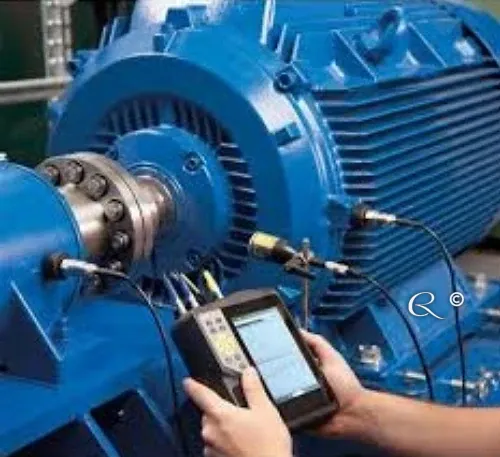
Vibration Analysis With IoT Monitoring
Vibration surveys and IoT sensors that watch rotating machines, so faults are found before they stop production.
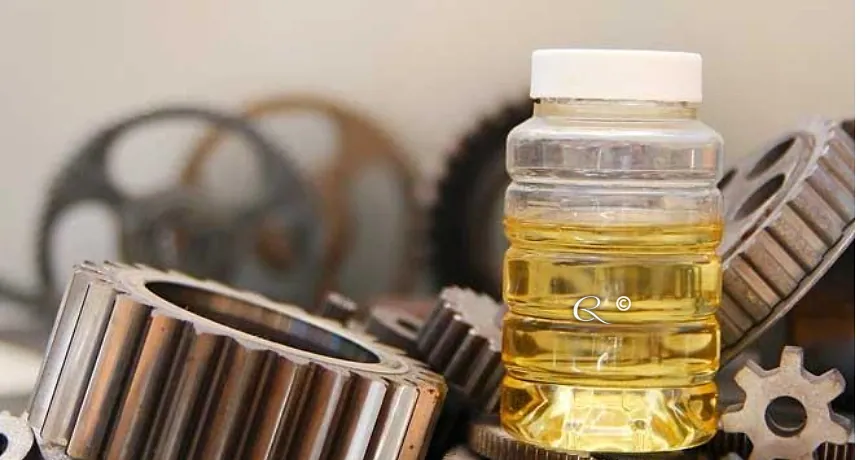
Oil Analysis
Oil tested at our NABL-accredited partner laboratory, with particle count and breakdown voltage (BDV) checks at your site.
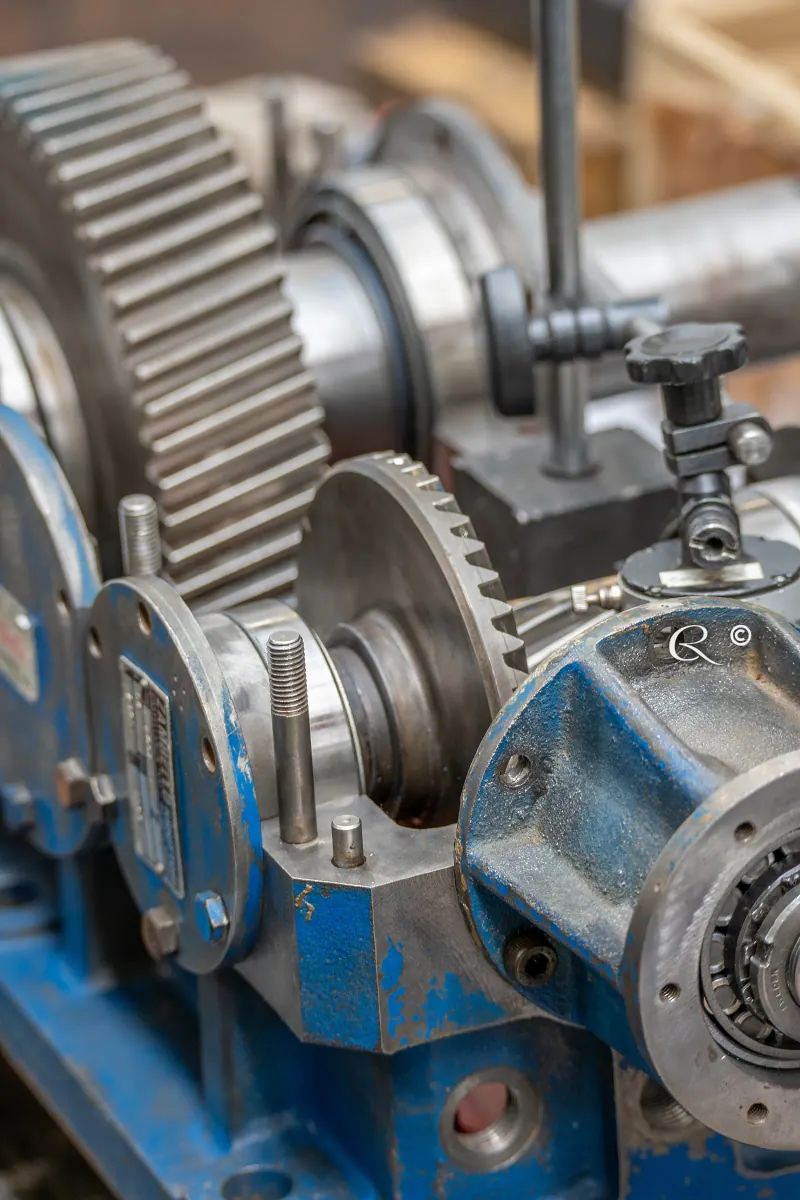
Lube Oil Filtration
Gear and bearing oil cleaned and dried at your site, so it can go back into service.
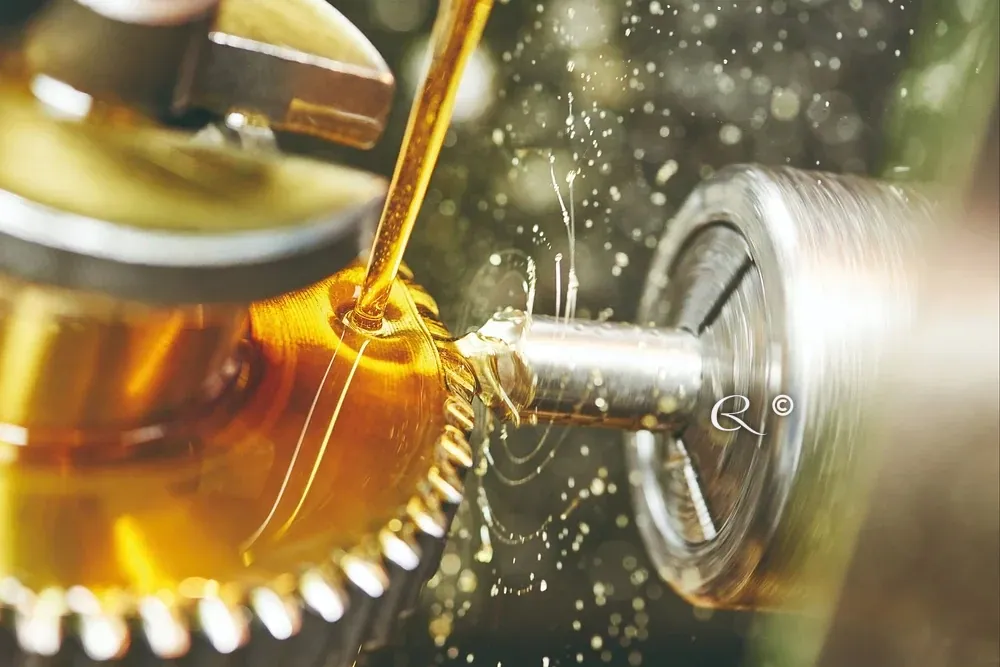
Hydraulic Oil Filtration
Filtered to the NAS or ISO class your pumps and valves need, and checked with our particle counter.
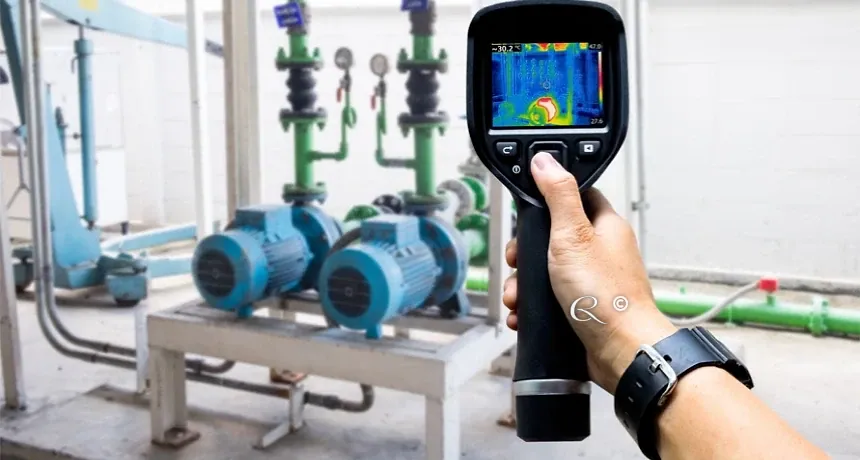
Mechanical Thermography
Infrared checks of bearings, motors, steam traps and refractory, to plan repairs before a breakdown.
Ask About Thermal Spray Coatings
Tell us about the job. “Not sure” is a fine answer; we will ask follow-up questions.
Request received. Your reference is {ref}. We reply during office hours, Monday to Saturday, 9.00 am to 5.30 pm. For a breakdown or a plant shutdown, call +91 99400 49505 at any time. Nothing is booked or ordered until we confirm scope, availability and terms in writing.Prefer to talk? Call +91 99400 49505 or WhatsApp us.

Plan the Repair Around Your Shutdown
A part sent for coating is out of the machine for the whole job. Tell us your shutdown dates early, so the timing can be talked through before the part comes out.
Ask About Your Part
Not Sure a Coating Is the Answer?
Call or WhatsApp an engineer with photos of the worn area and its measurements. We tell you if a coating looks possible, or if the part needs something else.
WhatsApp +91 99400 49505