
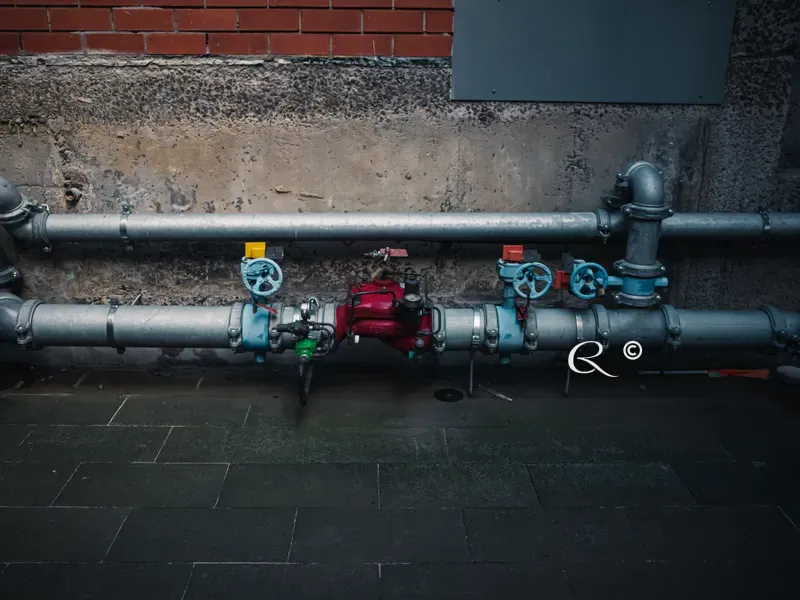
Nitrogen Purging and Pre-commissioning
Nitrogen purging replaces the atmosphere in selected lines or systems; displacing leftover liquid is planned separately. On site, across India, from Chennai.
The problem
What Is Left Inside a Line Matters at Start-Up
A finished pipeline is not an empty one. It holds air from the day it was closed up. It may hold cleaning liquid after a flush, old oil after years of service, or the last of a gas that was running in it. Any of these can spoil what goes in next, and some of them are a danger when a line is opened or a flammable gas is let in.
Purging replaces the atmosphere in a line with clean, inert gas; displacing liquid left in it, where appropriate, is a separately planned operation. Nitrogen is the usual choice because it does not burn and does not support burning, and plants can get it as cylinders or from a bulk supply. It is supplied to the agreed purity and moisture requirements, because being nitrogen does not by itself settle dryness, oxygen content or oil cleanliness.
What Nitrogen Purging Is Used For
A purge is planned around what has to come out of the line, and what goes in next:
- Between cleaning stages. New pipework, after chemical cleaning, rinsing, draining and a first flush, ahead of the staged oil flushing.
- Displacing leftover oil. A separately planned step: residual hydraulic oil displaced from suitable isolated pipe sections before a change-over, so that less of it mixes with the new oil.
- Clearing air. Air taken out of a line or vessel before it receives a gas or fluid that should not meet oxygen.
- Clearing gas. Gas that remains in a line displaced before the line is opened for work.
Where Purging Sits in Pre-commissioning
Pre-commissioning is the work between finishing an installation and starting it up. The order is selected for each system, and the quotation sets it out. One illustrative sequence for new hydraulic or lube oil pipework:
- Degreasing or chemical cleaning, to take out oil, grease, scale and fouling left from fabrication.
- Pickling and passivation, where the metal needs it.
- Rinsing, draining and a first flush, to carry away what the cleaning has loosened, verified before the next stage.
- Nitrogen purging, where the system calls for it, to replace the atmosphere in the line. It does not stand in for the rinsing, draining and checks before it.
- Staged oil flushing, with an oil cleanliness check at the end of each loop.
- Hand-over to commissioning, with the openings capped until the system is started.
How a Purge Is Planned and Done
Which of these steps a job needs depends on the line and on what has to come out; the quotation sets them out for your job.
Read the Line First
The drawings, what the line last held, its material and its design pressure. Valves, instruments and low points that would trap liquid are marked before anything is connected.
Isolate
The line or system is isolated and locked out under your permit, and any pressure in it is released slowly, so that the purge reaches only the section it is meant for.
Choose the Inlet and the Discharge
Nitrogen should sweep the whole section, not take a short cut. Discharge is routed to an assessed safe collection, treatment or vent system suitable for the displaced contents; open air alone does not make a discharge safe.
Feed the Nitrogen
Either a steady flow from inlet to vent, or filling the line and venting it in repeated cycles. The method and the pressure are chosen for the line, and the temporary supply has suitable pressure control and protection for the weakest included component.
Check the End Point
The purge goes on until the acceptance criteria agreed in the quotation are met. The criteria and the sampling locations depend on the purpose, such as atmosphere composition or moisture. Stopped liquid flow does not prove that trapped liquid, oxygen or hazardous gas is absent, and a set time alone says little.
Close and Hand Over
The line is closed or capped, or passed straight to the next stage. If it stays under nitrogen, it is tagged as such, so that nobody opens it unwarned.
What Is Agreed Before the Job
A purge is only as good as what it was set to achieve. These points go into the quotation for each job.
| Point | What is settled |
|---|---|
| The section | Which lines or systems, their sizes and lengths, and where each section starts and stops |
| What comes out | The air or gas to be replaced, any liquid to be displaced as a separate step, and where it is collected |
| What goes in next | The oil, gas or fluid that follows, which decides how clean or dry the line must be |
| The nitrogen | Who supplies it, its purity and moisture requirements, and how it is connected at site |
| The end point | The acceptance criteria, the sampling locations, and who witnesses the check |
| Other tests | Any dryness target or leak test you need, listed separately, with your specification |
Nitrogen Can Suffocate
Nitrogen has no smell and no colour, and a person breathing it gets little warning before collapsing. So discharge locations, exclusion areas and atmospheric monitoring are set by the risk assessment. A nitrogen purge does not make a vessel safe to enter: ventilation and atmospheric testing are required under the entry procedure.
Nobody goes inside a pipe or vessel holding nitrogen until your plant’s confined space procedure has been followed and the entry cleared. Any line under nitrogen pressure is treated like any other pressurised line: nobody opens it until its pressure is released.
Where It Is Used
- Hydraulic and lube oil pipework: new or repaired pipe runs of stainless steel or carbon steel (CS) on their way to oil flushing.
- Hydraulic systems of machines: on a machine such as an excavator, suitable isolated pipe sections only, under the equipment maker’s procedure, during an oil change-over ahead of a hot oil flush. Pumps, actuators, accumulators and trapped volumes are not assumed suitable.
- Gas lines: LPG and nitrogen lines, before they go into service or before they are opened.
- Oxygen and nitrogen pipelines: blowing a line out with oil-free nitrogen after it has been cleaned; a purge does not itself establish oxygen-service cleanliness.
What Your Site Provides
We ask the plant to arrange the points below; the quotation confirms each one.
- Work permits, gate passes and access to the lines, the inlet and the discharge points.
- Isolation of each section, with lock-out and tag-out.
- An assessed safe collection, treatment or vent point for the discharge, with its exclusion area kept clear while nitrogen is flowing.
- Handling and disposal of any oil or liquid that comes out, through your plant’s waste route.
From our work
Where We Have Done This
We have done nitrogen purging at a plant in Andhra Pradesh.
Questions Buyers Ask
Why use nitrogen and not plant compressed air?
Compressed air brings oxygen with it, and it can carry oil and water from the compressor. Nitrogen is inert, and it is supplied to the agreed purity and moisture requirements.
Can the same job also dry the line or test it for leaks?
That depends on the agreed purity and moisture of the nitrogen, and it is also used as a test gas. If your job needs a dryness target or a leak test, list it in your enquiry, with your specification, and we tell you what we can take on before we quote.
What else counts as pre-commissioning, and do you do all of it?
It differs by project. Send your list of stages. The degreasing, pickling and passivation and oil flushing services each have their own page here, and we tell you what we can take on before we quote.
Who supplies the nitrogen?
It is agreed for each job and written into the quotation, along with the grade the job calls for.
What should I send for a quote?
The line drawing or a sketch, pipe sizes and lengths, what the line last held, what goes in next, the end point your specification asks for if it names one, and your dates. Approximate is fine.
How long does a job take, and how is it priced?
That turns on how long and how large the lines are, what has to come out of them and the end point you need, so we quote for each enquiry.
Related Services
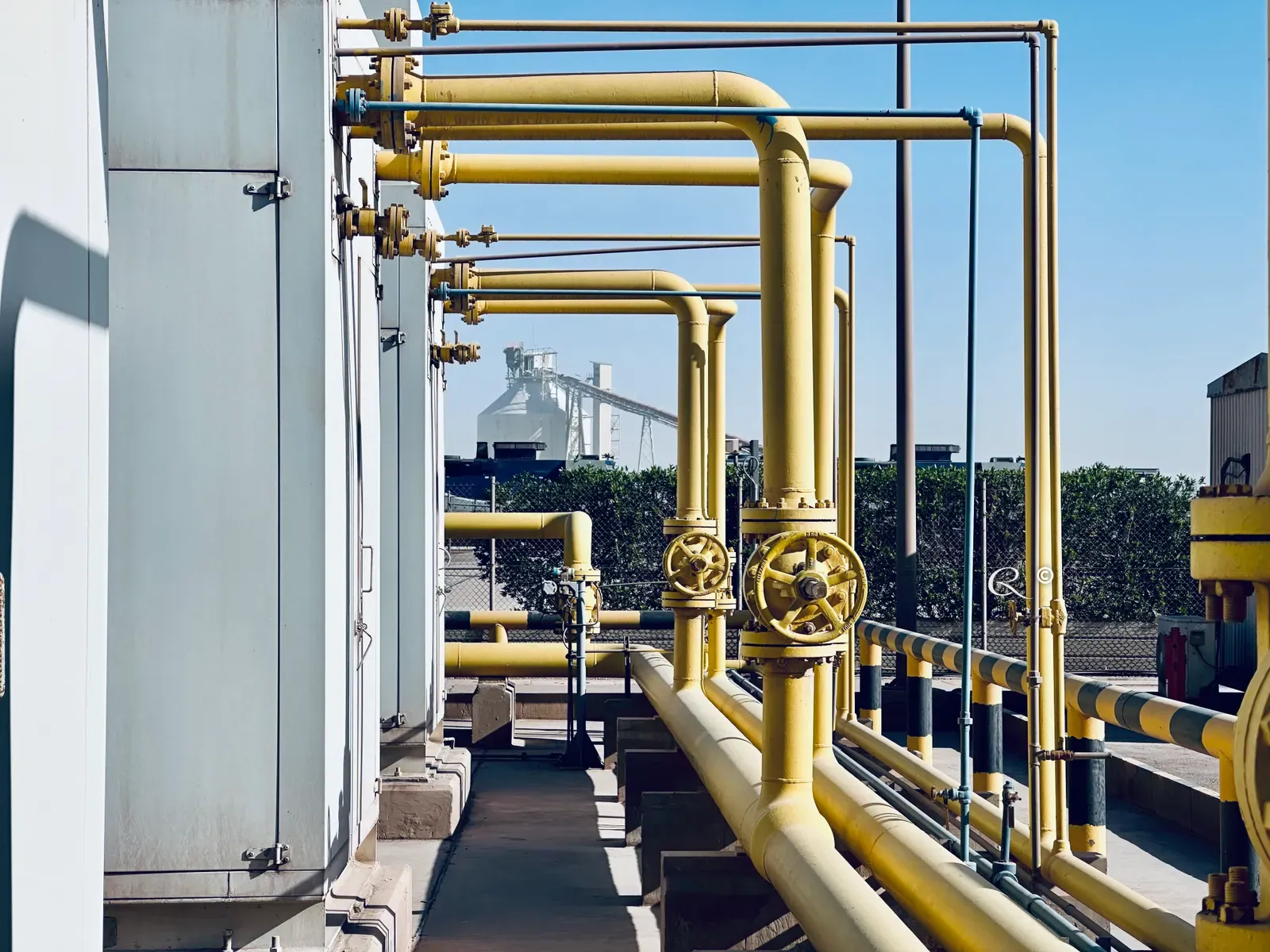
Gas Line Flushing & Oxygen Tank Cleaning
Gas lines flushed to remove moisture, sediment and particles, and oxygen tanks cleaned free of oil and grease.
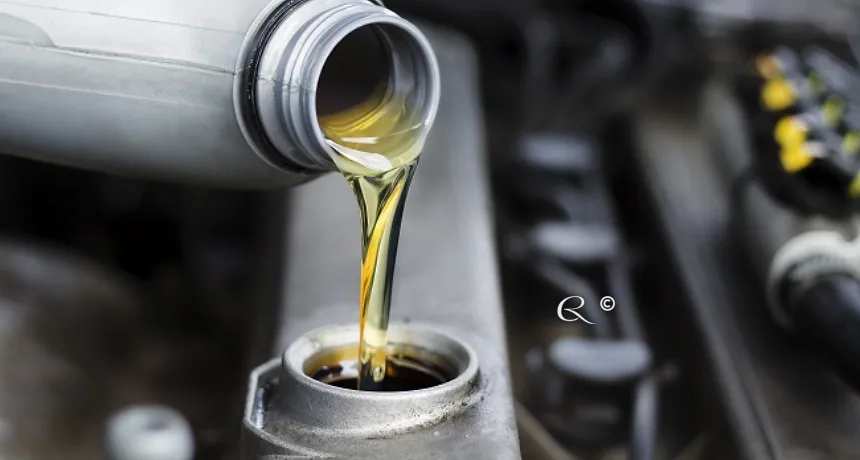
Oil Flushing
Hydraulic and lube oil systems flushed after installation or repair, with our 1,200 litre-a-minute flushing rig and a separate 300 litre-a-minute pump.
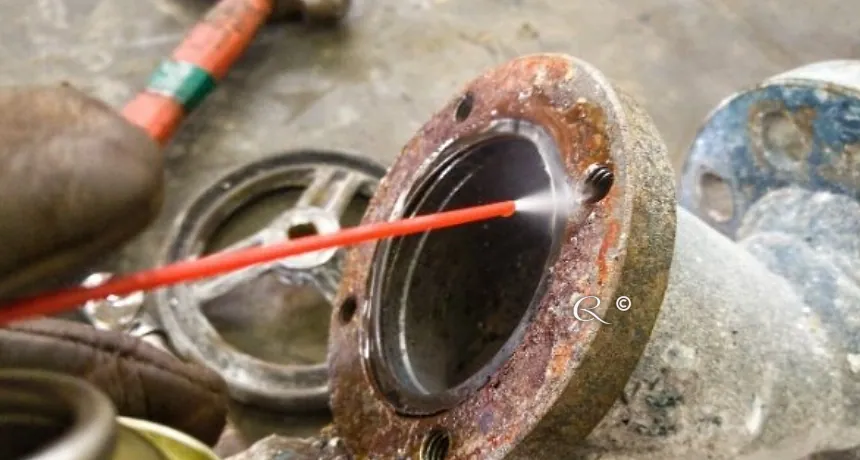
Degreasing of Pipelines
Oil, grease and cutting fluid cleaned out of new and installed pipework before pickling, flushing or start-up; cleaning for oxygen service is a separate service.
Pipeline Pickling & Passivation
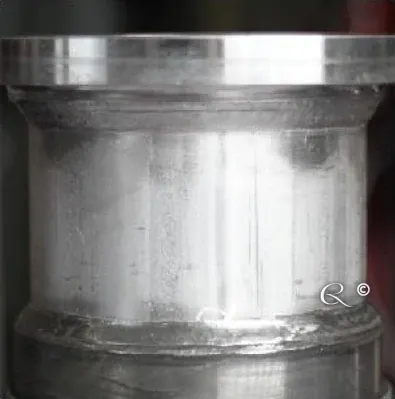
Acid pickling to remove weld oxide and scale, then passivation to restore corrosion resistance, on installed piping.
Chemical Cleaning of Pipelines
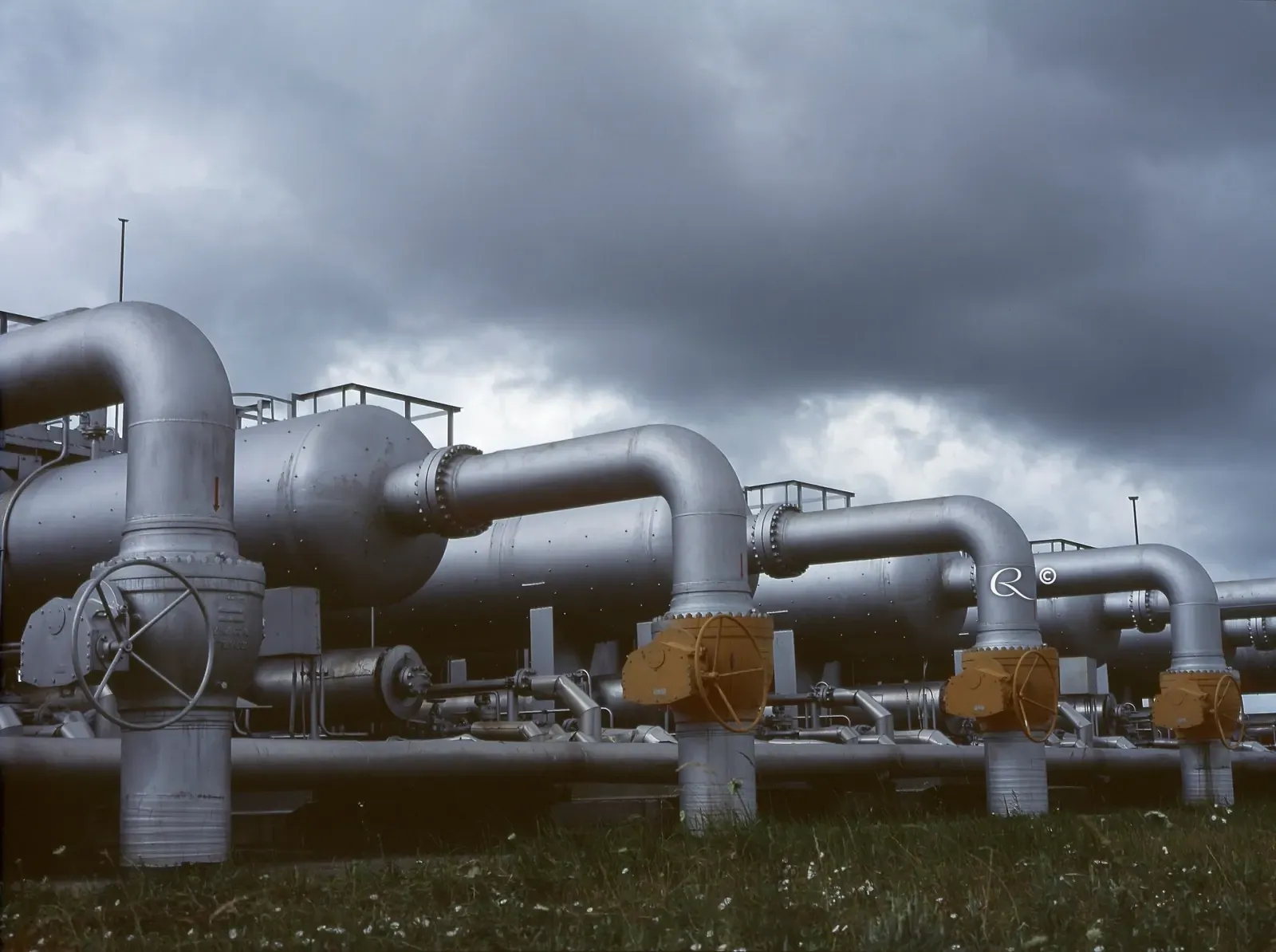
Scale, deposits and fouling dissolved out of process pipelines by circulating the right chemical.
Commissioning
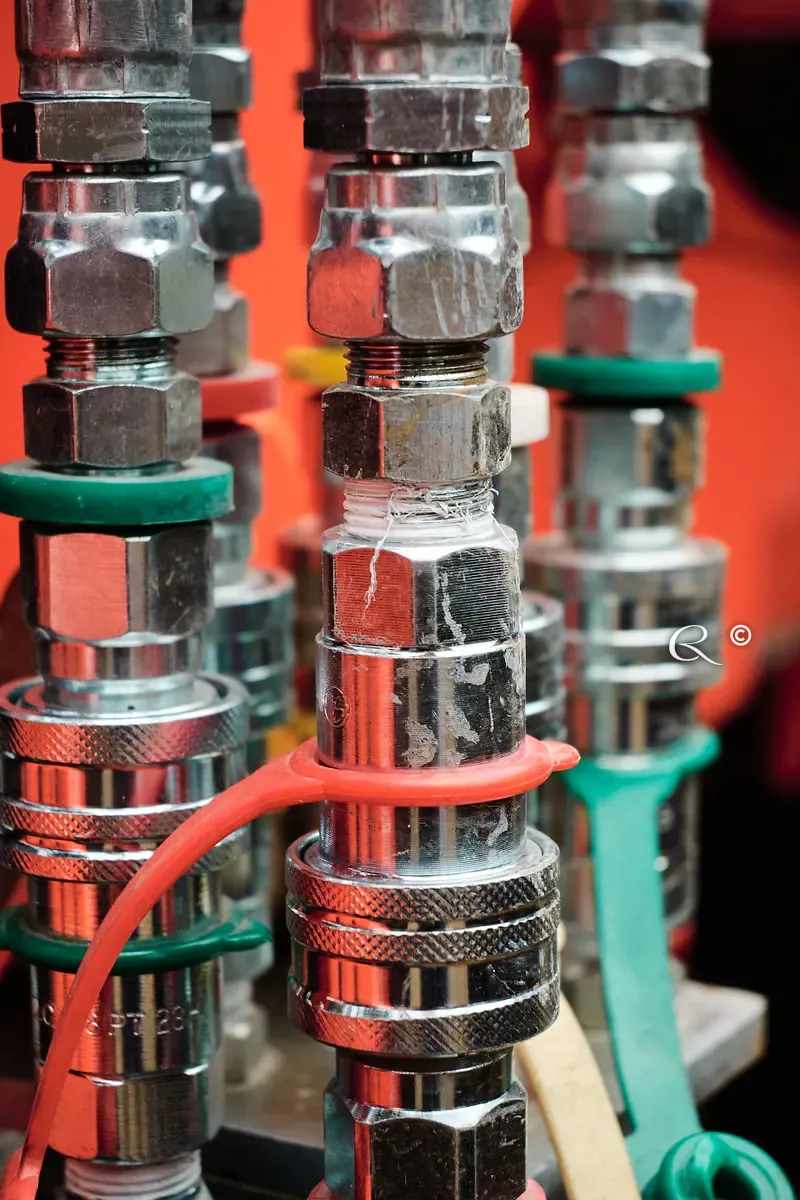
Commissioning of pipelines, machines, heat exchangers and chillers at your plant, from the last checks and cleaning to start-up.
Ask About Nitrogen Purging
Tell us about the job. “Not sure” is a fine answer; we will ask follow-up questions.
Request received. Your reference is {ref}. We reply during office hours, Monday to Saturday, 9.00 am to 5.30 pm. For a breakdown or a plant shutdown, call +91 99400 49505 at any time. Nothing is booked or ordered until we confirm scope, availability and terms in writing.Prefer to talk? Call +91 99400 49505 or WhatsApp us.

Plan the Purge Into Your Start-Up
Send the drawings and scope. We confirm what assessment can be arranged, who carries it out and what the offer includes.
Request an Assessment
Get Expert Advice for Your Line
Call or WhatsApp an engineer, or send the line drawing. We reply with the questions we need answered, and tell you whether a purge is what the job needs.
WhatsApp +91 99400 49505