
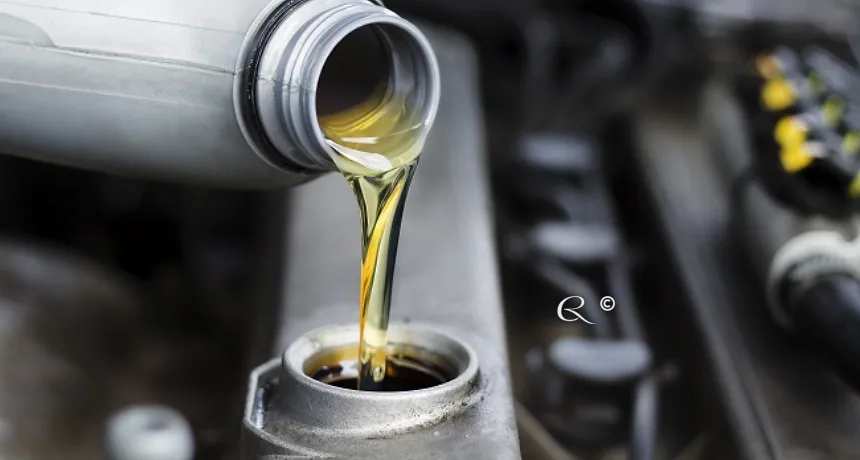
Lubricant Supply
Send the oil grade or the machine, the quantity and the pack. Ram Engineering, based in Chennai, confirms whether we can supply it and sends a quotation.
Choosing a Lubricant: Start From the Machine
The oil has to suit the machine, not the other way round. Its maker’s manual normally gives the oil type and the viscosity grade, and sometimes a specification the oil must meet. The label on the oil now in use is a useful starting reference, checked against the machine’s requirements.
Viscosity is how thick the oil is at its working temperature. Too thin and the film between the metal parts can break down; too thick and the oil drags, runs hotter and may not reach every part when cold. Additives then fit the oil to its job, such as resisting wear, separating from water or standing up to heavy gear loads.
Do not mix two oils, or change from one type to another, until the machine maker or the oil’s maker has said they are compatible. Their additives can react, and some fluids need the system flushed before the change.
Lubricants You Can Ask About
A general guide, not a list of what is on hand. Where we can supply, the quotation states the oil and what it was matched to.
| Oil | Often used in | Tell us |
|---|---|---|
| Hydraulic oil | Power packs, presses and injection moulding machines | The viscosity grade, and whether the system runs on a fire-resistant fluid |
| Gear oil | Enclosed gearboxes | The viscosity grade, and mineral or synthetic, as the gearbox maker asks |
| Turbine and circulating oils | Turbines and the lube oil circuits of large machines | The specification the machine maker gives; these oils must shed water and resist ageing |
| Compressor oil | Air and gas compressors | The compressor type and the gas it handles |
| Quenching oil | Heat treatment of steel parts | The process, the oil temperature and the parts being quenched |
| Cutting oil | Machining | Neat or water-mix, and the metal being machined |
Before You Buy New Oil, Check the Old Oil
Oil is often changed because it looks dirty. Our oil filtration heats the oil while filtering it and removes water, sediment and carbon particles, so oil that is only contaminated may be able to go back into service.
Filtration has limits. Some oxidation is normal in service and does not decide replacement by itself. Oil that no longer meets the applicable condition limits may need replacement, because removing contamination does not put back used-up additives or reverse ageing of the base oil. An oil analysis report helps you tell the two apart before you spend on a full change.
New Oil Is Not Always Clean Oil
Oil from a new drum or tanker can carry dirt and moisture picked up in filling, transport and storage, and it can be dirtier than a hydraulic or lube oil system needs. A particle count on a sample assesses particle cleanliness only, and free water droplets can distort it; water needs its own assessment.
If you also want the old oil taken out and the new oil filled in, or the new oil filtered as it goes into the tank, say so in your enquiry and the quotation says whether it is included.
On our filtration and flushing jobs, new oil for flushing or top-up is normally in your site’s scope, as our offers state. You can ask us to quote for it instead; the quotation then says who provides what.
Keeping New Oil Clean on Your Site
Good oil can still be spoiled in the store. General practice, whichever supplier you buy from:
- Keep it under cover. Rain collects on drum tops and can be drawn in past the bungs as the drum cools.
- Lay drums on their sides where they must stand outdoors, with both bungs level, so that they sit under the oil and away from standing water.
- Keep each oil to its own containers. Use clean, labelled cans, funnels and pumps, one set per oil, so that two oils do not mix by accident.
- Use the oldest drum first, and keep part-used drums tightly closed.
- Filter on the way in where the system is sensitive to dirt.
What to Send for a Quote
| Detail | Why it matters |
|---|---|
| The oil type and viscosity grade | From the manual or the label of the oil now in use. A photo of the label is enough to start. |
| The machine and its duty | If you do not know the grade, the machine, its maker’s manual and the running temperature help narrow it down. |
| The specification your machine maker asks for | It decides whether another oil can stand in for the one you use now. |
| The quantity and the pack | Drums, barrels or a larger delivery, and whether this is a first fill or a top-up. |
| Your plant’s location and the date you need it | Lets us confirm availability and how it reaches you. |
| Filling, if you want it | Say if you also want the old oil taken out and the new oil filled in, so that the quotation can say whether it is included. |
Not sure of the grade? Send a photo of the machine’s nameplate and the label of the oil in use.
Questions Buyers Ask
Which brands can you quote?
Tell us the oil you use now or the specification your machine maker asks for, and we confirm whether we can supply it; if so, the quotation names the oil.
Can another oil replace the one I use now?
Only if it meets the specification your machine maker asks for and suits the oil already in the system. Send both and we tell you what we can propose; the machine maker’s instructions come first.
Should I replace my oil or filter it?
Have it tested first. Oil contaminated with water, sediment or carbon particles can often be filtered. Oil that no longer meets the applicable condition limits may need replacing, because filtering does not put back used-up additives or reverse ageing of the base oil.
Will you take the used oil away?
Used oil and waste normally go through your plant’s own waste route. Ask with your enquiry and the quotation says what is included.
How does the oil reach my plant?
How and when it reaches you are agreed in the quotation.
Does your invoice show the HSN code?
If we supply the oil, our GST invoice shows the HSN or SAC code for each line.
Do you keep stock?
Availability is confirmed with each quotation.
What is the price?
Prices depend on the oil, the grade, the pack and the quantity, so we quote for each enquiry.
Send Your Oil Details
The oil type and grade, or the machine, with the quantity and the pack.
Request received. Your reference is {ref}. We reply during office hours, Monday to Saturday, 9.00 am to 5.30 pm. For a breakdown or a plant shutdown, call +91 99400 49505 at any time. Nothing is booked or ordered until we confirm scope, availability and terms in writing.Prefer to talk? Call +91 99400 49505 or WhatsApp us.
Related

Oil Particle Counter
Check how clean new or used oil is before it goes into a machine.
Oil Analysis
Oil tested at our NABL-accredited partner laboratory, with particle count and breakdown voltage (BDV) checks at your site.
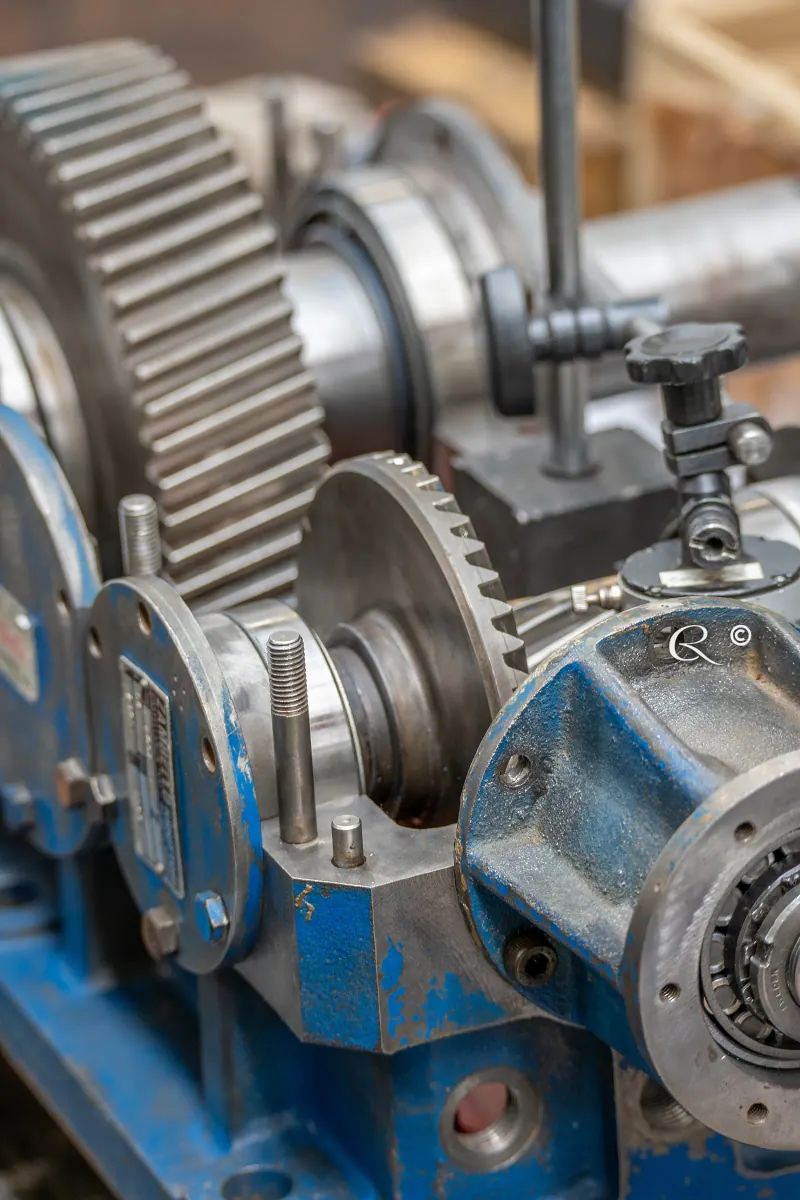
Lube Oil Filtration
Gear and bearing oil cleaned and dried at your site, so it can go back into service.
Hydraulic Oil Filtration
Filtered to the NAS or ISO class your pumps and valves need, and checked with our particle counter.
Tank Cleaning
Sludge, water and scale taken out of oil, fuel and chemical storage tanks, with or without entry as the tank allows.