
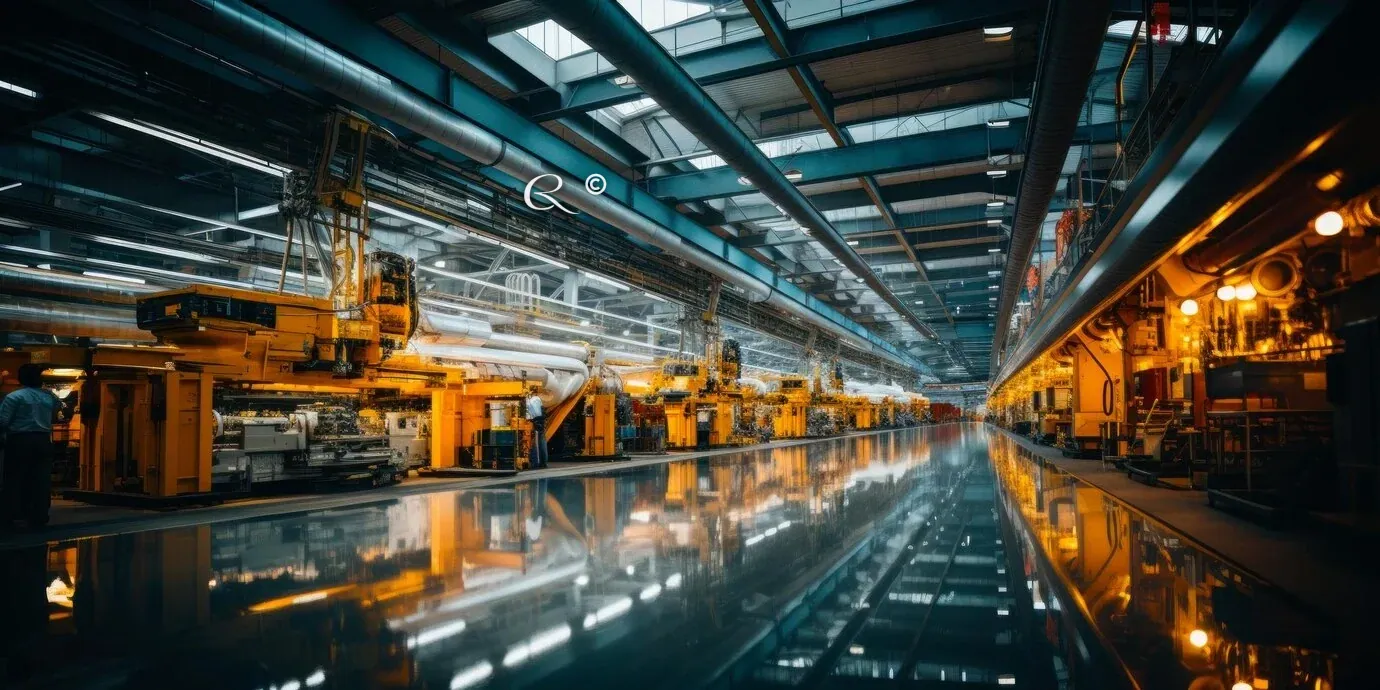
Machine and Equipment Commissioning Services
Ram Engineering takes machines, pipelines, heat exchangers and chillers from installed to in service: lines cleaned and tested, then the equipment run and checked. On site, across India.
Machine and Equipment Commissioning: What We Take On
We take on the site work between installed and in service: erecting and fitting pipework with our welders and fitters, cleaning the lines, pressure or leak tests, and the trial run with your team. We work to your drawings and to the maker’s or the main contractor’s procedure, and we agree the scope in writing before the work starts.
Dirt left inside new lines is a familiar cause of early failures, so the cleaning and the tests come before the first start, not after the first fault.
We do not make the machines. Where the maker requires its own engineer for the first start-up, say so in your enquiry, and the written scope covers the work before and after it.
What We Commission
The work depends on what is being started. Each kind is set out below; tell us the equipment, its maker and your start-up date.
Pipelines
We erect, clean, test and commission hydraulic and process pipelines, including liquid nitrogen lines. We have also flushed and pressure tested an LPG line.
The cleaning depends on the line: oil flushing for hydraulic and lube oil lines, and pickling, passivation or degreasing where the steel or the service needs it.
We can also supply the SS and CS pipes, flanges and gaskets for the line.
Machines
We commission machines and their hydraulic systems.
Tell us the machine, its maker and what the start-up needs, and we confirm the scope in writing.
We can also supply hoses, valves, pumps and other hydraulic parts for the job.
Heat Exchangers
We commission heat exchangers after installation or service.
Plate heat exchangers we supply are installed, pressure tested and commissioned.
Chillers
We commission chillers.
Tell us the chiller type, its capacity and the maker’s commissioning procedure, and we confirm the scope with you.
Transformers and HT Panels
We test transformers and HT breaker panels at site before they go into service, and commission them.
Transformers are tested for insulation resistance, winding resistance, ratio and magnetic balance. The same tests can be part of an electrical and safety audit.
How a Commissioning Job Runs
Scope Review
Drawings, the line or equipment list and the maker’s procedure. We note which checks you witness and which part the maker’s own engineer does.
Checks Against the Drawings
Supports, joints, valve and instrument positions and the parts we fit are checked before anything is filled. A punch list records what is to be put right.
Erection and Fitting, Where Needed
Our welders and fitters erect and fit the pipework to your drawings.
Cleaning Before Start-Up
Flushing, degreasing, pickling or chemical cleaning, as the system needs: new pipework is flushed under pipeline flushing, and a machine’s own oil system under oil flushing. The cleaning pages say how each is done and tested.
Pressure or Leak Test
The test follows an engineered pressure-test plan from your specification: hydrostatic with water, or pneumatic with gas, the test pressure, the parts isolated or excluded, the pressure limits and relief protection, and the exclusion zone around the test. A pneumatic test stores far more energy than a hydrostatic one, so it is used only where the specification and a competent person allow it. Sections are tested in stages before the whole line, with your engineer witnessing. A passed test is one acceptance item, not proof that the whole machine is ready to run.
Fill, Trial Run and Functional Checks
Start-up needs guards and interlocks in place and checked, people cleared from moving parts, and a signed handback from isolation to operation by your responsible person. The system is then filled and run with your team, each function is operated and the settings are noted.
Handover
The punch list is closed, the records are handed over and your team signs off.
What We Need Before We Start
- Drawings and lists: the line or equipment list, the drawings, and the maker’s commissioning procedure or your own checklist.
- The dates: your start-up date, any shutdown, and who from the maker attends.
- The values: test pressures, acceptance limits and the cleanliness class from your specification.
- Utilities: power, water, compressed air and oil available at the work location.
- Photos: of the equipment and its location help a scope review. Send photos on WhatsApp to +91 99400 49505 or by email to [email protected].
Case study
Eight Heat Exchangers Erected, Then Commissioned, at an Aluminium Plant
The situation. An aluminium plant in Andhra Pradesh had eight heat exchangers to put into service. Each had to be erected where it would work, joined to the plant’s pipework and proved on duty, so that the plant could depend on it from its first day.
What we did. We erected the eight heat exchangers and commissioned them. In our scope, erection means setting each unit on its supports and joining its pipework; commissioning means a leak or pressure test, filling, a trial run and a check of the readings with the plant’s team, to the drawings and the maker’s procedure.
The result. All eight were erected, then commissioned. We have no dates or performance figures for this job, so we give none. The same plant has also had us install and commission a 3-inch stainless steel liquid nitrogen line, and weld and fit hydraulic pipework for a press revamp, both in 2026.
Where: Andhra Pradesh.
Records and Handover
- Before work: a written scope that lists what is included, what is not and which checks you witness.
- At handover: the cleaning and test results, with a completion record. The exact list of documents is in the written scope.
Commissioning on Our Records
From our invoices: in 2026, at an aluminium plant, we installed and commissioned a 3-inch stainless steel liquid nitrogen line. At the same plant our welders, fitters and supervisors welded and fitted stainless steel (SS 304) hydraulic pipework, from half an inch to 5 inches, for a press pipeline revamp. In April 2024 we tested a 620 kVA transformer and commissioned it at a foundry. At the same aluminium plant we also erected eight heat exchangers and then commissioned them. No invoice names that job, so it is told as the case study above rather than counted here. Chillers and machines are services we offer, and we confirm the scope against the maker’s procedure.
Safety During Commissioning
- Permits and isolation: work starts under your permit, with the line or machine isolated and locked out.
- Opening or measuring pipework: before you open a joint or measure pipework in place, isolate the line, release the pressure, drain it and let it cool, and follow your plant’s safety procedure.
- First run: guards, interlocks and emergency stops are in place and checked with your team beforehand, people are cleared from moving parts and from pipework under test, and the machine moves from isolation to operation only through your signed handback.
- Pressure testing: hydrostatic or pneumatic, it follows the engineered test plan, with an exclusion zone, pressure limits and relief protection; a pneumatic test is the more hazardous because of the energy the gas stores.
Where It Is Used
- Aluminium plants
- Foundries
- Polymer products plants
- Plant revamps and line alterations
What Your Site Provides
Our past offers put these in the customer’s scope; your offer confirms them.
- Permits and gate passes, with access to the lines and machines.
- Isolation and lock-out of the lines and machines.
- Power, water and compressed air at the work location, and the oil or fluid for filling.
- A crane or forklift for heavy parts, and access platforms where lines are high.
- Disposal of used oil, flushing waste and packing through your plant’s usual waste route.
Questions Buyers Ask
What is the difference between pre-commissioning and commissioning?
Pre-commissioning is the work before anything runs: checks against the drawings, cleaning or flushing, and pressure or leak tests. Commissioning is the start-up itself: after a signed handback from isolation, the system is filled, run and checked with your team before it goes into service. A passed pressure test is only one item of that acceptance.
Do you work to our commissioning checklist?
Yes. Send your checklist or the maker’s procedure with the enquiry, and we include it in the written scope.
Do you replace the maker’s engineer at start-up?
No, we do not make the machines. Where the maker’s terms or your contract need its engineer for the first start-up, say so in the enquiry. The written scope then covers the cleaning, testing and trial run around it.
Which tests do you carry out?
Pressure or leak tests of pipework, in stages before the whole line, and functional checks with your team. On transformers we test insulation resistance, winding resistance, ratio and magnetic balance, and HT breaker panels are tested before they go into service. Whether a test is hydrostatic or pneumatic is settled in the engineered test plan, and test pressures, media and acceptance limits come from your specification.
Can you supply the pipes and fittings as well?
Yes. We supply pipes, fittings, flanges, valves and hoses, or we work with the material you provide.
How long does commissioning take?
It depends on the size of the system, the cleaning it needs and your shutdown, and the written scope gives the days. We start the work within 7 working days of receiving your purchase order and advance.
What is the price?
Prices depend on the equipment, the length and size of the lines, the cleaning and tests needed and the site, so we quote for each enquiry. For jobs outside Chennai, travel and stay for our team are included in the quote.
Where We Work
Tamil Nadu
Telangana
Kerala
Andhra Pradesh
Odisha
Delhi NCR
Rajasthan
Jharkhand
Uttar Pradesh
West Bengal
Punjab
Chhattisgarh
Related Services
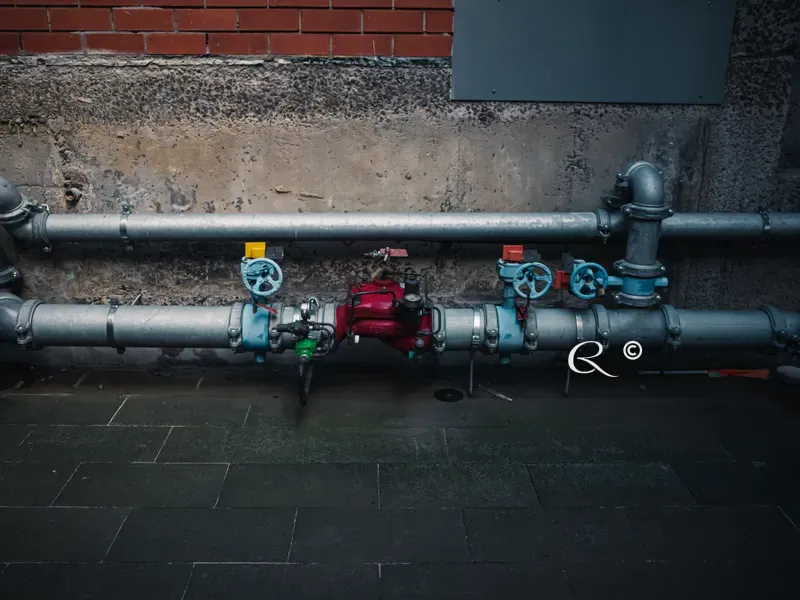
Pipeline Flushing
New or altered hydraulic and lube oil pipework flushed to its agreed class before start-up.
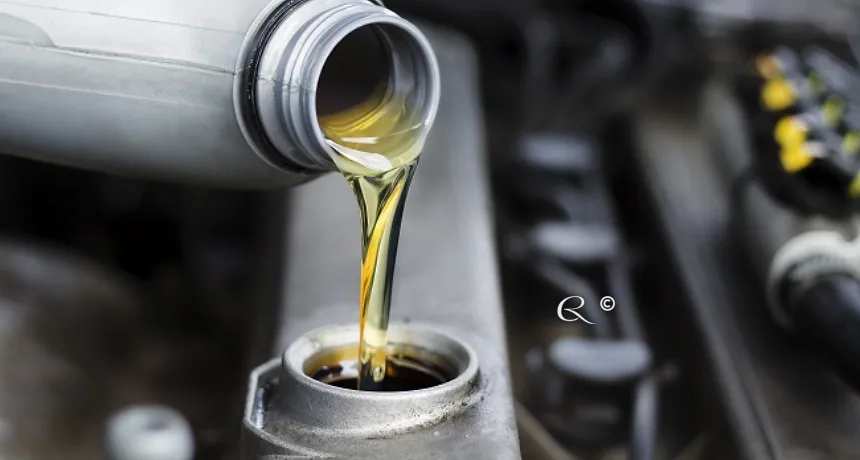
Oil Flushing
A machine’s oil system flushed clean after a failure, a repair or an oil change.
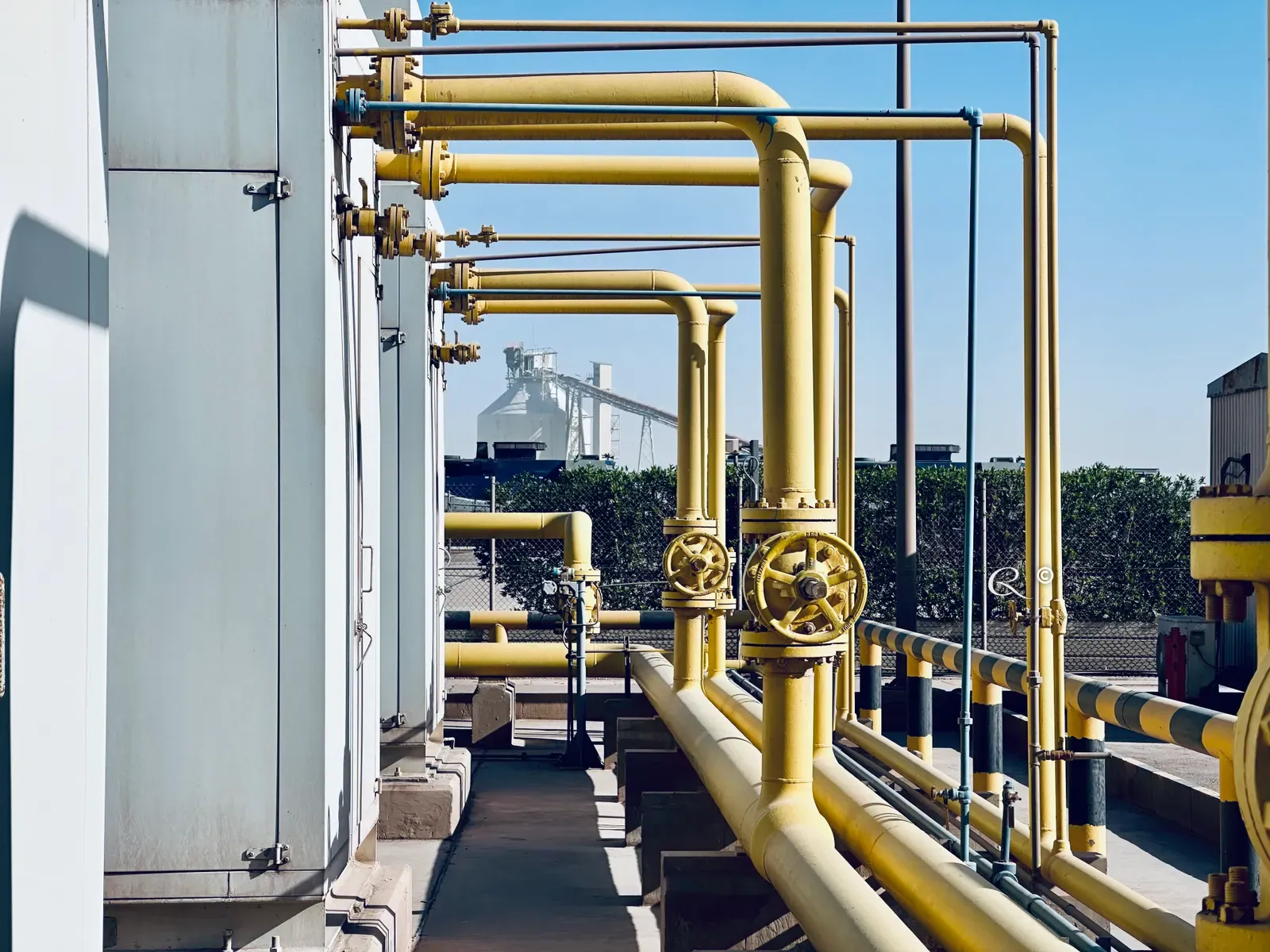
Gas Line Flushing & Oxygen Tank Cleaning
Gas lines flushed and pressure tested, and oxygen tanks cleaned free of oil and grease.
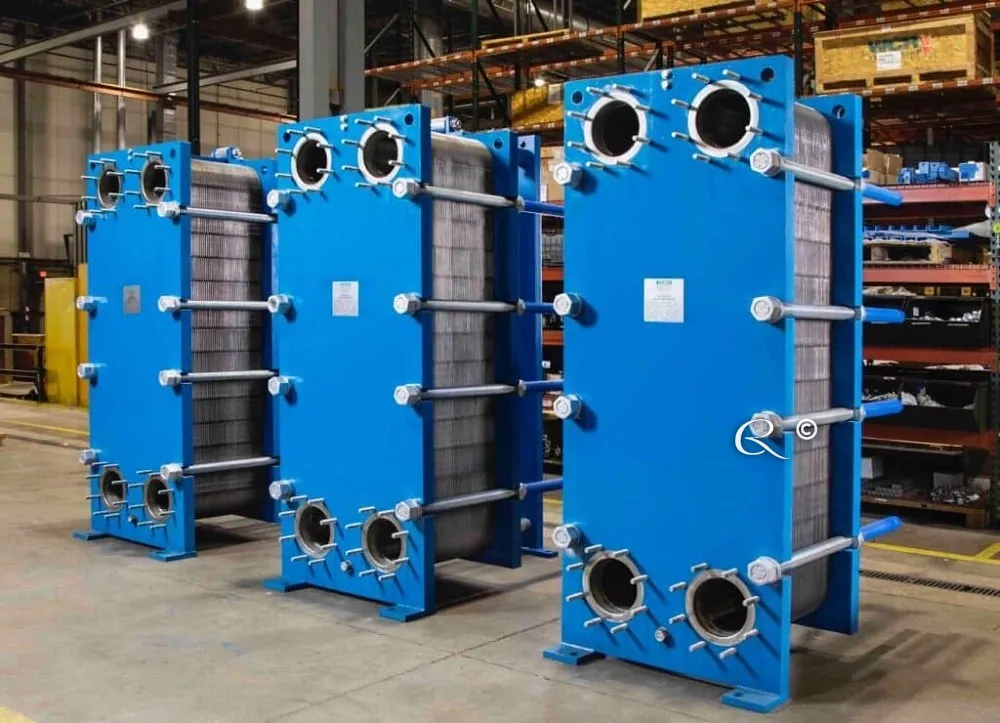
Plate Heat Exchangers
Gasketed plate heat exchangers supplied, installed and commissioned.
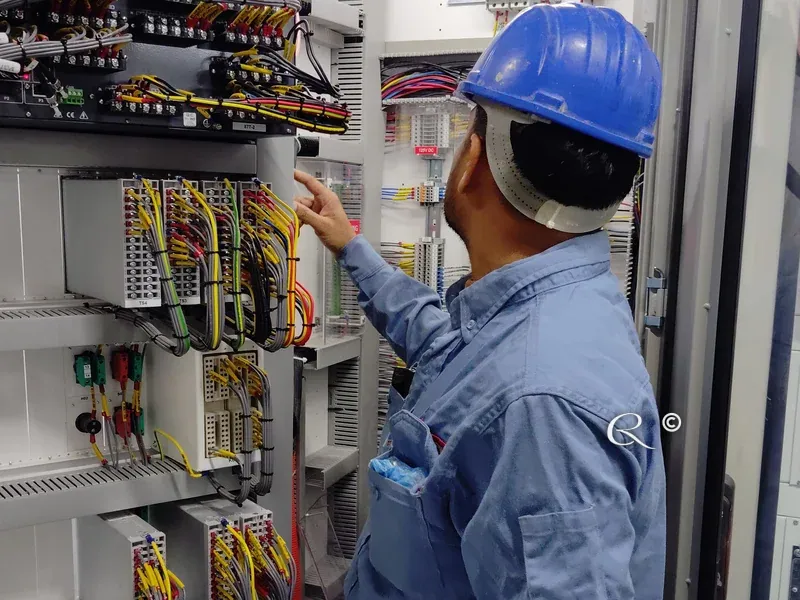
Electrical and Safety Audit
Transformer and HT panel tests, with the electrical checks of an audit.
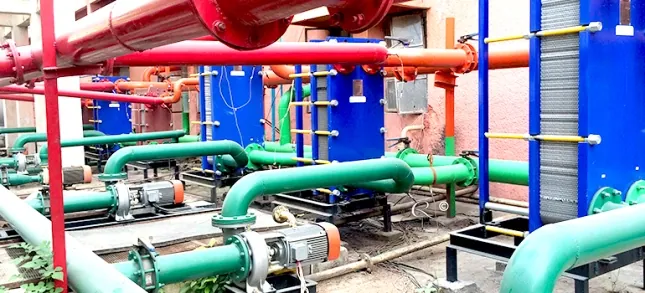
Electrochemical & Cooling Solutions
Cooling water treatment for chillers and cooling towers.
Ask About Commissioning
Tell us about the job. “Not sure” is a fine answer; we will ask follow-up questions.
Request received. Your reference is {ref}. We reply during office hours, Monday to Saturday, 9.00 am to 5.30 pm. For a breakdown or a plant shutdown, call +91 99400 49505 at any time. Nothing is booked or ordered until we confirm scope, availability and terms in writing.Prefer to talk? Call +91 99400 49505 or WhatsApp us.

Schedule a Plant Walkthrough
Our team can come to your site to see the equipment and the lines, go through the drawings and tell you what the commissioning needs.
Request an Assessment
Get Expert Advice for Your Commissioning Work
Call or WhatsApp an engineer, or send the equipment list, the drawings and your start-up date. We reply with a scope and anything else we need from you.
WhatsApp +91 99400 49505