
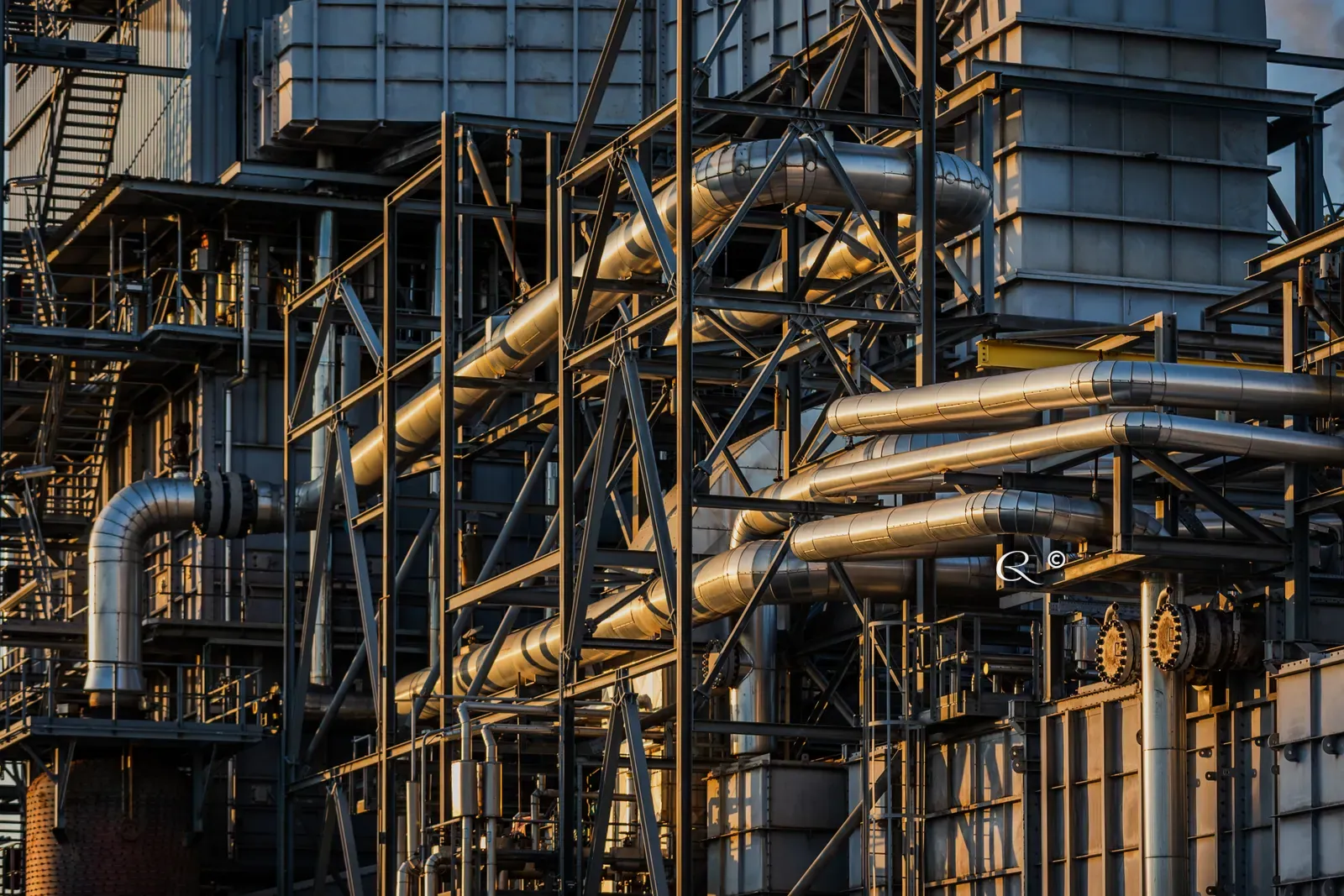
SS and CS Pipes
Ram Engineering, based in Chennai, is a stainless steel and carbon steel pipe supplier in India: SS and CS pipe and tube, seamless or welded, to your drawing.
What to Send for a Quote
If you know what you need, this is enough to start:
- Size: the nominal bore (NB) or the outside diameter in mm; for tube, the outside diameter and wall in mm.
- Wall: the schedule or the thickness in mm.
- Material and grade as your drawing gives it, such as SS 304, SS 316L or a carbon steel grade.
- Seamless or welded, and the ends: plain, bevelled for welding or threaded.
- The total length in metres, or the number and length of pieces, and the date you need them.
Pipe for Oil, Hydraulic and Process Lines
We supply pipe on its own, or with the bends, tees, flanges and gaskets that complete the line.
Our own welders and fitters can also install pipework at your site, and we can pickle, flush, pressure test and commission it before start-up.
An old line is usually replaced when inspection finds its wall corroded or thinned below what its design needs; choose the new pipe for the duty, not only by copying the old one.
We are a supplier, not the maker.
Seamless Pipe, Welded Pipe and Hydraulic Tube
Pipe is seamless or welded, and hydraulic lines on machines often use precision tube instead. The drawings are schematic, not to scale.
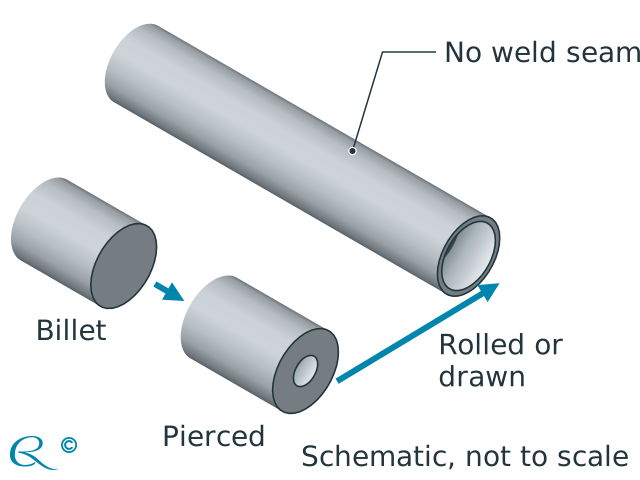
Seamless Pipe
Made from a solid round billet that is pierced into a hollow and then rolled or drawn to size, so there is no weld along its length. Often specified for high-pressure hydraulic lines, steam and hot oil lines, and lines that see pressure surges. In SS 304, SS 316 and carbon steel.
Tell us: the NB or outside diameter, the wall or schedule, and the grade.
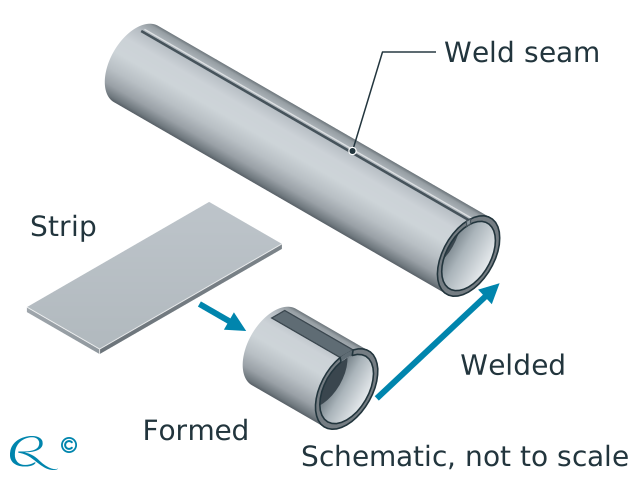
Welded Pipe
Formed from steel strip or plate and welded along its length. In carbon steel the common kind is ERW (electric resistance welded) pipe; welded stainless pipe is widely used on process and chemical lines.
Tell us: the size, wall and grade, and whether your specification accepts welded pipe.
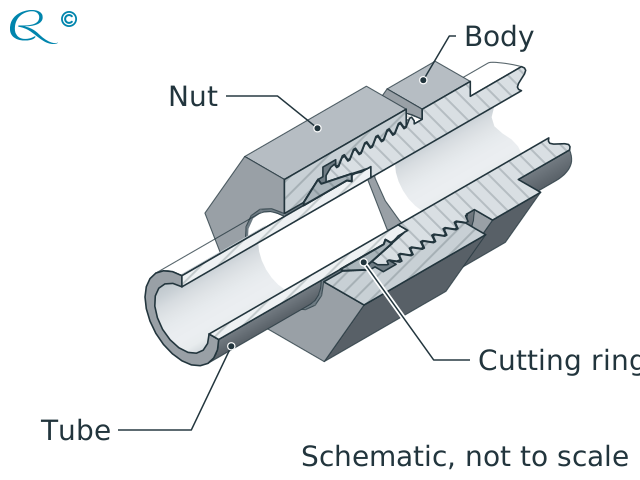
Hydraulic Precision Tube
Usually cold-drawn seamless steel tube, ordered by its outside diameter and wall in mm, such as 16 x 2, not by NB. Its close size tolerances suit compression fittings, in which a cutting ring grips the tube, on power packs, presses and machine tools. In carbon steel, often with a protective finish, or in stainless steel.
Tell us: the outside diameter and wall in mm, the material, and the fitting system the tube goes into.
SS 304, SS 316 or Carbon Steel
The fluid, its temperatures and the air around the line decide the material. Stainless steel resists rust, so the inside of a line stays free of rust scale; carbon steel is strong and economical where corrosion is under control.
Pipe Grades Compared
General guides, not ratings: the line’s design code and your specification decide, and the quotation states the grade and form we propose.
| Grade | Often used for | Check before choosing |
|---|---|---|
| SS 304: stainless, about 18% chromium and 8% nickel | Water, air, oils, many chemicals, food lines and very cold service such as liquid nitrogen | Chlorides, as in sea water, sea air and some cooling waters, can pit it |
| SS 316: stainless, with about 2 to 3% molybdenum added | Lines near the sea, chloride-bearing water and many chemicals | Better than SS 304 against chlorides, but not immune: warm chloride solutions can still attack it |
| SS 304L, SS 316L: low-carbon forms | Pipework that is welded, so that the welds keep their resistance to corrosion | Pipe is often marked with both grades, such as 304/304L |
| Carbon steel, seamless | Oil, fuel, steam, air and hydraulic lines where corrosion is under control | It rusts unless protected, and ordinary grades turn brittle in very cold service |
| Carbon steel, welded: low-carbon, usually ERW | Water, air and other low-pressure utility lines, and structures | Check that the line’s specification accepts welded pipe |
How Pipe Is Sized
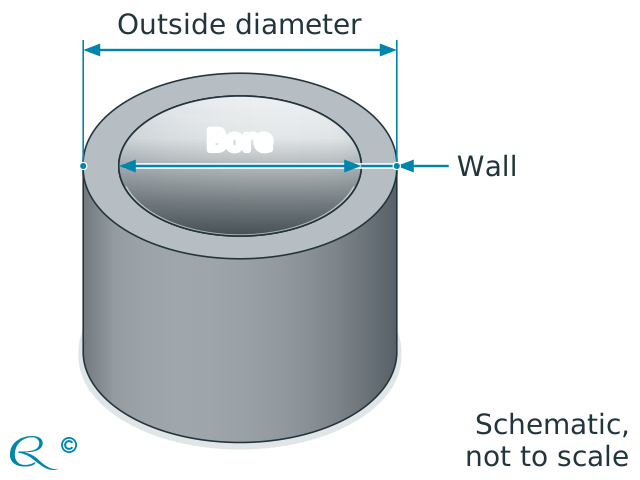
Pipe is named by its nominal bore: NB, in inches or in mm (2 inch is 50 NB), or DN on metric drawings. The name is not a measurement. Within one size series, every pipe of a nominal size has the same outside diameter, and a thicker wall makes the bore smaller, not the outside larger. In the inch-based series the outside diameter is larger than the inch name up to 12 inch, and equal to it from 14 inch.
The wall is given as a schedule number, as a class (light, medium or heavy) or as a thickness in mm; send it exactly as your drawing writes it.
Pipe Sizes: NB, DN and Outside Diameter
The standard numbers in this table are markings you may find on an existing pipe or drawing, not a statement that every item we supply follows every standard listed here; the quotation confirms the specification we propose. Codes in one column are not declared equivalents. Two size series are common in Indian plants. Pipe ordered by NB and schedule, as seamless and stainless pipe often is, follows the inch-based series. Carbon steel and galvanised tube ordered by NB and class follows the light, medium and heavy tube series. Where the two differ, check that the pipe, fittings and flanges all belong to one series.
| NB (inch) | DN | Inch-based series (mm): ASME B36.10M, B36.19M | Light, medium and heavy tube (mm): IS 1239 Part 1, EN 10255 |
|---|---|---|---|
| 1/2 | DN 15 | 21.3 | 21.3 |
| 3/4 | DN 20 | 26.7 | 26.9 |
| 1 | DN 25 | 33.4 | 33.7 |
| 1 1/4 | DN 32 | 42.2 | 42.4 |
| 1 1/2 | DN 40 | 48.3 | 48.3 |
| 2 | DN 50 | 60.3 | 60.3 |
| 2 1/2 | DN 65 | 73.0 | 76.1 |
| 3 | DN 80 | 88.9 | 88.9 |
| 4 | DN 100 | 114.3 | 114.3 |
| 5 | DN 125 | 141.3 | 139.7 |
| 6 | DN 150 | 168.3 | 165.1 |
| 8 | DN 200 | 219.1 | Not in this series |
Nominal outside diameters; the bore is the outside diameter less twice the wall. ASME B36.10M gives carbon and alloy steel pipe, and B36.19M stainless steel pipe, at the same outside diameters. European metric seamless and welded tube (EN 10220, series 1), and metric stainless tube, have the tube column’s diameters up to DN 125, then 168.3 mm at DN 150 and 219.1 mm at DN 200.
How to Measure a Pipe
Where you can, measure a pipe that is already out of the line. Before you open a joint or measure pipework in place, isolate the line, release the pressure, drain it and let it cool, and follow your plant’s safety procedure.
Measure the outside diameter across the pipe with a calliper, or wrap a tape round it and divide the length of tape by 3.14. Match the figure to the size table. In both of the table’s series, a 3-inch (DN 80) pipe measures 88.9 mm outside, whatever its wall. Tube sold by an inch size is usually named by its outside diameter instead.
Measure the wall at a cut end, in more than one place. A line in service is checked from outside with an ultrasonic thickness gauge, by trained inspectors under your plant’s permit.
The marking stencilled or printed along an old pipe usually gives the grade, the standard, the size and wall, seamless or welded, and a heat number. Take a photo of it as it is printed. Send photos on WhatsApp to +91 99400 49505 or by email to [email protected].
Before We Select the Pipe
The wall a line needs comes from its design code, so take it from your drawing or your engineer. What our quotation will confirm: the item we propose and its specification, what we matched it to, the quantity and availability.
| Detail | Why it matters |
|---|---|
| The fluid, and anything corrosive in it or around the line | It decides the material: carbon steel, SS 304 or SS 316. Chlorides and sea air need more than SS 304. |
| Maximum and minimum temperatures | Heat and cold limit the grade; ordinary carbon steel turns brittle in very cold service. |
| Design pressure, with surges | With the size, grade and design temperature, it sets the wall the design code requires. |
| Size: NB and schedule, or outside diameter and wall | From the drawing, or measured on the old pipe as shown above. |
| Seamless or welded | Some specifications and design codes require seamless pipe for some lines. |
| Ends, and how the line is joined | Plain ends for socket welds and compression fittings, bevelled ends for butt welds, threaded ends for screwed fittings; the fittings and flanges must suit them. |
| Inside cleanliness | Hydraulic and lube oil lines must be clean inside before start-up; new pipework is commonly pickled or cleaned, then flushed. |
| Total length, or pieces and lengths | Pipe is commonly sold in random lengths; say if you need fixed lengths. |
| Documents with the material | If your plant needs inspection or test documents with the pipe, say so when you enquire; the quotation answers it. |
| Quantity and required date | Lets us confirm availability and lead time with the quotation. |
Example
Recent Supply
In 2026 we supplied a 3-inch SS 304 pipe assembly for a liquid nitrogen line at an aluminium plant, then installed and commissioned the line. Our quotations also cover SS 304 seamless and carbon steel pipes from 60 mm to 114 mm outside diameter.
Questions Buyers Ask
Is SS 304 or SS 316 better for my line?
It depends mostly on chlorides and chemicals, which the grades table above compares: SS 316 resists chlorides better than SS 304, though it is not immune. Tell us the fluid and the site, and we confirm the grade with you.
What is the difference between seamless and ERW pipe?
ERW pipe is formed from steel strip and welded along its length by electric resistance welding; seamless pipe has no weld. The type cards above show how each is made. Your line’s design code or specification decides which it accepts, so send what your drawing states.
What does schedule mean on a pipe?
The schedule and the nominal size together set the pipe’s nominal wall thickness: look up that pair in the dimensional standard your line follows. At one size, a higher schedule number means a thicker wall. Stainless pipe often carries its own schedules, with an S after the number, which differ from the carbon steel ones at some of the larger sizes. Send the size and schedule as your drawing writes them, or the wall in mm.
Does your invoice show the HSN code?
Yes. Our GST invoice shows the HSN or SAC code for each line.
Do you keep stock?
Availability is confirmed with each quotation.
What is the price?
Prices depend on the size, the wall, the grade, the quantity and delivery, so we quote for each enquiry.
Where We Work
Tamil Nadu
Telangana
Kerala
Andhra Pradesh
Odisha
Delhi NCR
Rajasthan
Jharkhand
Uttar Pradesh
West Bengal
Punjab
Chhattisgarh
Send Your Pipe Details
Size, wall, grade, total length and where it is needed. Send the drawing or line list, if you have one, on WhatsApp or by email after this form.
Request received. Your reference is {ref}. We reply during office hours, Monday to Saturday, 9.00 am to 5.30 pm. For a breakdown or a plant shutdown, call +91 99400 49505 at any time. Nothing is booked or ordered until we confirm scope, availability and terms in writing.Prefer to talk? Call +91 99400 49505 or WhatsApp us.
Related
Flanges
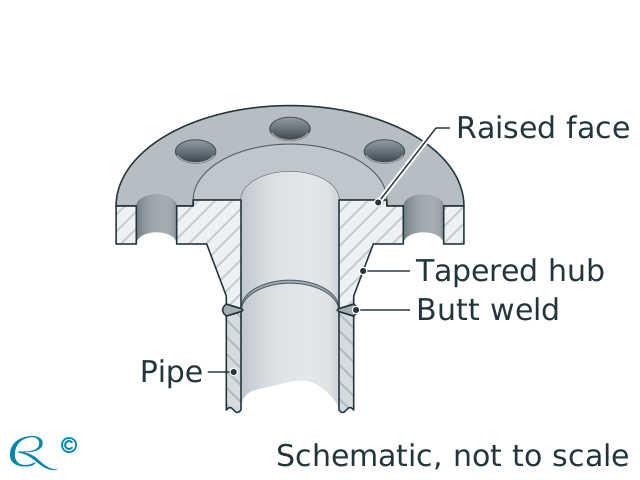
Pipe flanges in carbon or stainless steel, and four-bolt split flanges for hydraulic ports.
Gaskets
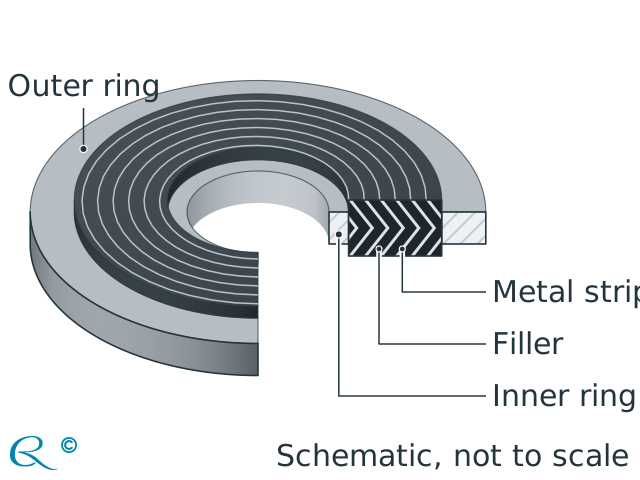
Spiral wound, ring joint and sheet gaskets for each flange face.
Hydraulic Fittings
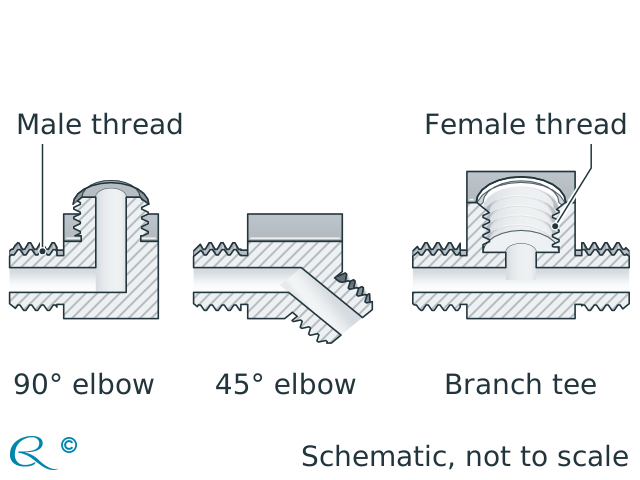
Hose ends, tube fittings and adaptors, matched to your thread form and size.
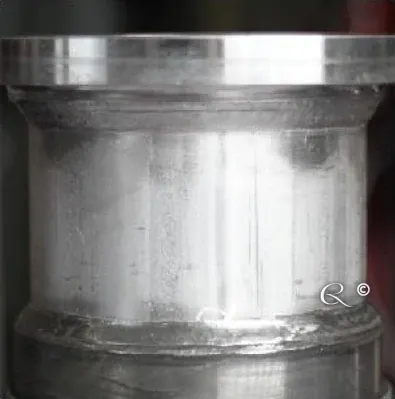
Pipeline Pickling & Passivation
Acid pickling to remove weld oxide and scale, then passivation to restore corrosion resistance, on installed piping.
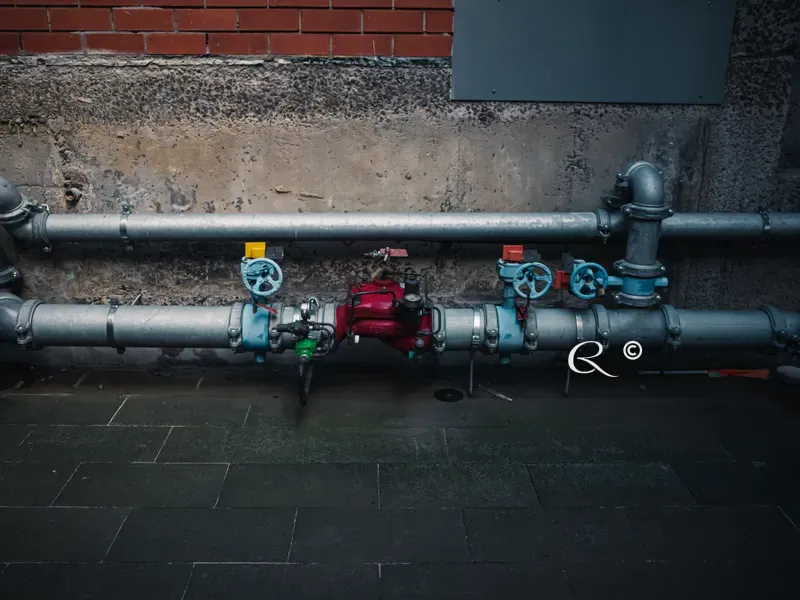
Pipeline Flushing
Scope review for new or serviced hydraulic and lube oil systems.
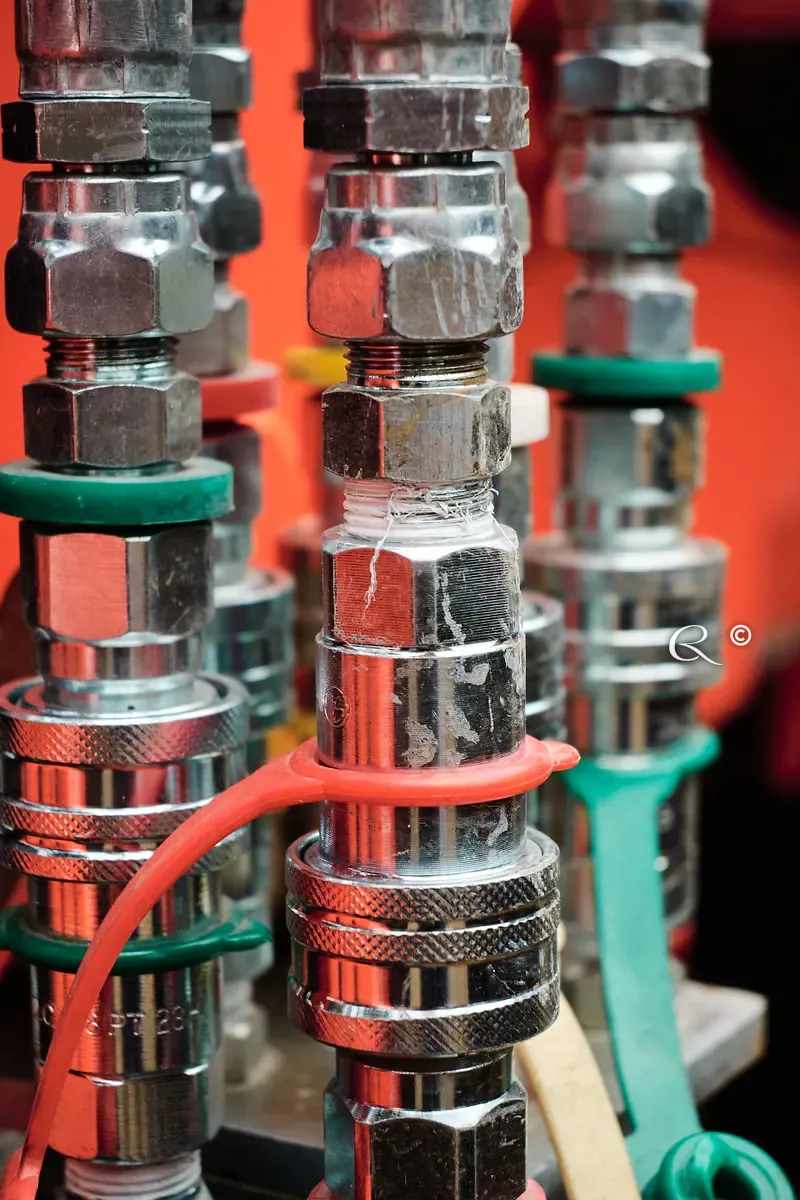
Commissioning
Commissioning of pipelines, machines, heat exchangers and chillers at your plant, from the last checks and cleaning to start-up.