
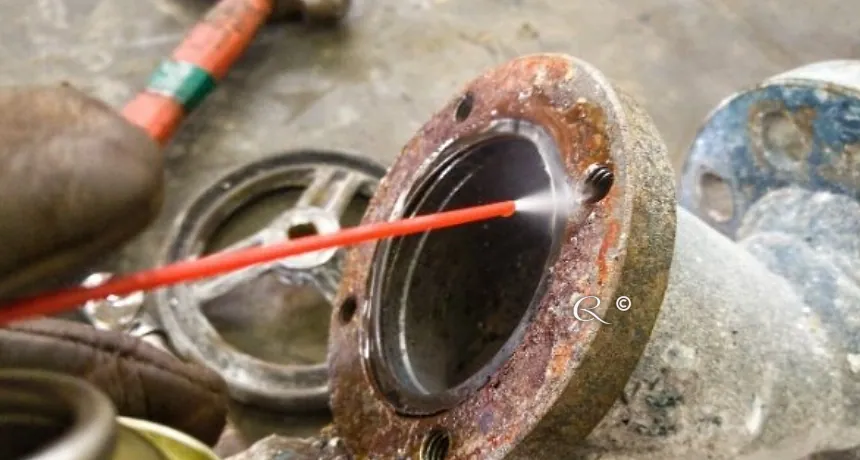
Gaskets for Flanged Joints
Ram Engineering, based in Chennai, is an industrial gasket supplier in India: sheet, spiral wound and ring joint gaskets, matched to your flange or drawing.
What to Send for a Quote
If you know the joint, this is enough to start:
- The flange: size, standard and class (or PN), or the gasket’s inside and outside diameters.
- The face: raised face, flat face or ring joint.
- The duty: the fluid, its maximum temperature and the pressure.
- The type and thickness of the old gasket, if you know them.
- The quantity and the date you need them.
What a Gasket Does, and Why Joints Leak
A gasket seals the gap between two flange faces. The bolts squeeze it into the fine marks and waviness of the faces, and it must keep sealing as the line heats, cools and vibrates.
Leaks at a flange often come from uneven bolt tightening, damaged or misaligned faces or the wrong gasket, more than from a faulty gasket. Tighten the bolts in a cross pattern, in stages, to the torque your plant’s procedure or the gasket maker’s instructions give.
Before you open a joint or measure pipework in place, isolate the line, release the pressure, drain it and let it cool, and follow your plant’s safety procedure. When you open it, loosen the bolts on the side away from you first, so that anything left in the line escapes away from you.
We are a supplier, not the maker.
Gasket Types
Tell us the type of the old gasket, or the face of the flange it sits on. The drawings are schematic, not to scale.
Spiral Wound Gaskets
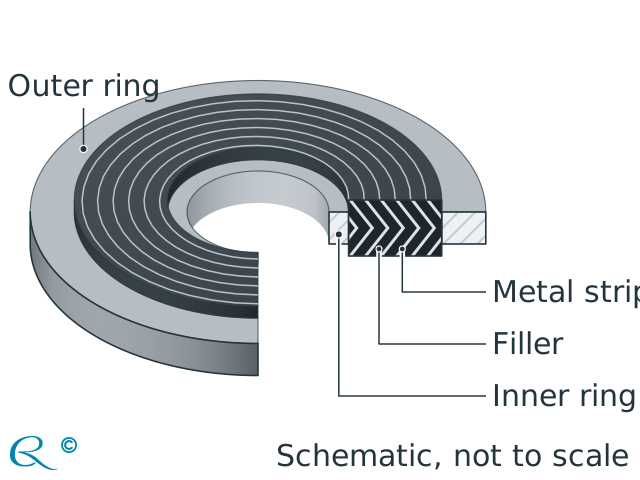
A V-shaped metal strip wound in a spiral with a soft filler, usually flexible graphite or PTFE, between the turns. An outer ring centres the gasket inside the bolts and stops it being crushed too far; an inner ring, which many specifications require with PTFE filler and at higher classes, protects the winding at the bore. Used on raised-face flanges in steam, hot oil, hydrocarbon and other demanding lines.
Tell us: the flange size, standard and class, the winding metal and filler, and whether an inner ring is needed.
Sheet Gaskets: Ring and Full Face
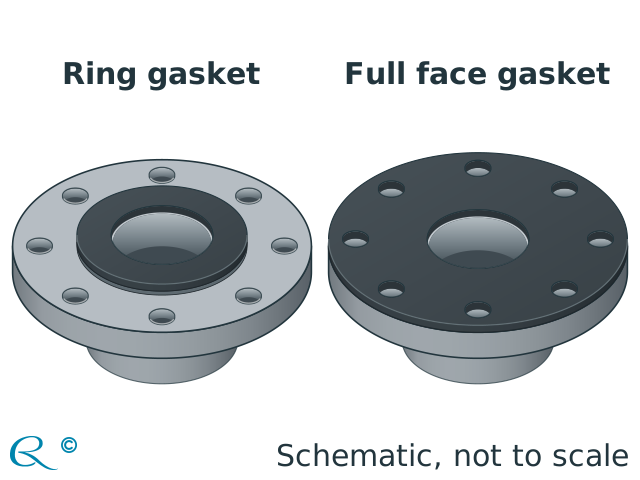
Cut from sheet of compressed fibre, rubber, PTFE or flexible graphite, compared in the table below. A ring gasket usually sits inside the bolts on a raised-face flange; a full face gasket covers the whole face, bolt holes included, usually on a flat-face flange.
Tell us: the flange size, standard and class, ring or full face, the material and the thickness.
Ring Joint Gaskets
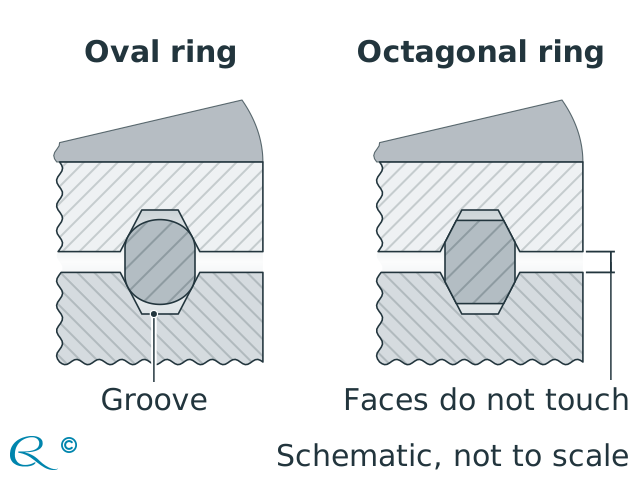
Type R oval and octagonal rings are solid metal rings that seat in a groove machined in each face of ring-joint flanges; with these rings the flange faces do not touch. Often used on high-pressure, high-temperature lines, as in oil and gas plants. The ring must be softer than the groove, so its metal is chosen to suit the flange. An octagonal ring fits only a flat-bottomed groove; an oval ring also fits the older round-bottomed groove. Other ring types exist, mainly for wellhead equipment; the ring number tells them apart.
Tell us: the ring number stamped on the flange rim or the old ring, oval or octagonal, and the metal.
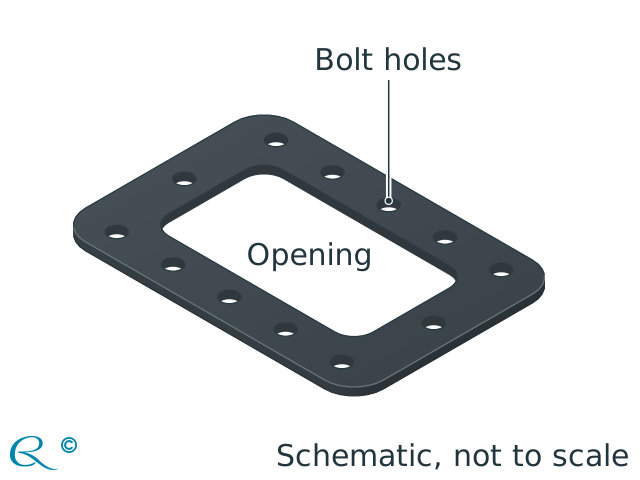
Cover and Special-Shape Gaskets
Gaskets for machine covers, tank manholes, inspection doors and other joints that are not round. For these, send a drawing or the old gasket and the fluid, and we confirm whether we can supply it.
Tell us: a drawing, or a tracing of the old gasket on paper, its thickness, and the fluid.
How to Measure a Gasket
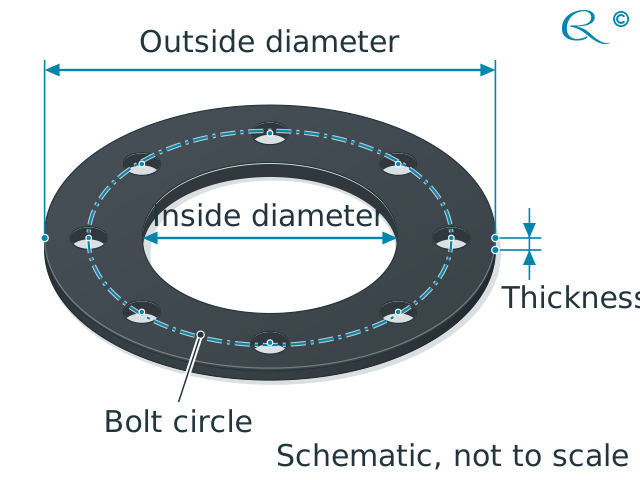
A ring gasket is set by its inside diameter, outside diameter and thickness. A full face gasket also needs the bolt circle, the diameter through the centres of the bolt holes, and how many holes there are and how large.
Where you can, measure the flange rather than an old gasket, which has spread and thinned under the bolts. The gasket’s inside diameter should not stand into the bore. For a standard flange, use the gasket dimensions set for its standard, size and class; standard ring gaskets commonly sit inside the bolt circle.
For a special shape, trace the old gasket or the face on paper, mark the bolt holes, and photograph the tracing beside a ruler. Send photos on WhatsApp to +91 99400 49505 or by email to [email protected].
Choosing a Gasket
Choose for the fluid, the temperatures, the pressure and the flange together: a gasket that suits the fluid can still fail on heat, and one that takes the heat can still be attacked by the fluid.
Gasket Materials Compared
General guides, not ratings: the exact sheet grade, the flange and the duty set the limits, and the quotation states the gasket we propose.
| Material | Often used for | Check before choosing |
|---|---|---|
| Compressed non-asbestos fibre | Water, oils, fuels, air and low-pressure steam, on raised and flat faces | Its rubber binder limits the heat it takes |
| Rubber: NBR (nitrile) | Oils, fuels and water at moderate temperatures and low pressures | Soft, so mostly for flat faces and low bolt loads |
| Rubber: EPDM | Water, low-pressure steam and many dilute chemicals | Swells in oil and fuel: not for oil or fuel lines |
| PTFE: plain, filled or expanded | Acids, alkalis, solvents and most other chemicals | Plain PTFE flows slowly under bolt load; filled and expanded grades flow less |
| Flexible graphite, often with a steel insert | High temperatures, steam and thermal oil | Not for strong oxidising chemicals; the insert makes the sheet easier to handle |
| Metal: spiral wound and ring joint | High pressures and temperatures | Needs flange faces and bolting suited to it |
Before We Select a Gasket
Send these with the flange details. What our quotation will confirm: the item we propose and its specification, what we matched it to, the quantity and availability.
| Detail | Why it matters |
|---|---|
| The fluid | It sets the material: oil swells EPDM, and strong chemicals attack rubber and fibre. |
| Maximum and minimum temperatures | Including start-up, cleaning and steaming out. |
| Operating and test pressure | The gasket must hold both, and the test pressure is usually the higher. |
| Flange standard, class, size and face | They set the gasket’s dimensions and type. |
| Flange material and condition | Cast iron, plastic or lined flanges usually need softer gaskets and lower bolt loads, as their makers specify. Have damaged or warped faces assessed against the flange and gasket instructions, and repaired where needed, before a new gasket is fitted. |
| Thickness | From the drawing or the old gasket; thinner sheet gaskets generally creep less. A thicker gasket is not a remedy for damaged or warped faces. |
| Quantity and required date | Lets us confirm availability and lead time with the quotation. |
Example
Recent Supply
In 2025 we supplied and fitted gaskets, together with ball valves, on a transport company’s diesel line.
Questions Buyers Ask
Can I reuse a gasket?
No. A gasket is crushed to fit its flanges when the bolts are tightened, and it does not seal the same way a second time. Fit a new gasket each time the joint is opened.
Which gasket suits a steam line?
Spiral wound gaskets with graphite filler, and flexible graphite sheet, are common choices on steam lines; some compressed fibre sheets suit low-pressure steam, and EPDM rubber can suit low-pressure steam on flat faces. The steam pressure and temperature and the flange class decide, so send them with the flange details.
When is a PTFE gasket the right choice?
When the fluid would attack rubber and fibre: acids, alkalis, solvents and many other chemicals. Because plain PTFE slowly flows under bolt load, filled or expanded PTFE is generally used for flange gaskets.
Do you supply gaskets for plate heat exchangers?
Yes. Plate heat exchanger gaskets and plates are covered on our PHE spares and gaskets page.
Does your invoice show the HSN code?
Yes. Our GST invoice shows the HSN or SAC code for each line.
Do you keep stock?
Availability is confirmed with each quotation.
What is the price?
Prices depend on the gasket type, the material, the size and the quantity, so we quote for each enquiry.
Where We Work
Tamil Nadu
- Chennai on our records
- Coimbatore
- Madurai
- Hosur
- Trichy
Telangana
Kerala
Andhra Pradesh
Odisha
Delhi NCR
Rajasthan
Jharkhand
Uttar Pradesh
West Bengal
Punjab
Chhattisgarh
Send Your Gasket Details
Flange size, class and face, the fluid, the temperature and the quantity.
Request received. Your reference is {ref}. We reply during office hours, Monday to Saturday, 9.00 am to 5.30 pm. For a breakdown or a plant shutdown, call +91 99400 49505 at any time. Nothing is booked or ordered until we confirm scope, availability and terms in writing.Prefer to talk? Call +91 99400 49505 or WhatsApp us.
Related
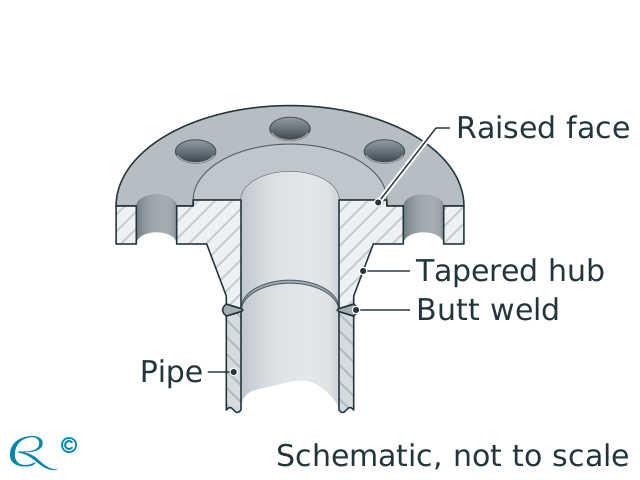
Flanges
Six pipe flange types in carbon or stainless steel, and hydraulic split flanges.
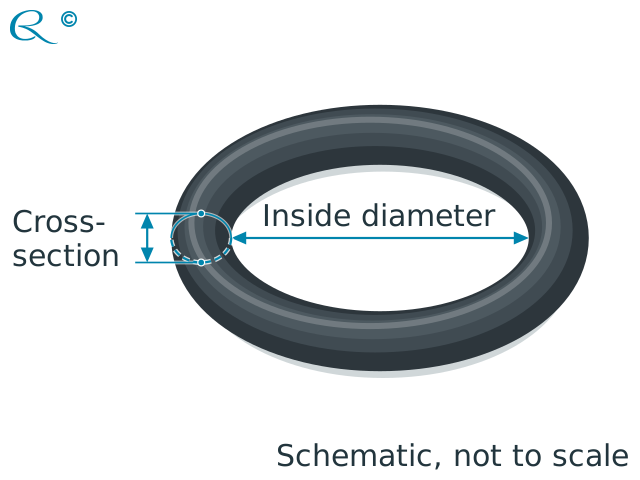
O-Rings
O-rings in NBR, FKM, EPDM and silicone, by size or from the old ring.
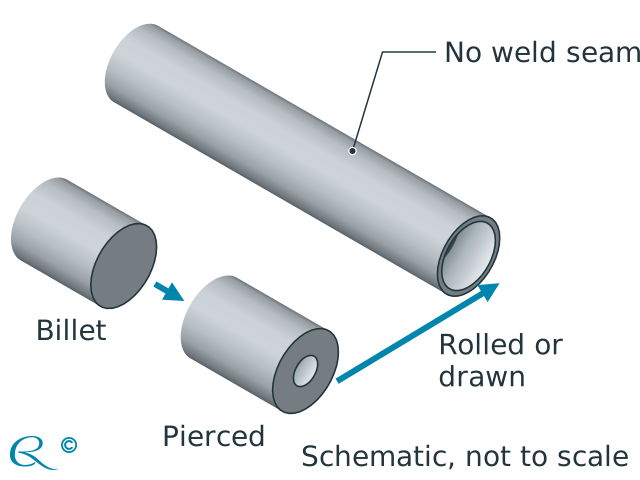
SS and CS Pipes
Pipe and tube in stainless or carbon steel, by NB or outside diameter.
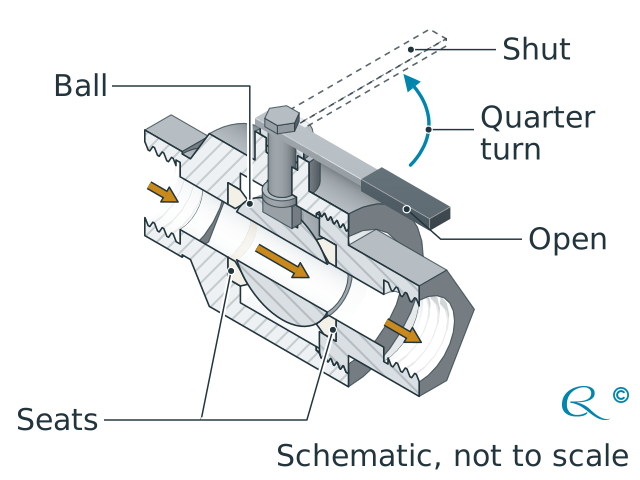
Valves
Ball, gate, globe, non-return and needle valves for oil, fuel and hydraulic lines.
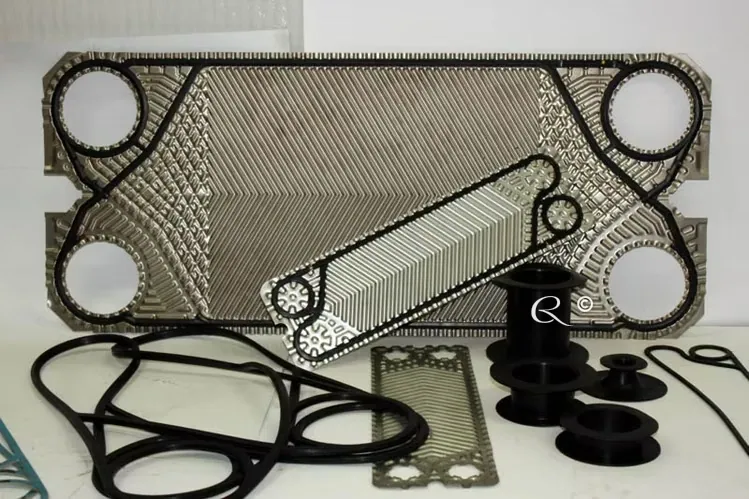
PHE Spares & Gaskets
Gaskets and spare plates for the major PHE brands, with re-gasketing at your site.
Pipeline Flushing
Scope review for new or serviced hydraulic and lube oil systems.