
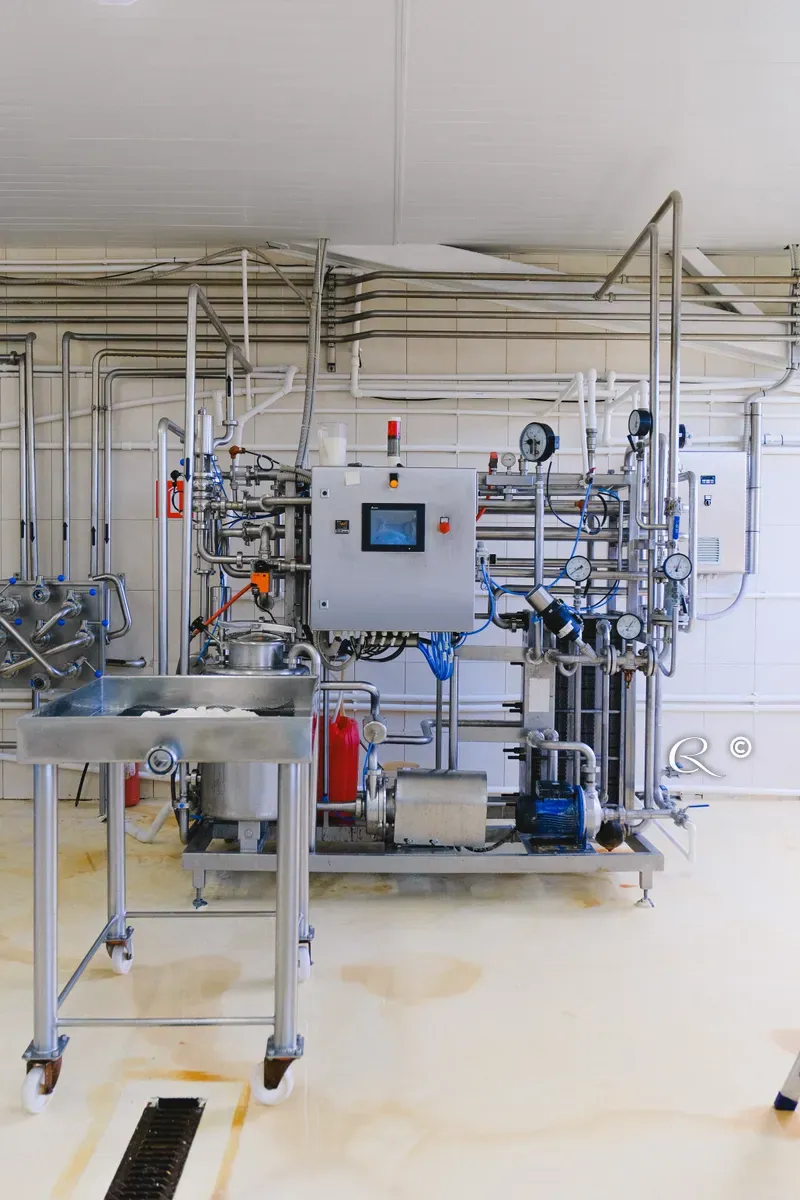
LVDH Spares for Vacuum Dehydration Units
Ram Engineering, based in Chennai, is a supplier of LVDH machine spares in India: filter elements, vacuum pump parts and oil, heaters, float switches, valves and seals.
What to Send for a Quote
To start, send us:
- The unit’s nameplate, or its make, model and serial number.
- The part you need: its part number, its label or rating plate, or a photo of it. Send photos on WhatsApp to +91 99400 49505 or by email to [email protected].
- The oil the unit dehydrates, and its running hours if you know them.
- How many of each part you need, and the date.
How an LVDH Machine Works, and What Wears
An LVDH (low vacuum dehydration) machine takes water and dissolved gases out of oil. It warms the oil and spreads it in a thin film inside a vacuum chamber; at that low pressure the water evaporates well below its normal boiling point. From the chamber, the vapour and the oil take separate paths. The vacuum pump draws the vapour off, on many units through a condenser that turns it back into water. A pump returns the drier oil through a filter.
Most of what wears lies on these two paths: filter elements load, the vacuum pump’s own oil takes up moisture, heater elements burn out, float switches stick, and valve and cover seals stop holding the vacuum.
Switch the unit off, isolate it electrically and from the oil lines, and let the heaters and the oil cool. Before you open the chamber or take out a part, release the vacuum and any oil pressure trapped in the filters, pumps and lines, and drain the part, following the unit’s instructions and your plant’s rules.
We are a supplier, not the maker.
Where Each Spare Sits
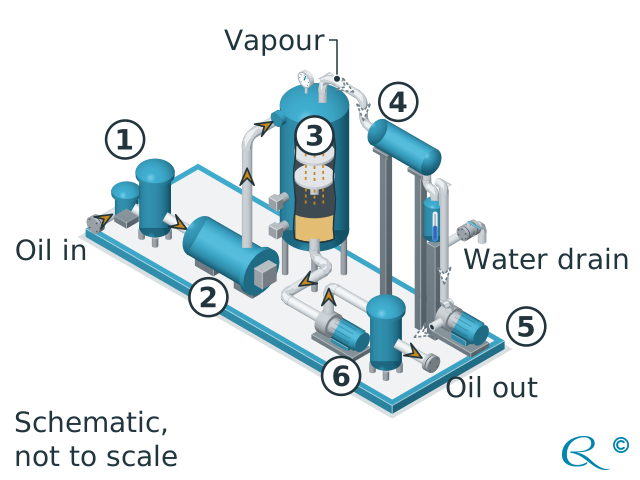
The oil and vapour paths, with the main service parts numbered as in the drawing below: 1, 2, 3 and 6 are on the oil path, 4 and 5 on the vapour path.
Inlet Strainer and Filter
Catch the dirt the oil brings in, before it is heated. Their elements load and are changed; send the element’s part number or the housing’s size.
Heater
Electric heater elements warm the oil so that its water evaporates readily under vacuum. Send the rating plate: power, voltage and size. A replacement must suit the unit’s electrical supply, heating duty and temperature controls, not only the old element’s size.
Vacuum Chamber and Float Switches
The oil is spread thin here under vacuum. Float switches keep its level in range by switching the pumps and valves, and the gaskets of the covers and sight glasses must hold the vacuum.
Condenser and Water Drain
On the vapour path, many units have a condenser that turns the vapour back into water before it reaches the vacuum pump; the water collects in a pot and drains through a valve. Drain valves and their seals wear.
Vacuum Pump
Also on the vapour path, and often an oil-sealed rotary vane pump. Its oil takes up moisture and is changed when it turns milky or at the interval in its manual; vanes, shaft seals and the exhaust filter are its other spares. Send the pump’s own nameplate.
Discharge Pump and Outlet Filter
Back on the oil path, the discharge pump returns the dry oil to your system through an outlet filter element, usually finer than the inlet one. Send the nameplates of the pump and its motor, or the element’s part number; the solenoid and non-return valves on this line wear too.
Signs That a Part Is Wearing
Common signs and the parts usually behind them. The unit’s manual, and a test of the oil, confirm the cause before parts are ordered.
| What you see | Parts to check |
|---|---|
| The unit does not reach its usual vacuum | Wet or low vacuum pump oil, a leaking gasket or valve seal, or a worn vacuum pump. |
| The oil does not reach its set temperature | A burnt-out heater element, its supply or its thermostat. |
| The unit stops on a level fault, or the chamber floods | A sticking float switch, or the discharge pump or its non-return valve. |
| Water comes out more slowly than before | Not always a fault: as the oil gets drier, less water comes out. If a test shows the oil is still wet, check the vacuum pump oil, the vacuum level, the oil temperature and the condenser. |
| The pump oil turns milky soon after a change | The condenser and its drain, or free water coming in with the oil. |
| The oil leaves the unit dirty | The outlet filter element: full, bypassing or wrongly fitted. |
Our Own LVDH Unit
We rent out our own LVDH unit, with transport, for water removal on site. If your own unit is waiting for spares, ask about renting ours in the meantime.
What to Send for Each Part
A spare must suit the unit it goes into, not only match the old part’s size. These are the details we need for each kind of spare. Send photos on WhatsApp to +91 99400 49505 or by email to [email protected]. What our quotation will confirm: the item we propose and its specification, what we matched it to, the quantity and availability.
| Part | What to send |
|---|---|
| Filter elements, inlet and outlet | The element’s part number, or the housing’s make and size, and its micron rating. |
| Vacuum pump | The pump’s nameplate, and the part: vanes, seals or exhaust filter. |
| Vacuum pump oil | The grade named in the pump’s manual, and how much the pump holds. |
| Heaters | The rating plate (power and voltage), the length, and the mounting thread or flange. |
| Float switches | The length, the thread, the switch action (normally open or closed) and the cable. |
| Solenoid valves | The coil voltage, the port size, normally open or closed, and the fluid. |
| Discharge pump | The nameplates of the pump and its motor. |
| Seals and gaskets | Where each one fits, its size, and the oil and temperature it sees. |
| Gauges, sensors and controls | The label of each part, and a photo of the panel. |
Questions Buyers Ask
Why does the vacuum pump oil need changing so often?
The vacuum pump draws water vapour out of the chamber, and some of it condenses in the pump oil. Wet pump oil lowers the vacuum, so the unit removes water more slowly.
How do I know the vacuum pump oil needs changing?
Look at it through the sight glass: oil that has turned milky or cloudy has taken up water. Change it then, or at the interval in the pump’s manual, with the grade the manual names.
Can a heater of a different rating be fitted?
Only one checked against the unit’s electrical, thermal and control requirements: its supply voltage, a power the panel and its protection are built for, the thermostats and cut-outs that control it, and the mounting. Its watt density (heat per area of element surface) matters too, as a hotter element surface can char the oil. The unit maker’s specification decides.
Can I rent a unit while mine is repaired?
Ask us. We rent out our own LVDH unit with transport; tell us the oil, the volume and the dates.
Do you maintain LVDH machines?
Yes. Our LVDH AMC is a yearly contract for the unit you have, of any make, with quarterly preventive visits; spares used are charged at actuals.
Can you supply oil centrifuge spares?
For oil centrifuges, send the make, model and serial number and we confirm whether we can supply the spares.
Do you keep stock?
Availability is confirmed with each quotation.
What is the price?
Prices depend on the part, the quantity and delivery, so we quote for each enquiry.
Does your invoice show the HSN code?
Yes. Our GST invoice shows the HSN or SAC code for each line.
Where We Work
Tamil Nadu
Telangana
Kerala
Andhra Pradesh
Odisha
Delhi NCR
Rajasthan
Jharkhand
Uttar Pradesh
West Bengal
Punjab
Chhattisgarh
Send Your Unit and Part Details
Unit make, model and serial number, the part and the quantity.
Request received. Your reference is {ref}. We reply during office hours, Monday to Saturday, 9.00 am to 5.30 pm. For a breakdown or a plant shutdown, call +91 99400 49505 at any time. Nothing is booked or ordered until we confirm scope, availability and terms in writing.Prefer to talk? Call +91 99400 49505 or WhatsApp us.
Related
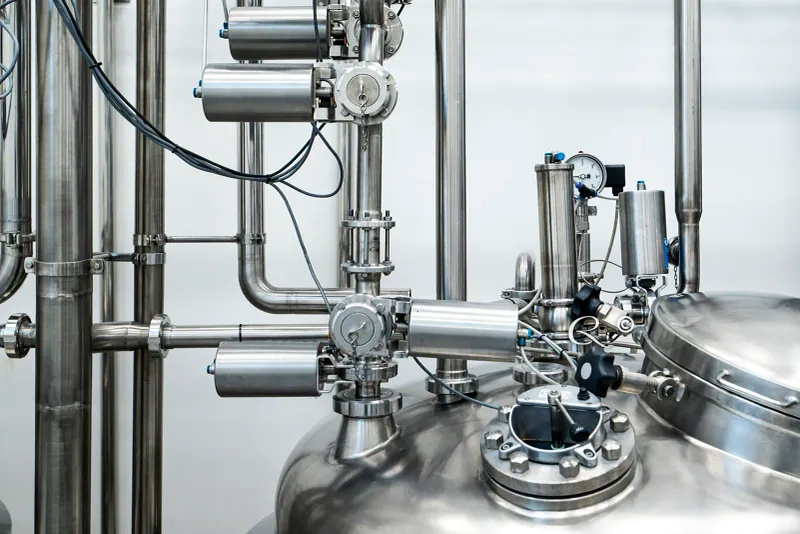
LVDH Vacuum Dehydration Machine
Our own LVDH unit on rent, with transport, while yours waits for spares.
LVDH AMC
A yearly maintenance contract for the LVDH machine you own.

Filter Elements
Hydraulic and lube oil elements by part number, or a checked equivalent.

Electrostatic Filter Paper
Paper for electrostatic oil cleaners, which collect fine dirt and insoluble oxidation products that a vacuum unit does not remove.
Oil Analysis
Oil tested for water, acidity, wear metals and particles at our partner laboratory.
Lube Oil Filtration
Gear and bearing oil cleaned and dried at your site.