
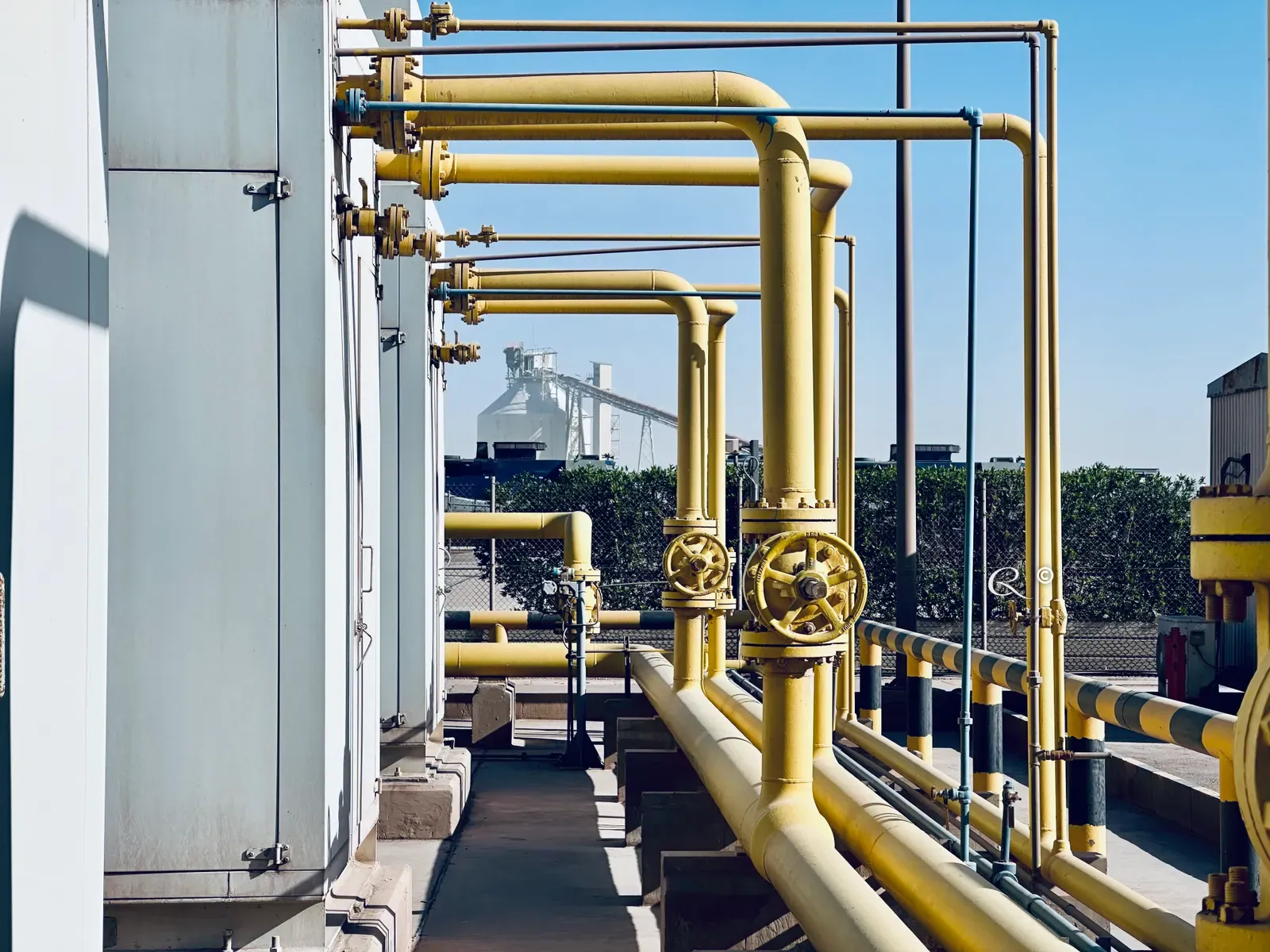
Boiler Chemical Cleaning
Boiler chemical cleaning removes scale, rust and mill scale from the water side of a boiler and its feed lines. Send your boiler’s details to start.
The problem
What Builds Up on the Water Side of a Boiler
A boiler tube has hot gas on one side and water on the other, and the water carries heat away from the metal. Hard water leaves scale, and the feed system carries in iron and sometimes copper, all of which tend to settle where the heat is highest. Water-side deposits impede heat transfer, which raises the temperature of the tube metal and can increase fuel use for the same steam output, and corrosion can start out of sight beneath them.
In the plant it can show up as a tube that overheats or bursts, flue gas leaving hotter than it used to, or a fuel bill creeping up for the same steam. A new boiler has a different problem: mill scale, oil, weld debris and rust left from fabrication and erection, which would move through the steam and water circuit at first firing.
When a Boiler Should Be Cleaned, and When It Should Not
New boilers are commonly cleaned before first firing. For a boiler in service, inspection and, where appropriate, representative water-side deposit or tube samples are assessed against the boiler maker’s guidance. On a water-tube boiler that often means a tube sample cut from a hot area; in a fire-tube boiler the water-side deposit is on the outside of the fire tubes. A heavy water treatment upset, or a large tube repair that leaves dirt inside, can also call for a clean.
A date on the calendar alone is a weak reason. Acid cleaning carries a risk of corrosion to the base metal, controlled by the chemistry, inhibitors and monitoring, so a clean that is not needed should be avoided.
This page is about the water side. Soot and ash on the fire side are a different job, removed by other means.
What the Cleaning Covers
The parts in the job are agreed for each boiler:
- Boiler water side. Tubes, drums and headers, or the tubes and shell of a fire-tube boiler.
- Pre-boiler system. The condensate lines, feed water heaters, deaerator and feed lines ahead of the boiler.
- New boilers. Cleaning before first firing, to remove what fabrication and erection left behind.
- Boilers in service. Cleaning when inspection, samples or the boiler’s history show that deposit has built up.
The Pre-boiler System
Pre-boiler means the path the water takes on its way to the boiler: condensate lines, feed water heaters, the deaerator and the feed lines. Iron and copper picked up along this path are a main source of the deposit that ends up in boiler tubes, so a new plant, or one back from a long outage, may clean this path too.
It is often a separate stage from the boiler itself, because feed water heaters can hold copper alloys and other metals that need different chemicals from carbon steel (CS) tubes. For pipework with no boiler in the job, see chemical cleaning of pipelines.
What Is Inside a Boiler, and What Usually Removes It
A deposit is named from a sample and a test, not from its look. The right-hand column is the usual starting point, not a promise for your boiler.
| Deposit | Where it comes from | What usually removes it |
|---|---|---|
| Oil and grease | Fabrication and erection of a new boiler | A hot alkaline degreasing stage, before any acid |
| Mill scale and rust | New steel, or a boiler left standing wet | Inhibited acid, or an organic acid or chelating solution |
| Hardness scale | Calcium and magnesium in poorly softened feed water | Selected cleaning chemistry, based on the deposit analysis |
| Iron oxide | Corrosion in the feed and condensate path, settled on hot tubes | Inhibited acid, or an organic acid or chelating solution |
| Copper | Copper alloys in the feed water heaters or condenser | A stage of its own, because copper left in solution can plate back on the steel |
| Silica | Silica in the feed water | Hard to shift; needs a sample and a trial before any chemical is named |
General practice; the boiler maker’s instructions come first.
How a Boiler Chemical Clean Generally Goes
This is the usual order of work. The offer for your boiler names the stages it needs.
Know the Deposit and the Metals
Inspection, a deposit or tube sample, the water treatment history and the boiler’s drawings show what must come out and which metals the solution will touch. The chemicals can then be tried on the sample.
Set Up the Circuit
A temporary circuit of pump, tank, hoses and vents is joined to the boiler. Parts that must not see the acid, such as gauges, level glasses and some valves, are removed or blanked. Whether a superheater is included, isolated or protected follows the procedure for that boiler, taking account of its metals, its drainage and the cleaning chemistry.
Degrease
On a new boiler, or one holding oil, a hot alkaline solution comes first, because oil on the steel keeps the acid from reaching it. It is then rinsed out.
Dissolve the Deposit
An inhibited acid or a chelating solution is circulated or left to soak. Its strength and the iron it has picked up are read as it works. Completion is judged against the agreed cleaning procedure, using solution analyses and checks of deposit removal; readings that level off do not prove it on their own.
Rinse and Neutralise
Spent solution comes out and is rinsed away, without leaving wet steel open to the air for long, because freshly cleaned steel rusts quickly. A neutralising stage follows.
Passivate
Where the procedure calls for it, a last chemical stage leaves a thin protective oxide film on the clean steel. Preservation or return to service then follows the agreed procedure; the film does not replace suitable lay-up arrangements for a boiler left standing.
Inspect
Drums and headers that can be opened are looked into and flushed of loose sludge, and strainers or temporary parts come out before the boiler is closed up.
What Has to Be Controlled on the Job
- Hydrogen: acid on steel gives off hydrogen, which burns, so the vents must lead well clear of any flame or spark.
- Isolation: the boiler is cut off from steam, feed and fuel, and locked out, under your plant’s permit-to-work.
- Chemicals: acids and alkalis stay in closed lines and labelled containers, with protective clothing for the crew and an eyewash nearby.
- Entry: nobody goes into a drum or furnace until it has been ventilated and cleared under a confined-space permit.
- Spent liquid: it holds acid and dissolved metals, so it is tested and treated as the receiving disposal route requires, agreed before work starts. Neutralising alone does not make waste holding metals acceptable.
How to Work With Us on It
- Send the details. The boiler’s type, its maker’s data if you have it, new or in service, what you have seen, and your shutdown dates.
- We come back with questions. Most often about the metals, the water treatment and any tube sample or deposit report you hold.
- You get an offer. It sets out the parts to be cleaned, the stages, who carries out each part of the work and what your site is asked to provide.
Where It Is Used
- Water-tube boilers: the steam drum, mud drum, headers and furnace wall tubes.
- Fire-tube boilers: scale on the tubes and inside the shell.
- Waste heat and heat recovery boilers: the water side of the tube bundles.
- Process steam and captive power plants: the condensate and feed water path ahead of the boiler.
What Your Site Provides
A boiler clean leans on the plant for these points; the offer states which apply to yours.
- Work permits, gate passes and entry to the boiler house.
- The boiler isolated from steam, feed and fuel, locked out and tagged out.
- Electrical power at the boiler.
- Water of the quality the cleaning and rinsing procedure requires, for mixing the solutions and for rinsing.
- A crane or forklift for tanks and pumps, where the job needs one.
- A disposal route for spent solution and sludge, with any testing and treatment it requires, through your effluent plant or your plant’s waste route.
Questions Buyers Ask
What is the difference between boiler and pre-boiler cleaning?
Boiler cleaning deals with the water side of the boiler itself. Pre-boiler cleaning deals with the condensate and feed water path ahead of it. They are often separate stages, because the metals differ.
Does a new boiler need chemical cleaning?
New boilers commonly get it before first firing, to remove mill scale and oil; loose weld debris is flushed out separately. The boiler maker’s instructions should say what yours calls for.
How do I know a boiler in service needs cleaning?
From inspection and, where appropriate, water-side deposit or tube samples, assessed against the boiler maker’s guidance; on a water-tube boiler, often a tube cut from a hot area. Overheated tubes or rising fuel use are reasons to look closer, not proof on their own.
Will the chemicals harm the boiler?
Acid cleaning carries a risk of corrosion to the base metal, which is why unnecessary cleaning should be avoided. Chemistry, inhibitors and monitoring control that risk, and the chemicals are chosen to suit every metal in the circuit, including any stainless parts, which chlorides can attack.
Who carries out the work?
The offer for your job states who carries out each part of it and what equipment is used.
Should my boiler inspector know about the cleaning?
Check with your inspector and the boiler maker before the work. Inspections the law asks for stay with your plant and its inspector; this service does not issue a boiler’s certificates.
What should I send for a quote?
The boiler’s type and steam output, whether it is new or in service, the parts to be cleaned, the metals if you know them, any tube sample or deposit report, and your shutdown dates. Approximate is fine.
How long does a job take, and how is it priced?
It depends on the boiler, what is inside it, the parts to be cleaned and the stages they need, so we quote for each enquiry.
Related Services
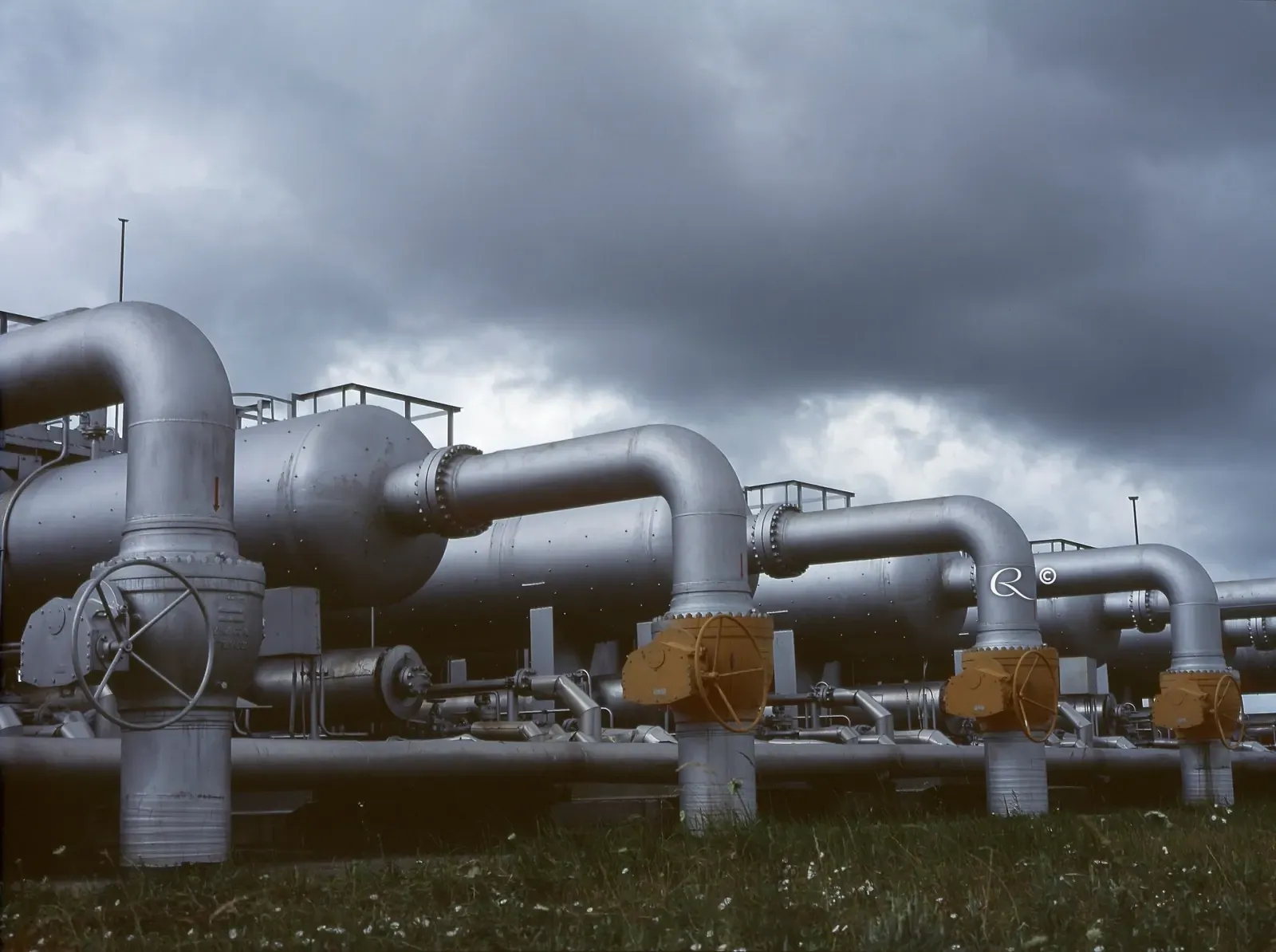
Chemical Cleaning of Pipelines
Scale, deposits and fouling dissolved out of process pipelines by circulating the right chemical.
Pipeline Pickling & Passivation
Acid pickling to remove weld oxide and scale, then passivation to restore corrosion resistance, on installed piping.
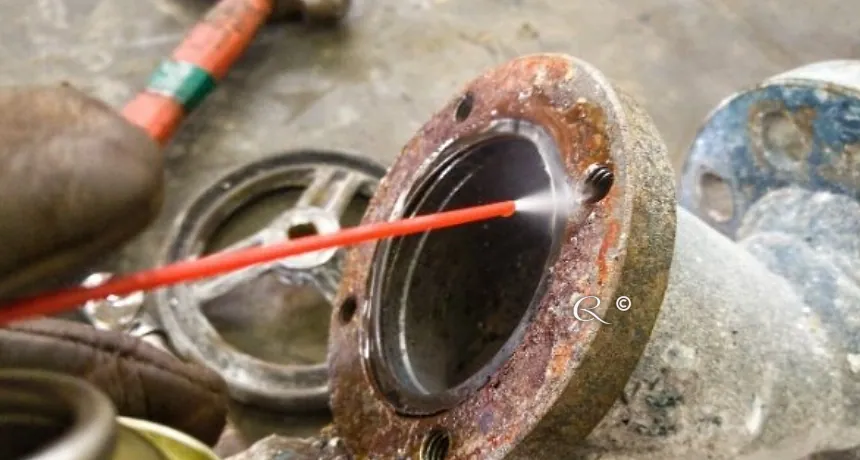
Degreasing of Pipelines
Oil, grease and cutting fluid cleaned out of new and installed pipework before pickling, flushing or start-up; cleaning for oxygen service is a separate service.
Pipeline Flushing
Scope review for new or serviced hydraulic and lube oil systems.
Heat Exchanger Servicing & Retrofits
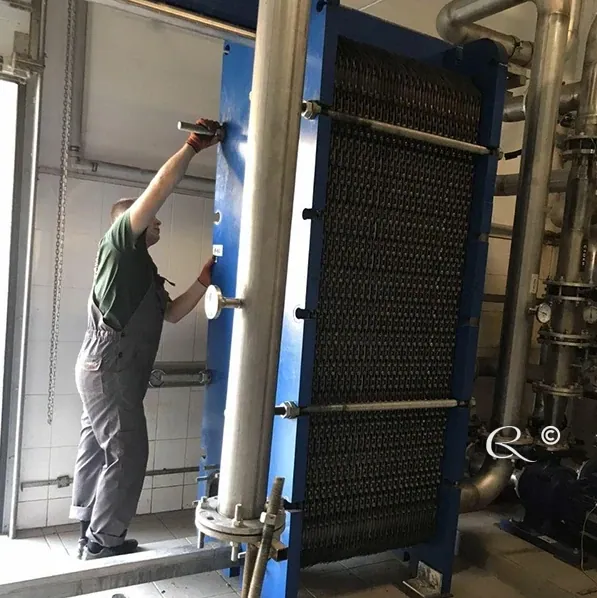
Chemical and mechanical cleaning of shell-and-tube, plate, air-cooled and spiral exchangers, back towards design duty.
Furnace Oil Filtration
Take water and sediment out of furnace oil before it reaches the burner.
Ask About Boiler Chemical Cleaning
Tell us about the job. “Not sure” is a fine answer; we will ask follow-up questions.
Request received. Your reference is {ref}. We reply during office hours, Monday to Saturday, 9.00 am to 5.30 pm. For a breakdown or a plant shutdown, call +91 99400 49505 at any time. Nothing is booked or ordered until we confirm scope, availability and terms in writing.Prefer to talk? Call +91 99400 49505 or WhatsApp us.

Plan Boiler Cleaning Into Your Shutdown
Tell us the boiler, what you have seen and when it can stop. We look at what the cleaning would need and how it could fit around the stop with your maintenance team.
Request an Assessment
Talk It Over Before You Decide
Call or WhatsApp an engineer, or send photos of the boiler’s nameplate and of any deposit you have found. We reply with what we would need to know next.
WhatsApp +91 99400 49505