
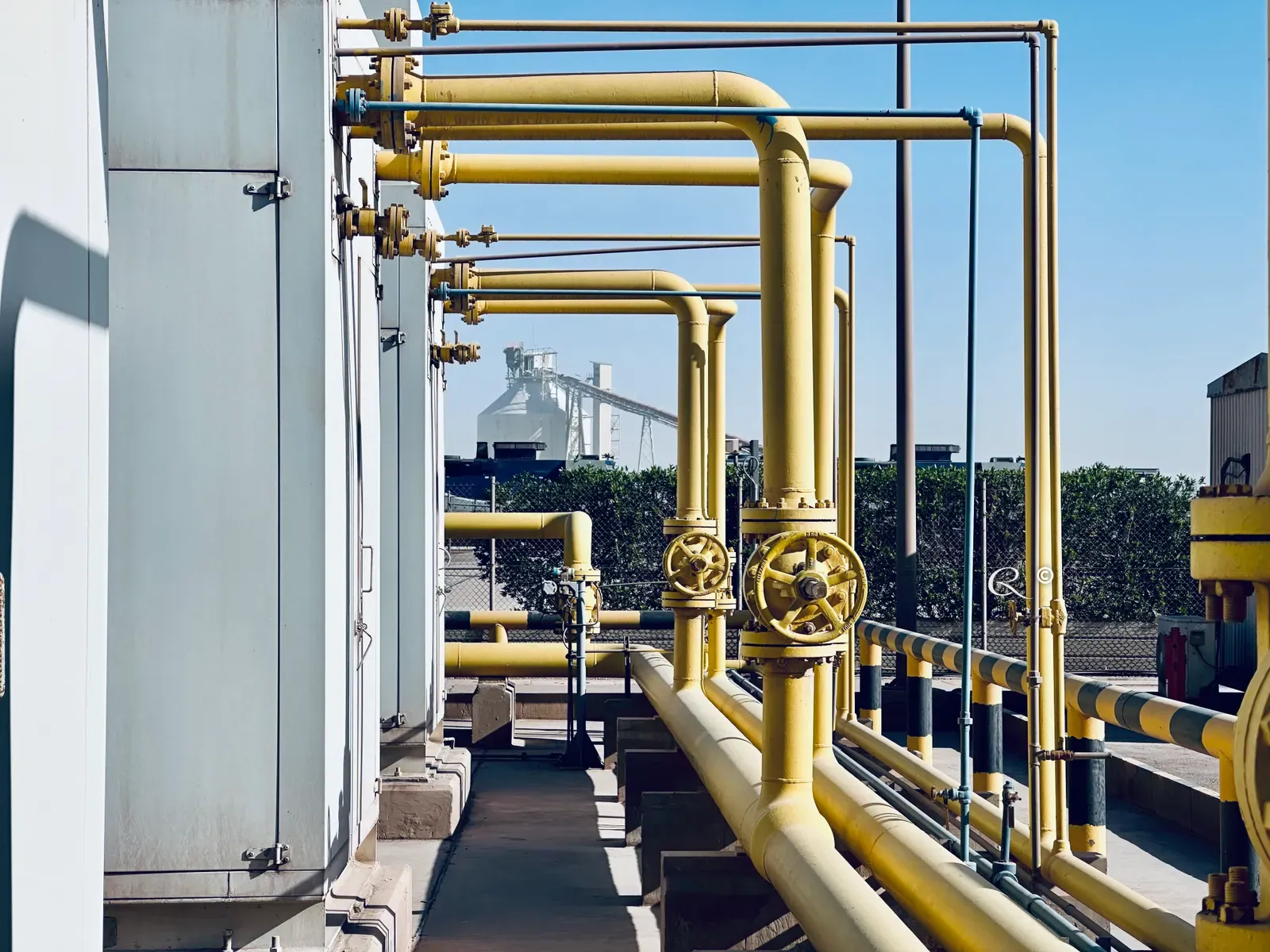
Gas Line Flushing Services and Oxygen Tank Cleaning
Ram Engineering flushes, dries and pressure tests gas lines, and cleans oxygen tanks, vessels and lines free of oil and grease as a separate scope.
Gas Line Flushing and Oxygen Tank Cleaning: What We Take On
A gas line can collect moisture, sediment and carbon particles from construction, from work on it and in service. They can foul regulators and burner nozzles and corrode the pipe. Flushing carries them out, drying takes out the moisture, and a leak test proves the joints before the line goes back into service.
Oxygen asks for more. Oil, grease and loose particles on a surface that meets oxygen are a fire risk, so every such surface is cleaned until none is left and is then protected until it is installed. That takes a method, checks and records, not only a wash.
We work under your permit, with the line or tank isolated. The limits and the acceptance come from your specification, and we confirm whether we can meet them before we quote.
Two Scopes: Gas Line Flushing, and Cleaning for Oxygen Service
Two separate scopes share this page, and each is quoted on its own. Gas line flushing carries moisture, sediment and carbon particles out of fuel gas and nitrogen lines; for an LPG line the flushing medium and the method are set in the offer after a survey. Cleaning for oxygen service takes oil and grease off every surface that will meet oxygen, with its own method, checks and records. A flushed and pressure tested LPG line does not establish competence in cleaning for oxygen service: our oxygen work is on quotations so far, and its offer says what is proposed and how it is checked.
Gas Line Flushing and Nitrogen Purging
We flush gas pipelines to remove moisture, sediment and carbon particles, and pressure test them before they go back into service.
Nitrogen can be used to purge a line dry, to push old oil out of it, or to pressure test it.
We have worked on LPG and liquid nitrogen lines; for other gases, tell us the gas and the line.
Oxygen Tank Cleaning
We clean oxygen tanks and vessels at your site, so that no oil, grease or loose particles stay on the surfaces that meet oxygen.
Our written method for oxygen tanks: parts that cannot be cleaned are removed, the tank is degreased, pickled and passivated where the metal needs it, rinsed, dried with oil-free nitrogen, checked under white and UV light with a wipe test, then capped and sealed.
For oxygen pipelines, see the method below.
How an Oxygen or Nitrogen Pipeline Is Cleaned: The Method We Quoted
This is the method in our quotation of October 2026 for two lines of 300 m, in carbon steel or stainless steel up to 2 inches nominal bore. It is a quoted method, not a completed job, and the figures in it are from that quotation, not permission to enter a line or to work on it. For another gas, or for an LPG line, the offer sets the method after a survey.
Isolate and Depressurise
The line is isolated at source and locked out under your permit, depressurised slowly through a vent to a safe open place and purged.
Keep Three Atmospheres Apart
The workplace and entry atmosphere at an opening, the residual process gas left in the line, and the purity needed when the line is recommissioned each have their own limits, from your specification and the Indian and site requirements that apply. An approved gas-testing, ventilation, isolation and discharge plan covers oxygen, flammable gas and any toxic gas. The oxygen limits are two-sided, because too little suffocates and too much makes fire easier. A line purged with nitrogen can be deliberately short of oxygen and is never declared safe to enter.
Section and Strip
The line is divided into loops of about 40 to 60 m at flanges or unions. Regulators, gauges, soft-seated valves and flexible hoses come out, and are cleaned apart or replaced.
Flush and Degrease
Each loop is flushed with DM (demineralised) water, then a hot alkaline cleaner, non-flammable and free of solvents, is circulated at 1 m/s or more with the flow reversed half-way. No hydrocarbon or chlorinated solvent touches an oxygen line. The loop is rinsed until the outlet pH is 6.5 to 7.5 and its conductivity is within 10 % of the water going in.
Dry
The loop is blown out and purged with dry, oil-free nitrogen until the outlet dew point reaches the target agreed in the offer. A dew point means little without its pressure basis, so the offer states the pressure at which it is measured; the October 2026 quotation named -40 °C or lower. Nitrogen is discharged to open air only.
Inspect
Every open end is checked under white light and ultraviolet light, and by a white wipe and a nitrogen blow onto white cloth, for visible oil, stains, particles and moisture. These are screening checks, and ultraviolet light in particular cannot prove the absence of oil, since not every contaminant fluoresces.
Close and Test
Openings are capped at once. Components go back with gaskets and lubricants made for oxygen service, normally yours to supply, and the line is leak tested with nitrogen, under an engineered test plan, at the pressure your specification sets, using leak-detection fluid.
Checks Before a Line or Tank Is Closed Up
The limits are those of your specification. The passes below are those of the methods we quoted in 2026: examples from quotations, not standard limits for oxygen service.
| Check | What it shows | Pass in the method we quoted |
|---|---|---|
| White light, at every open end | Visible oil, grease, rust flakes, scale or particles | None seen |
| Ultraviolet light, long wave | Traces of oil that fluoresce. A screen only: a contaminant that does not fluoresce goes unseen, so no glow cannot show that the surface is oil-free | No glow at the open ends, read with the other checks |
| White lint-free wipe | Stains and particles on the cloth | No stain, no particles |
| Nitrogen blown onto white cloth for one minute | Particles or moisture still in the line | None on the cloth |
| Final rinse water | Cleaner left in the line | pH 6.5 to 7.5; conductivity within 10 % of the water going in |
| Dew point at the outlet | Moisture left after drying | The target in the offer, with the pressure at which it is measured; the quotation named -40 °C or lower |
| Oil left on the surface, by solvent extraction from a sample | How much oil remains, in milligrams per square metre | The limit in your specification. One quotation used 125 mg per square metre of vessel shell as its criterion; that is a historical quotation criterion, not a universal limit for oxygen service |
Large Oxygen Vessels: Spray-Head Circulation
Filling a 300 m³ vessel with each solution would take about 25 times more chemical and water and leave a very large volume of effluent. In our quotation of October 2026 for four such vessels at a steel plant, about 12 m³ of solution is made up in an external tank and pumped through spray heads that wet the whole inner surface. It drains to the bottom outlet and returns through a debris strainer, and the effluent is about 100 to 150 m³ for each vessel.
Each stage has a checked end point: water flush, alkaline degreasing, rinse, pickling where carbon steel has rust or scale, passivation and a final rinse with DM water. The vessel is then dried with dry, oil-free air or nitrogen, never with oxygen, inspected and sealed until it is installed. That quotation planned two teams working side by side for 15 days.
Case study
An LPG Pipeline Flushed and Pressure Tested at an Aluminium Plant
The situation. An LPG pipeline at an aluminium plant in Andhra Pradesh had to be flushed of moisture, sediment and carbon particles and then pressure tested. Such deposits can come from building the line, from work on it or from years of use, and they can foul regulators and burner nozzles.
What we did. We quoted it in February 2026 as one job: flushing the line, then pressure testing it. For an LPG line the flushing medium and the method are fixed after a survey of the line, and the work is done under the plant’s permit with the line isolated, as all our gas line work is.
The result. The job was ordered at the end of March 2026 and invoiced in April. Our invoice records the line as flushed and pressure tested. It does not state the length, the test pressure or the flushing medium, so none is given here, and the plant’s test figures stay with the plant.
Where: Andhra Pradesh, 2026.
Records and Handover
In the methods we quoted:
- Before work: the method, the safety procedure and the split of scope, for your approval.
- Pipelines: a line sketch with the loops numbered, a circulation log every 30 minutes (temperature, flow, pressure and time), the final rinse pH and conductivity and the dew point of each loop, the inspection results and a job report.
- Tanks and vessels: a cleaning log, the test results, photographs and a completion record for each vessel.
Gas Line and Oxygen Work on Our Records
From our invoices: an LPG pipeline flushed in 2026 at an aluminium plant, to remove moisture, sediment and carbon particles, and pressure tested. From our quotations: in October 2026, the chemical cleaning of an oxygen pipeline and a nitrogen pipeline of 300 m each at a plant in Hosur, planned for about nine working days on site, and of four 300 m³ oxygen buffer vessels at a steel plant in Odisha; and from September 2026 the cleaning of smaller oxygen tanks and valve racks, from a 30-litre tank upwards. A quotation is not a completed job.
Safety Around Oxygen, Nitrogen and Fuel Gas
- Oxygen makes fire easier. The work uses oil-free tools kept for it and clean gloves, and no oily clothing, hand cream or greasy rags; a glove that touches oil is thrown away.
- Nitrogen can suffocate. It is discharged to open air, never into a room, and portable oxygen monitors with alarms are worn at the work point and near discharge points. A line or vessel purged with nitrogen is treated as unfit to enter until a competent person has cleared it under the approved plan; one reading never declares it safe.
- Entering a tank is avoided where the cleaning can be done from outside. Where entry cannot be avoided it is under a confined-space permit, with positive isolation from every gas line, ventilation, gas monitoring that covers oxygen, flammable and toxic gases, a trained attendant, communication and a practicable rescue arrangement. Breathing apparatus is used as the entry plan requires, and nobody is inside while chemical circulates. Pickling carbon steel gives off hydrogen, so no naked flame is allowed near the vents.
- Fuel gas lines are isolated, depressurised and gas tested before any joint is opened, with no ignition source near. LPG vapour is heavier than air and collects in low places.
Where It Is Used
- Aluminium plants
- Plants with LPG or nitrogen lines
- Sites with oxygen tanks and vessels
- Steel plants and other sites with oxygen buffer vessels or oxygen pipelines
What Your Site Provides
Our past offers put these in the customer’s scope; your offer confirms them.
- Permits and gate passes, including a confined-space permit for tank entry.
- Isolation of the gas supply at source, with lock-out.
- Oil-free nitrogen for purging and drying, where the offer puts it in your scope.
- Power at the work location, and DM water or plant water.
- Gaskets, seals and lubricants made for oxygen service, for refitting the line.
- Treatment of the neutralised wash water through your effluent plant, or an agreed route.
- An access platform or scaffold where lines or vessel openings are high.
Questions Buyers Ask
Why must oxygen tanks be free of oil and grease?
Oil and grease can ignite in oxygen, even in small traces, so every surface that meets oxygen is cleaned free of them before the tank goes into service.
Why nitrogen and not compressed air for purging?
Nitrogen is dry and inert, so it removes moisture without bringing in oxygen or oil. Compressed air can carry both. Nitrogen is used only in ventilated areas, because it can suffocate.
Can you clean to our cleanliness specification?
Tell us the specification or standard your project uses when you enquire. We confirm whether we can meet it before we quote.
Which gases do you work on?
An LPG line flushed and pressure tested, and a liquid nitrogen line installed and commissioned, are on our invoices; flushing of nitrogen lines and cleaning for oxygen service are on our quotations. Fuel gas flushing and cleaning for oxygen service are separate scopes, and the first does not establish the second. For any other gas, tell us the gas and the line, and we say whether we can take it on.
Do you pressure test the line?
Yes. The LPG line we flushed was also pressure tested. The test pressure, the medium (nitrogen can be used) and the acceptance limit come from your specification, and a pneumatic test stores energy, so it follows an engineered test plan.
Can you clean a tank that is already installed?
Yes. The vessels in our October 2026 quotation were installed. We clean them in place, once they are isolated from every gas line.
How long does a job take?
It depends on the length and size of the line, or the size and number of tanks, and on the cleaning needed. One of our quotations planned about nine working days on site for two lines of 300 m, and another planned two teams for 15 days on four large vessels. The written offer gives the days. We start the work within 7 working days of receiving your purchase order and advance.
What is the price?
Prices depend on the gas, the length and size of the line or the size and number of tanks, the access and the limit to be met, so we quote for each enquiry. For jobs outside Chennai, travel and stay for our team are included in the quote.
What should I send for a quote?
The gas or the tank, the material, size and length, the cleanliness limit in your specification, drawings and your dates. Send photos on WhatsApp to +91 99400 49505 or by email to [email protected].
Where We Work
Tamil Nadu
Telangana
Kerala
Andhra Pradesh
Odisha
Delhi NCR
Rajasthan
Jharkhand
Uttar Pradesh
West Bengal
Punjab
Chhattisgarh
Related Services
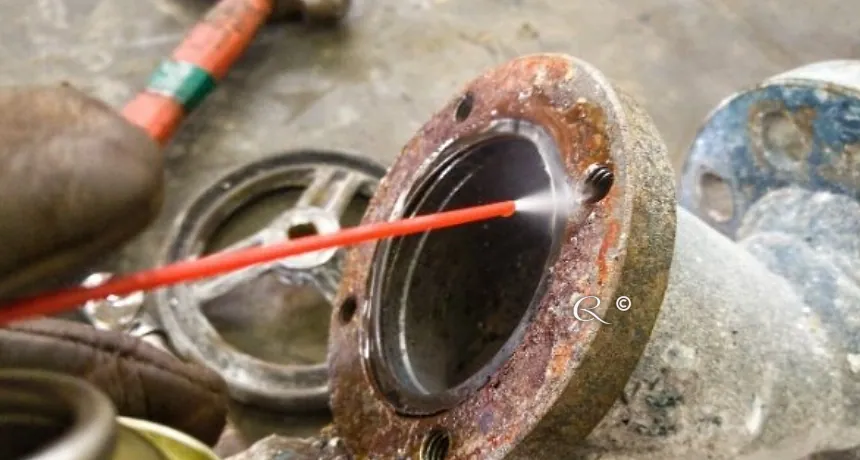
Degreasing of Pipelines
Oil, grease and cutting fluid cleaned out of new and installed pipework before pickling, flushing or start-up; cleaning for oxygen service is a separate service.
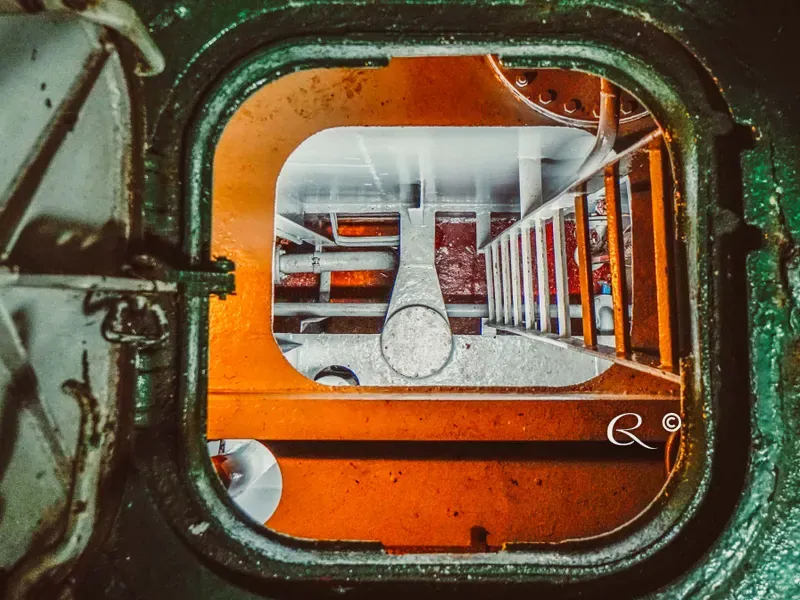
Tank Pickling, Passivation & Degreasing
Degreasing, pickling and passivation of stainless and carbon steel tanks and vessels.
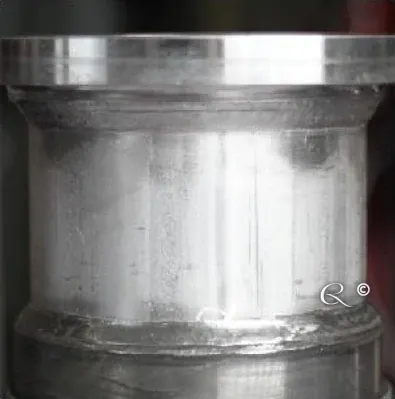
Pipeline Pickling & Passivation
Weld oxide and scale taken off installed stainless steel pipework.
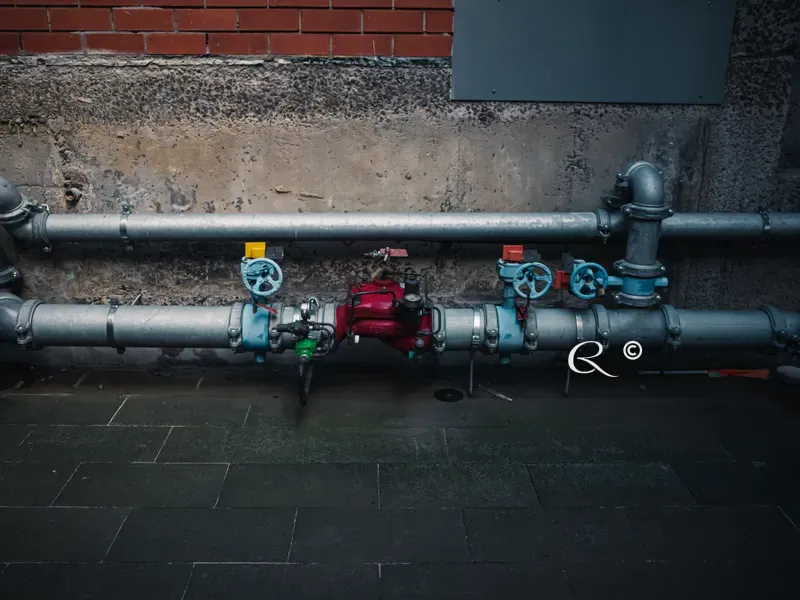
Pipeline Flushing
Hydraulic and lube oil pipework flushed to an agreed class before start-up.
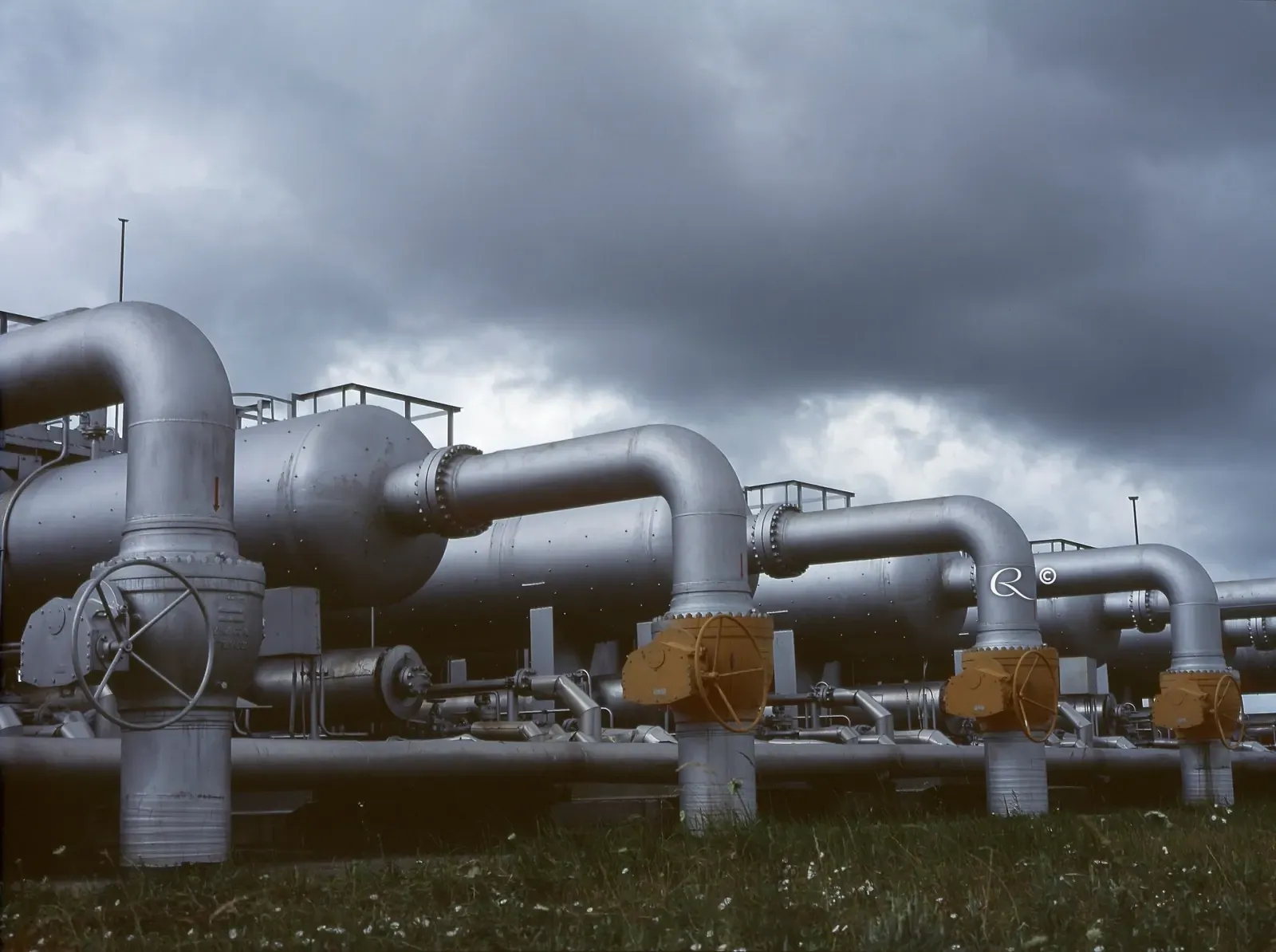
Chemical Cleaning of Pipelines
Scale and deposits dissolved out of lines that have been in service.
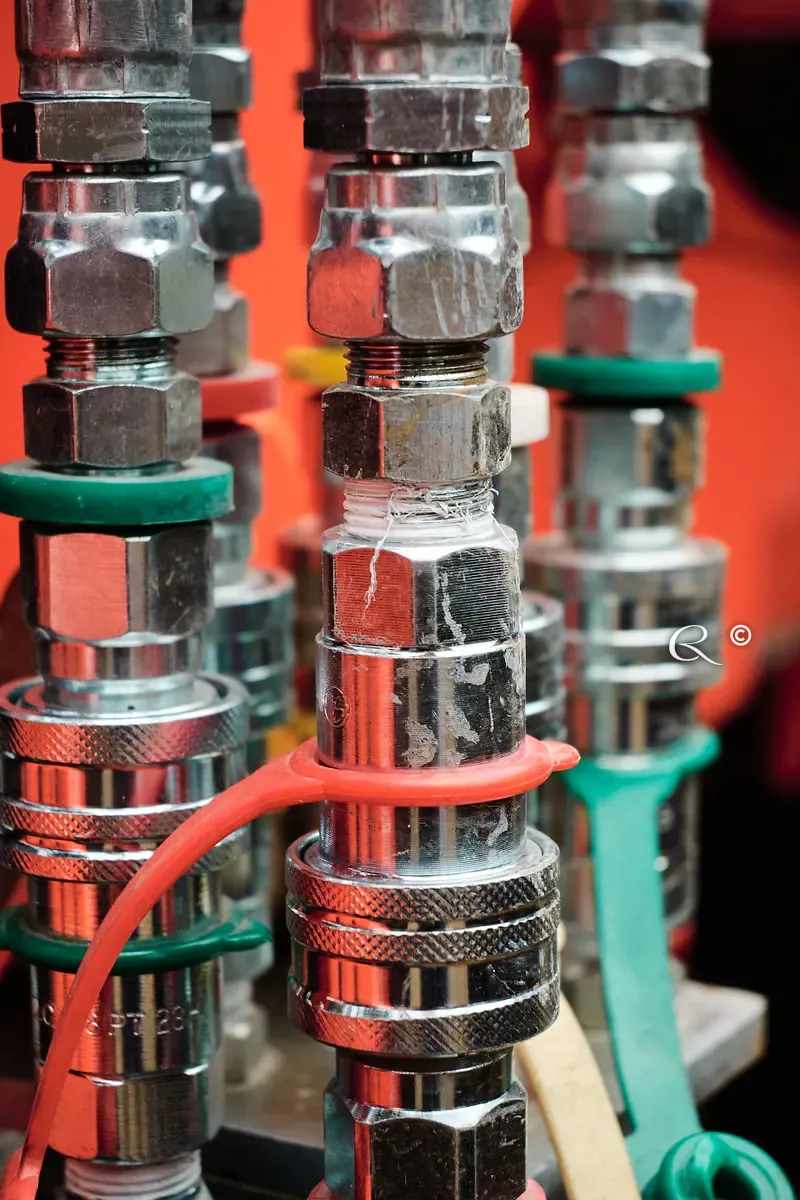
Commissioning
Cleaning, testing and start-up of pipelines and machines with your team.
Ask About Gas Line Flushing & Oxygen Tank Cleaning
Tell us about the job. “Not sure” is a fine answer; we will ask follow-up questions.
Request received. Your reference is {ref}. We reply during office hours, Monday to Saturday, 9.00 am to 5.30 pm. For a breakdown or a plant shutdown, call +91 99400 49505 at any time. Nothing is booked or ordered until we confirm scope, availability and terms in writing.Prefer to talk? Call +91 99400 49505 or WhatsApp us.

Schedule a Plant Walkthrough
Our team can come to your site to see the line or the tank, check how it can be isolated and reached, and tell you what the work needs.
Request an Assessment
Get Expert Advice for Your Gas Lines and Oxygen Tanks
Call or WhatsApp an engineer, or send the gas or the tank, the material and size, and the dates. We reply with a method and anything else we need from you.
WhatsApp +91 99400 49505